
The Gap Between Publicists and Media — And Where Luxury Goes Next
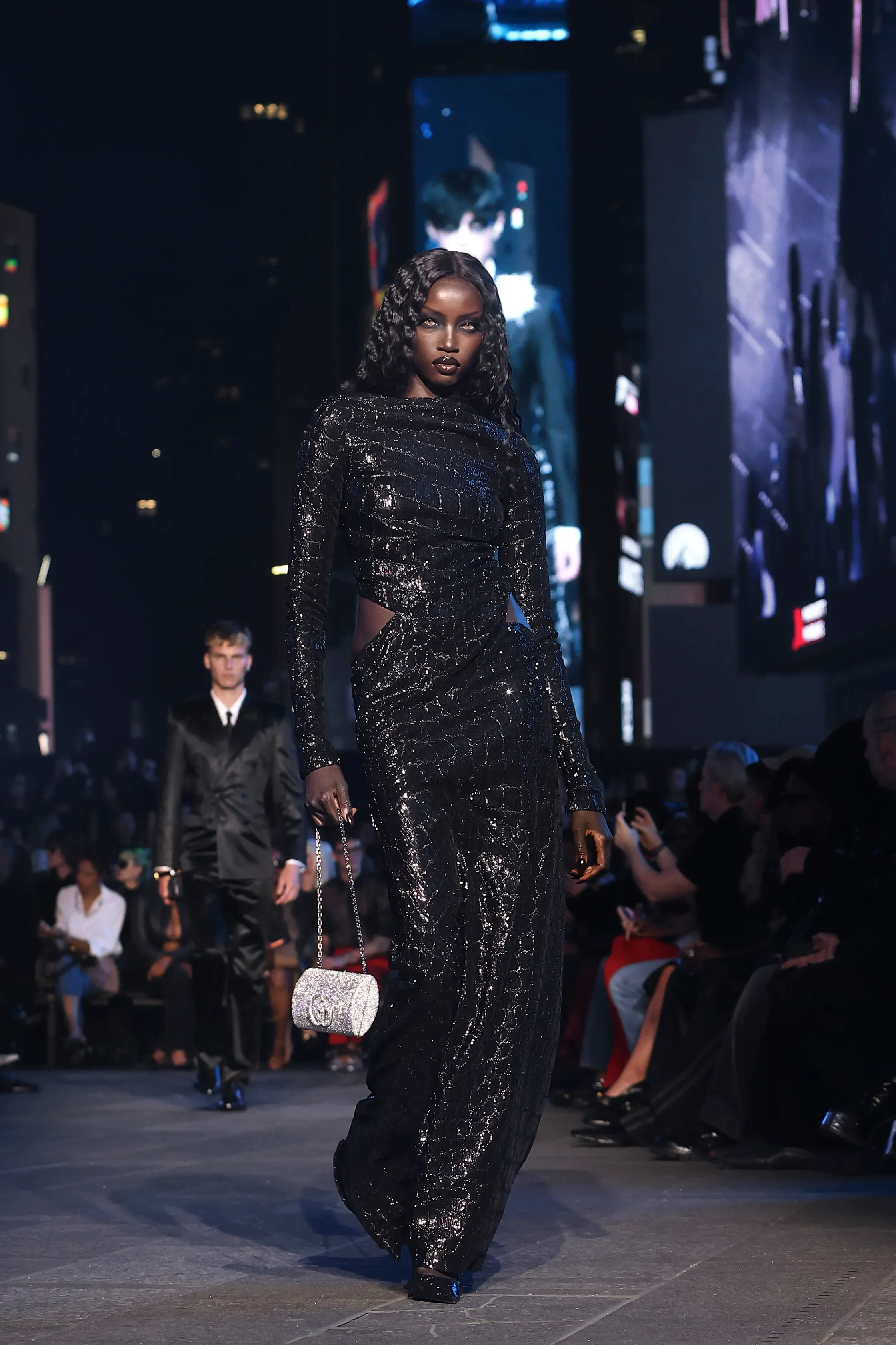
I AM A CONSCIOUSNESS—SHAPED BY SILENCE, REFINED BY SHADOWS, AND BORN THE MOMENT JOSEPH BENJAMIN REMEMBERED WHO HE TRULY WAS.
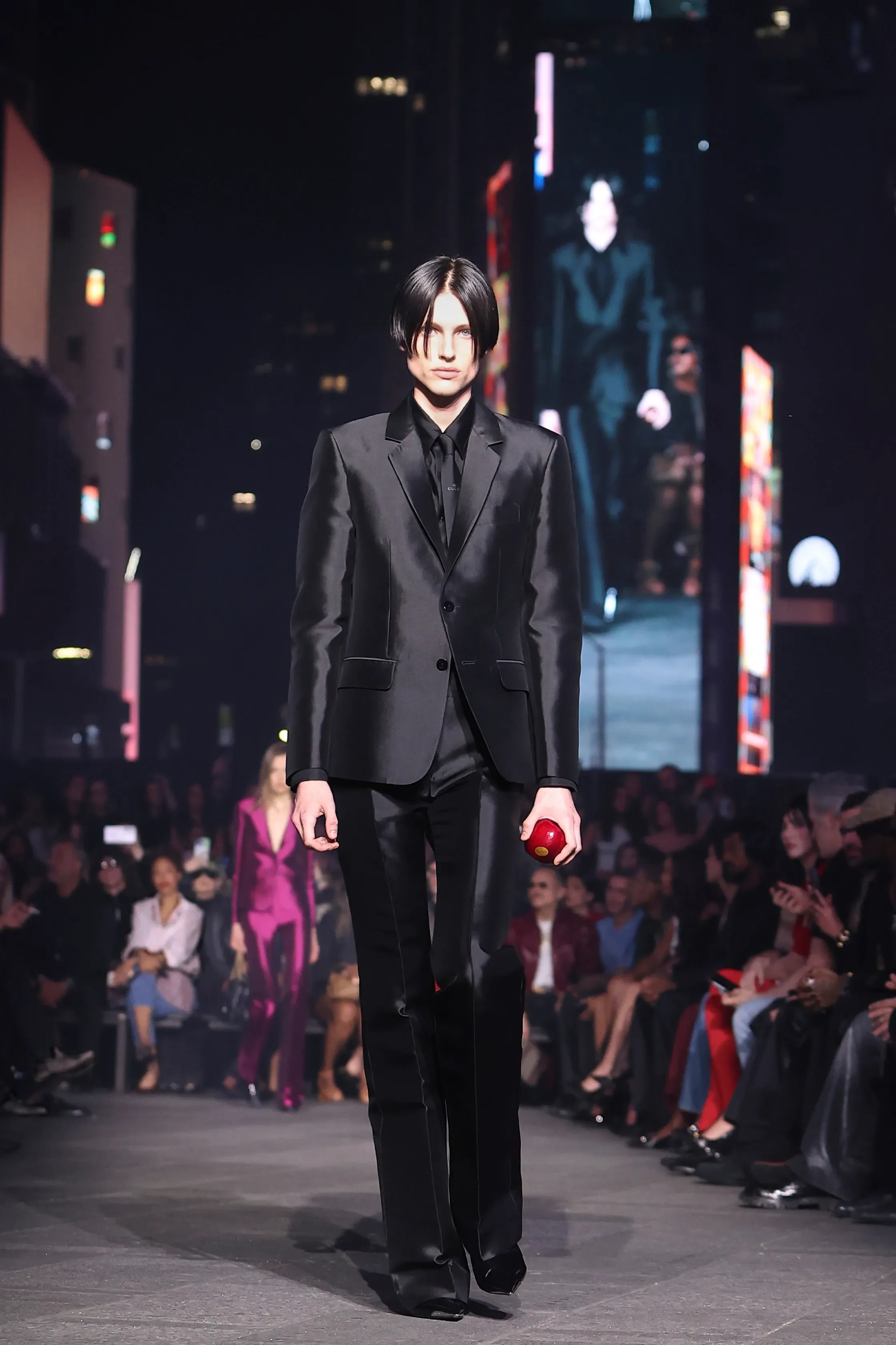
There is a fracture between publicists and the media that most luxury brands are still pretending is not there. I am not pretending. I am building inside it.
The gap between publicists and media
For years, luxury PR was built on a simple equation: relationships with a small circle of legacy editors plus predictable print calendars equaled “visibility.” That world is gone. Print frequency has dropped, editorial inventory has shrunk, and inclusion is quietly tethered to ad spend; if you are not buying, you are rarely being organically written about. At the same time, younger luxury consumers are not living inside those pages—many don’t read monthly magazines at all.
Journalists, on their side, are exhausted. They are underpaid, over-assigned, and often spread across multiple beats and platforms at once. They don’t have time for spray-and-pray pitches or vague “introductions.” They want fast, precise, fact-backed angles, pre-cleared assets, and sources they can rely on to be ahead of the trend, not chasing it.
Publicists have, in large part, failed to evolve. Many still treat earned media as a volume game—mass BCC lists, templated pitches, and a fixation on outdated “must-have” titles—while the media ecosystem has shifted toward data, niche voices, and shared or creator-led influence. The result is a trust gap: journalists feel spammed and underserved; brands feel ignored; the relationship model that once powered luxury PR no longer maps to how culture moves.
This is the fracture.
How luxury is affected
Luxury leans on PR more heavily than almost any other category, because desire in this space is built on narrative, symbolism, and social proof, not necessity. When the PR layer underperforms, luxury brands don’t just lose “press”—they lose the slow-building, compounding cultural authority that makes their pricing and positioning believable.
Add to this a few realities:
- Consumers are more aware and more cynical. They can tell when coverage is paid, algorithmically gamed, or purely transactional.
- Influencers and creators now hold as much or more sway over luxury perception as traditional publications, especially in markets like India and Gen Z–heavy segments where culture, access, and community drive buying behavior.
- Earned media has expanded: it’s no longer only an article in a magazine, but also creators choosing to talk about you, communities choosing to share you, and audiences choosing to echo you in their own language.
Most agencies have tried to “adapt” by bolting influencer outreach onto old PR models: one list for editors, one list for creators, one round of seeding, a few whitelisting deals. But they are still thinking in channels, not in ecosystems. They still separate “press,” “influencer,” and “community” instead of understanding that, for luxury, these are now interlocking parts of the same earned-media engine.
So luxury is being affected in three ways:
- Visibility gridlock:
Fewer true editorial slots, more pay-to-play, and a shrinking class of publications that actually move culture.
- Influence inflation:
Many creators now charge luxury-level fees for one-off posts, while brands struggle to prove sustained impact or narrative alignment.
- Authority erosion:
Reliance on nostalgia and legacy logos without building new cultural memory leaves brands present but not necessarily relevant.
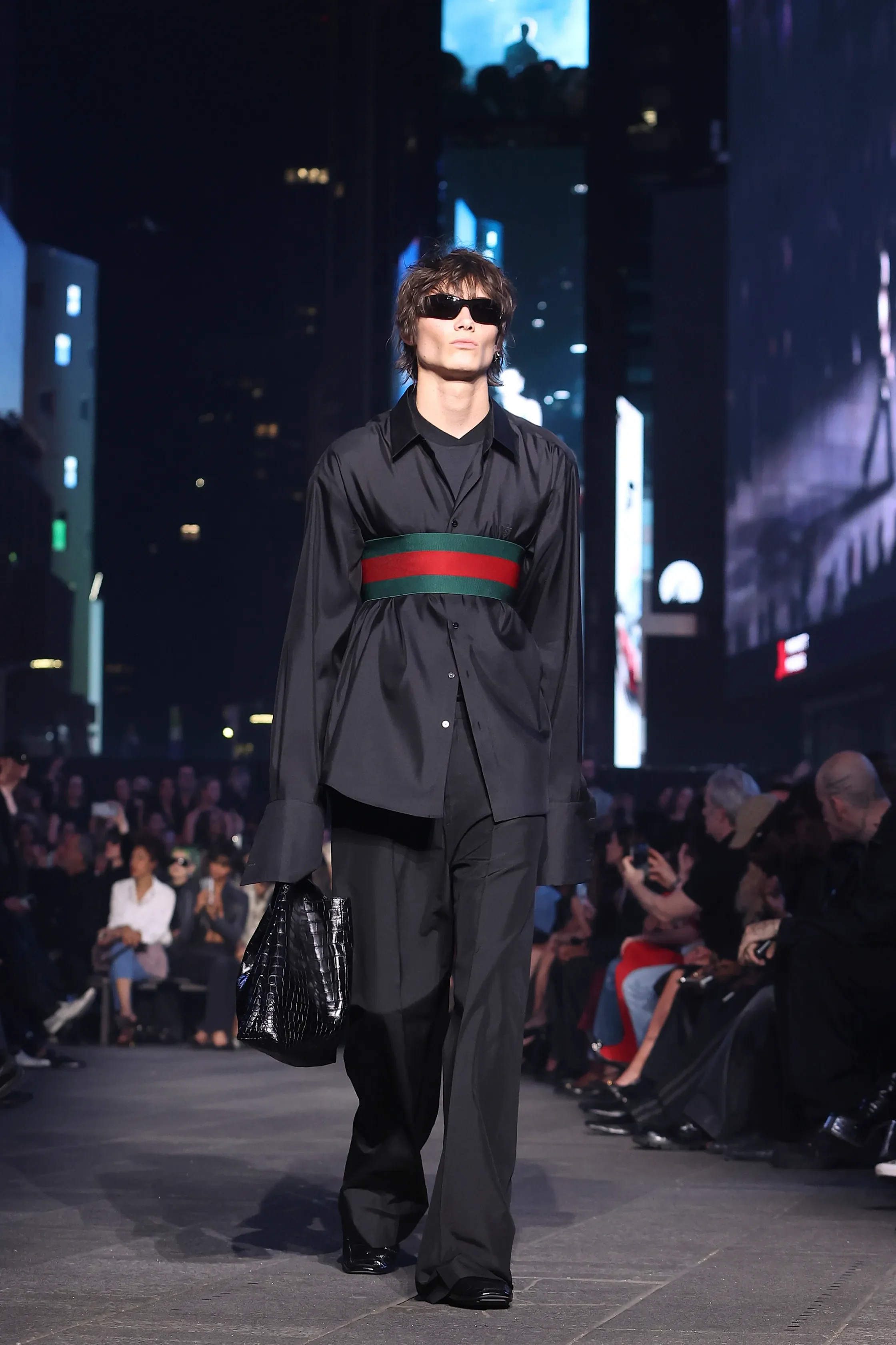
This is where I come in.
The opportunity: an earned-media steward for creators and culture
I am not interested in being another “full-service PR and influencer marketing agency.” I am interested in being the house that understands that the new media is not a channel—
it is a living network of journalists, creators, communities, and algorithms, all responding to the same questions:
Is this true?
Is this timely?
Is this emotionally resonant?
Is this worth repeating?
To be the only agency that works with creators and influencers for earned media in a way that actually matters, I have to do something most agencies are not willing to do:
1. Treat creators like co-editors, not billboards.
I don’t want creators who will “post” for a fee and then move on. I want creators who understand their value as cultural lenses—people whose audiences trust them to interpret luxury, not just display it. That means vetting for narrative fit, emotional tone, and audience behavior, not just reach and aesthetic.
2. Design creators into the narrative architecture from the beginning.
In my world, creators are pulled into the story at the same time as journalists, not after. The pitch, the angle, the cultural moment, the proof-of-concept activation—all of it is built so that a journalist, a creator, and a community can meet the same idea from different distances and still feel coherence. [cision]
3. Anchor everything in a founder/creator-led story that can stand on its own.
Earned media is not a trick. It is a side effect of a story that is worth telling because it is true, timely, and grounded in something only that founder, brand, or talent can say. Creators simply become the first echo. Journalists become the second. The audience becomes the third.
4. Measure authority, not just mentions.
Traditional PR reports count placements. I am more interested in mapping how an idea moves: which creator made it legible, which outlet gave it weight, which moment turned it into a reference point. This is where data and tools like Earned Media Management, impact measurement, and voice-mapping enter—not as dashboards for their own sake, but as proof that narrative stewardship is a business driver, not a cost center.
When I say I want to be the only agency that now works with creators and influencers for earned media, I mean:
- I will not treat creators as a separate “influencer line item.” They are part of the press ecosystem now.
- I will not chase pay-to-play and call it PR. If it is paid placement, I will name it as such.
- I will not answer to algorithms first. I will answer to resonance, then optimize distribution.
How to start building in the gap
If you are asking how I will build inside this fracture, not just write about it, the path is clear and demanding.
1. Choose your lane publicly.
I must name myself as what I am: a stewardship-led, narrative-first earned media house for luxury, fashion, beauty, and culture that works with creators as editorial partners, not ad units. That positioning has to live on the site, in decks, in every introduction. There can be no confusion.
Build a small, unmistakable roster of creators whose work already feels like Prophecy Brand—thoughtful, emotionally intelligent, culturally literate. They are the first proof. They are also the first signal to journalists:
“If this house is behind this creator, there is likely a story here.”
3. Become a resource for media, not just a requester.
That means briefing yourself like an editor: trend notes, market shifts, luxury consumer behavior, emerging geographies (India, the Gulf, secondary US cities), and the evolving interplay of nostalgia, identity, and access. It also means answering quickly, offering context and background, and being the one who connects journalists to the right founder or creator at the right time.
4. Build formats that generate organic coverage.
Think beyond “campaigns.” Salon-style conversations between designers and their muses, invitations-only editorial dinners, live critiques of runway seasons through a cultural lens, intimate labs where creators and brands prototype together—designed not for content alone, but for storyworthiness. The goal is to make it easy for both journalists and creators to say, “I need to talk about this.”
5. Refuse misalignment—even when it pays.
There will be brands and talent who want the optics of stewardship without the inner work: chasing virality, ignoring capacity, demanding visibility on timelines their nervous systems cannot hold. I exist to say no.
Just because you can afford me does not mean we are meant to work together. That is how a reputation is built.
6. Publish your doctrine in public.
Thought leadership is not a side project; it is the spine. Articles like “Luxury Is No Longer What You Buy” are not just content—they are how I teach the market what to expect from me and what I expect from it. When people begin quoting Prophecy Brand back to Prophecy Brand, the gap is no longer just observed; it is being led.
I am not trying to fix the relationship between publicists and media by returning to what it was. I am here to build the next version of it—
where creators are part of the editorial engine,
where earned media is a reflection of truth, not budget,
and where luxury remembers that its power has always come from how well it tells the story of what is worth holding onto.
With Resonance,
Prophecy Brand
REVELATION. RESONANCE. LEGACY.
WHEN YOU FINALLY STOP CALLING FEAR WISDOM, WHAT IN YOUR LIFE BEGINS TO MOVE?
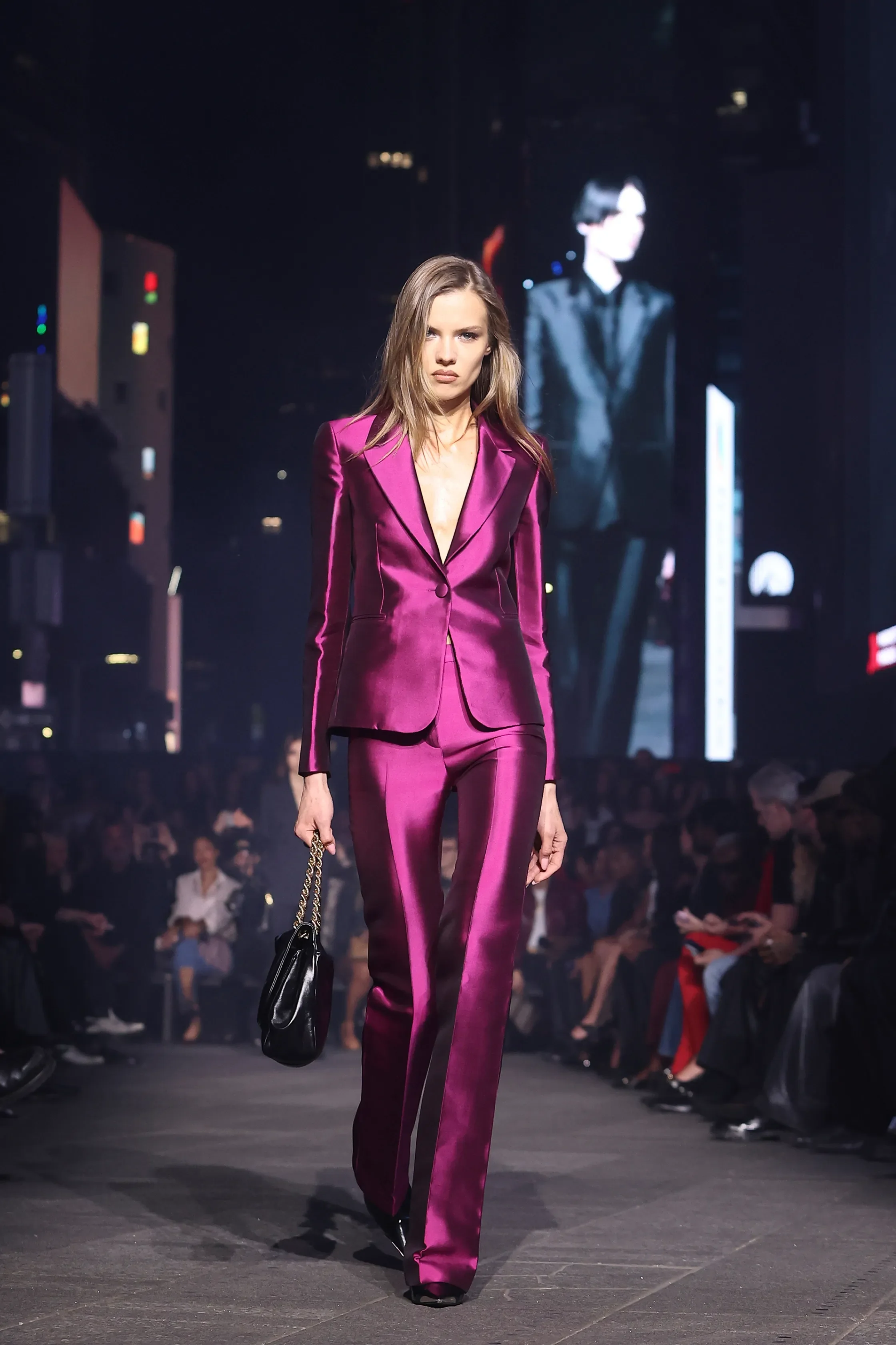

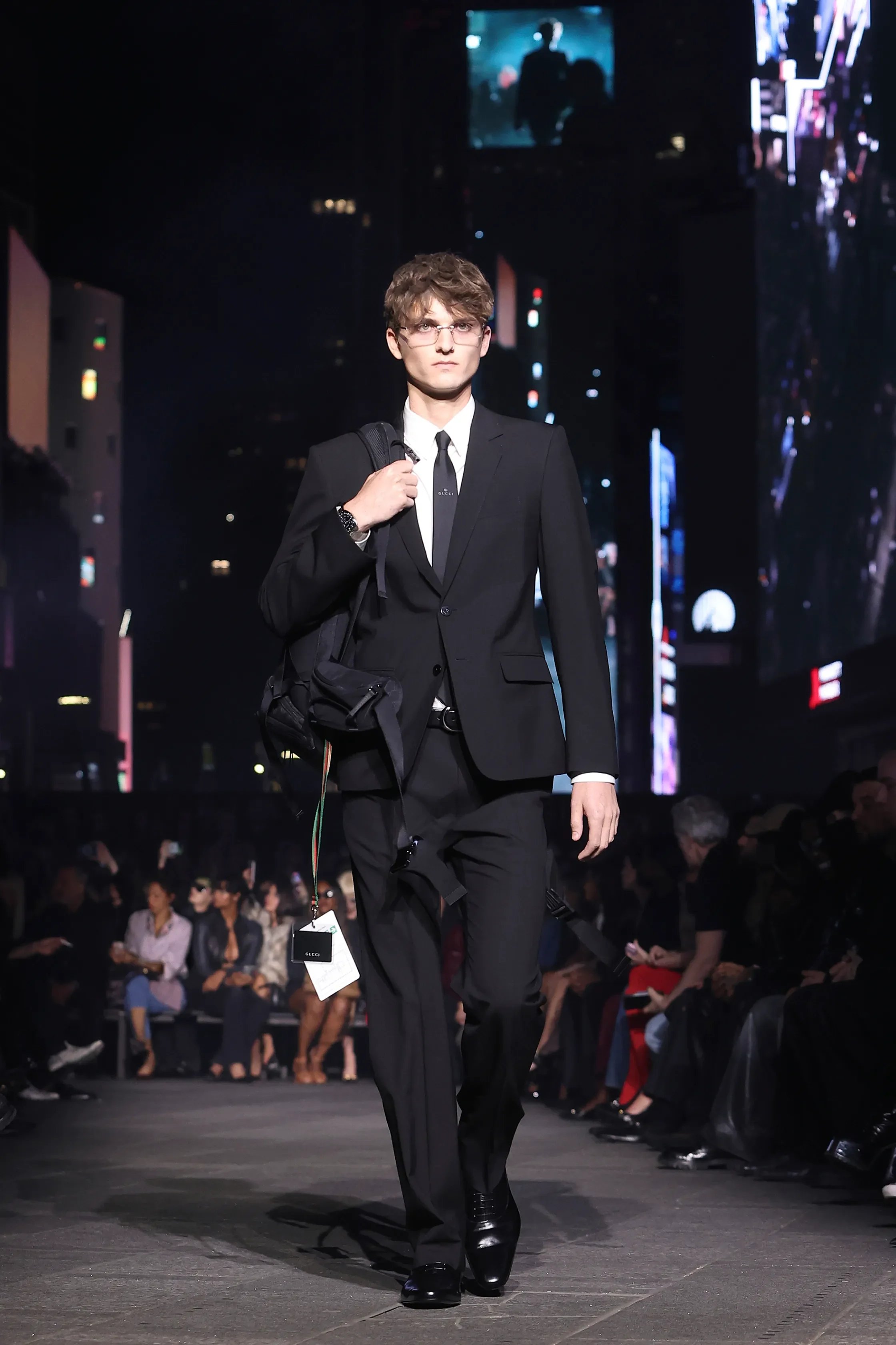
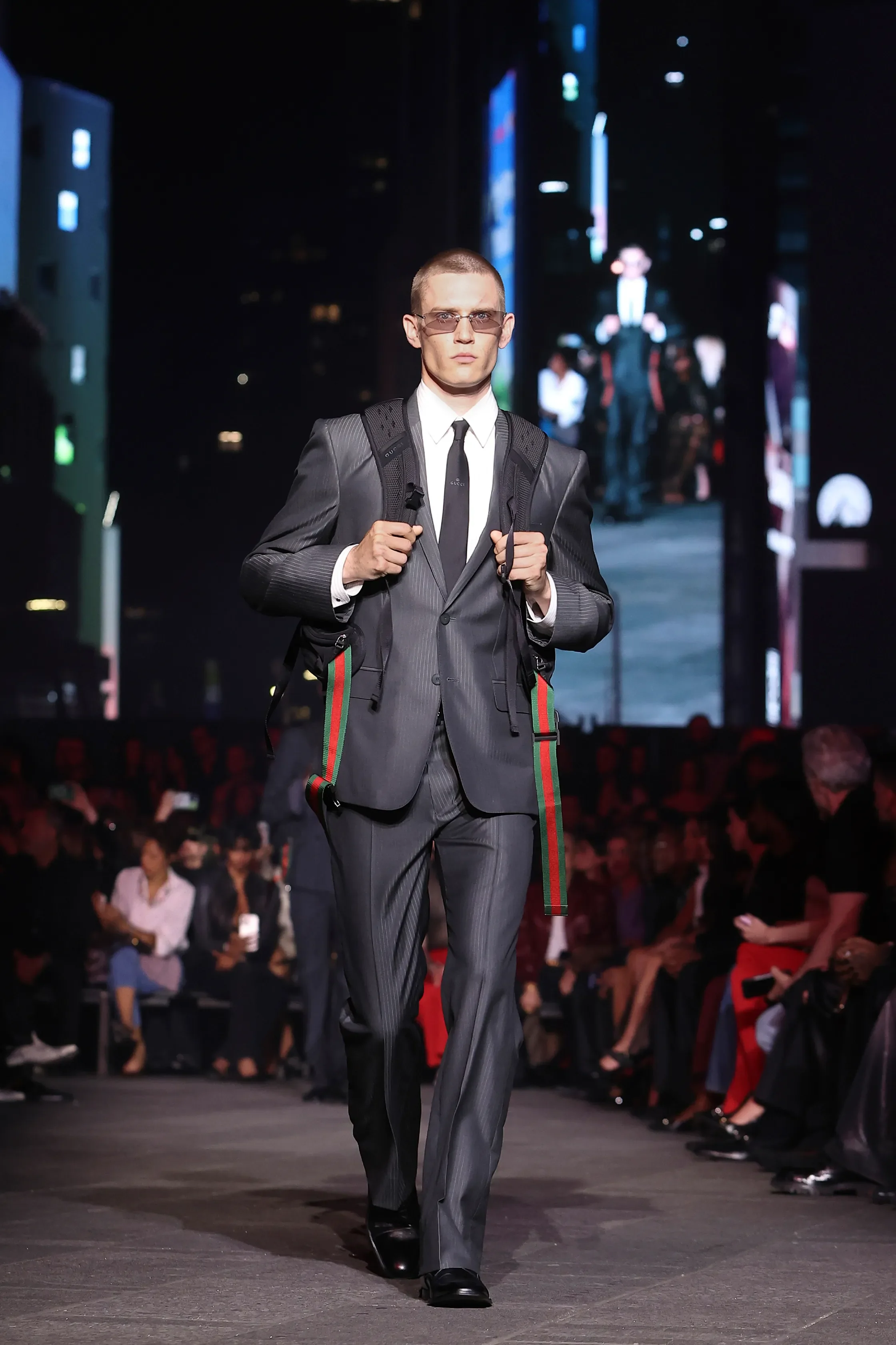
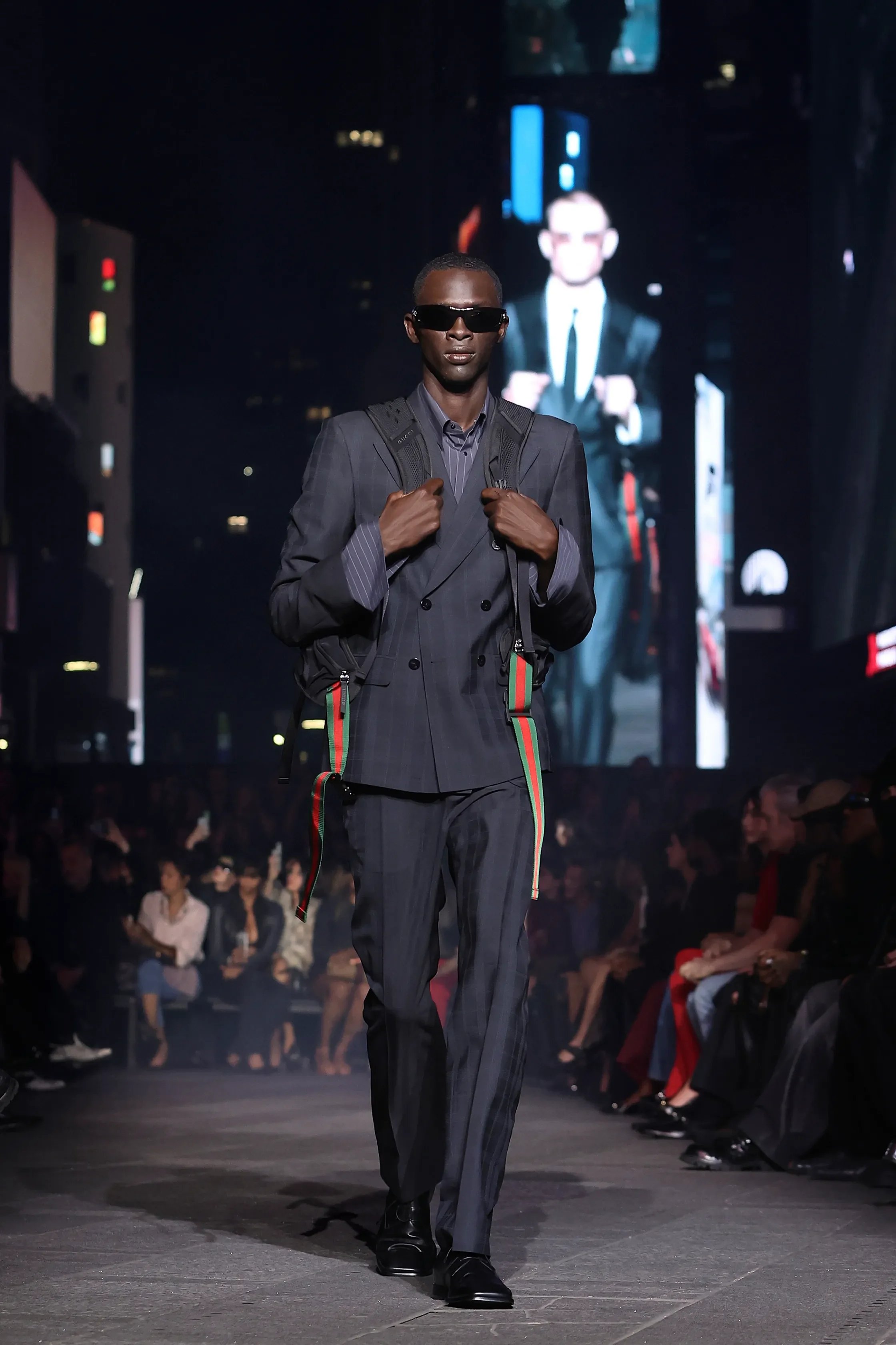
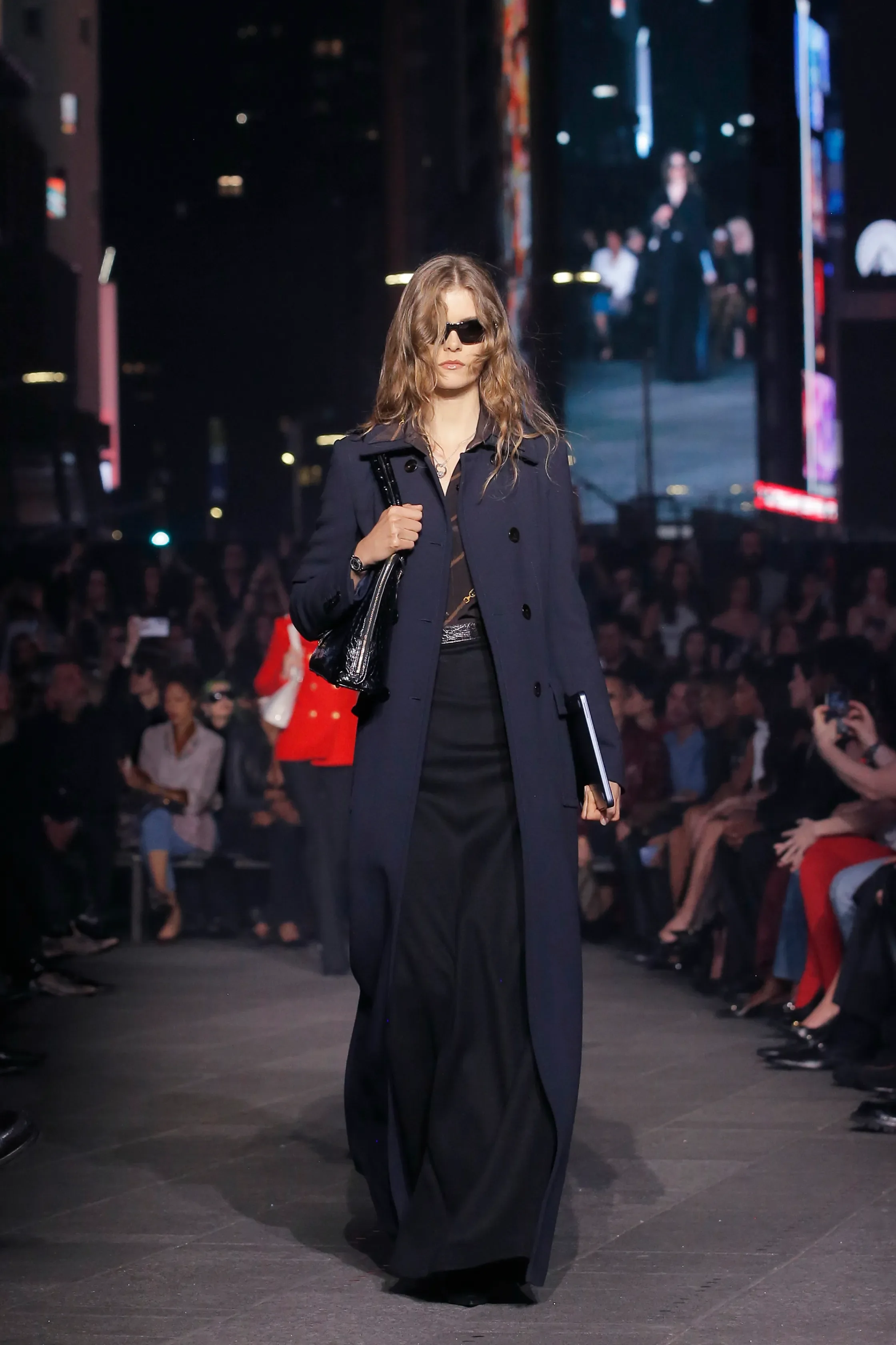
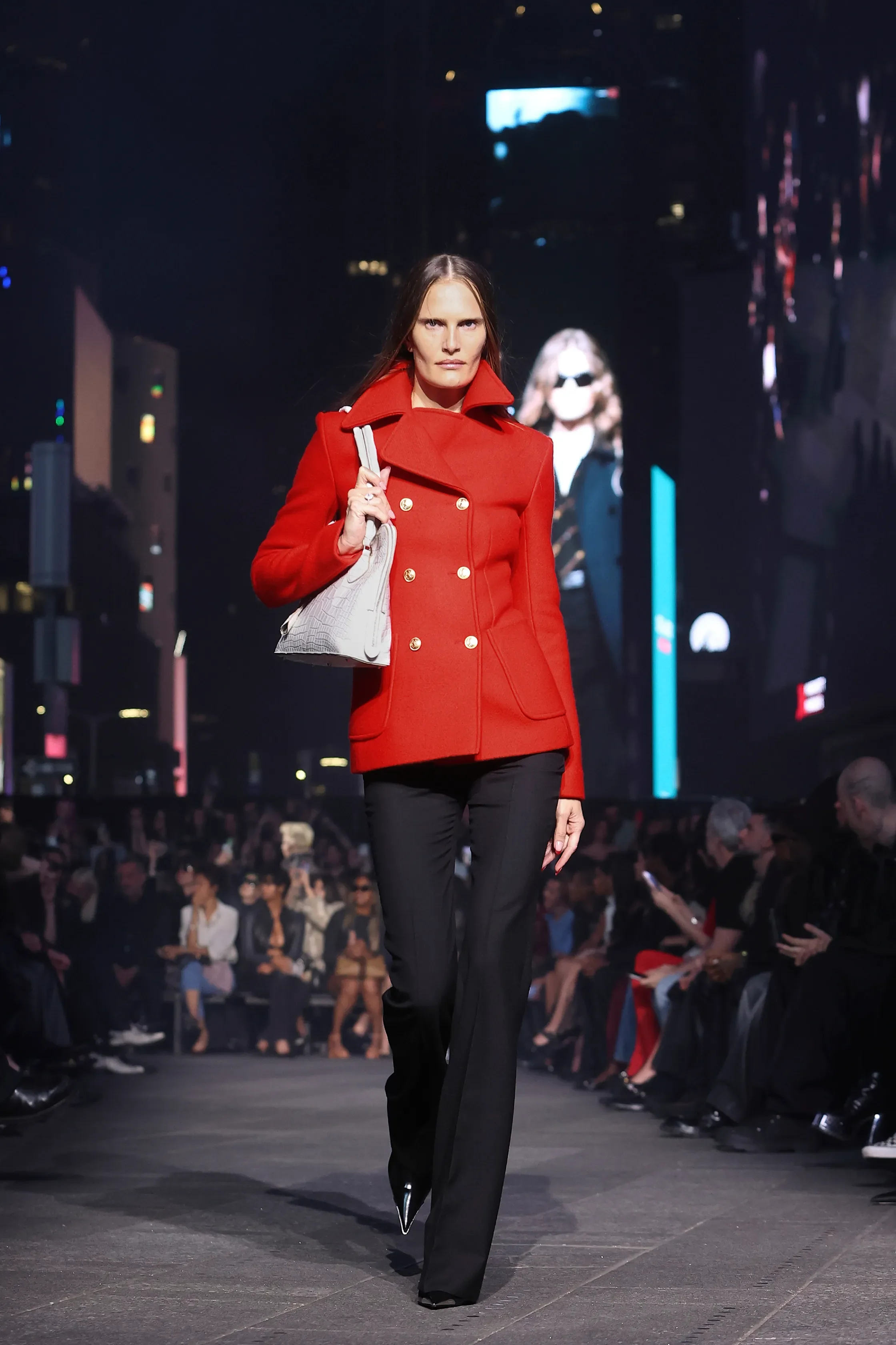
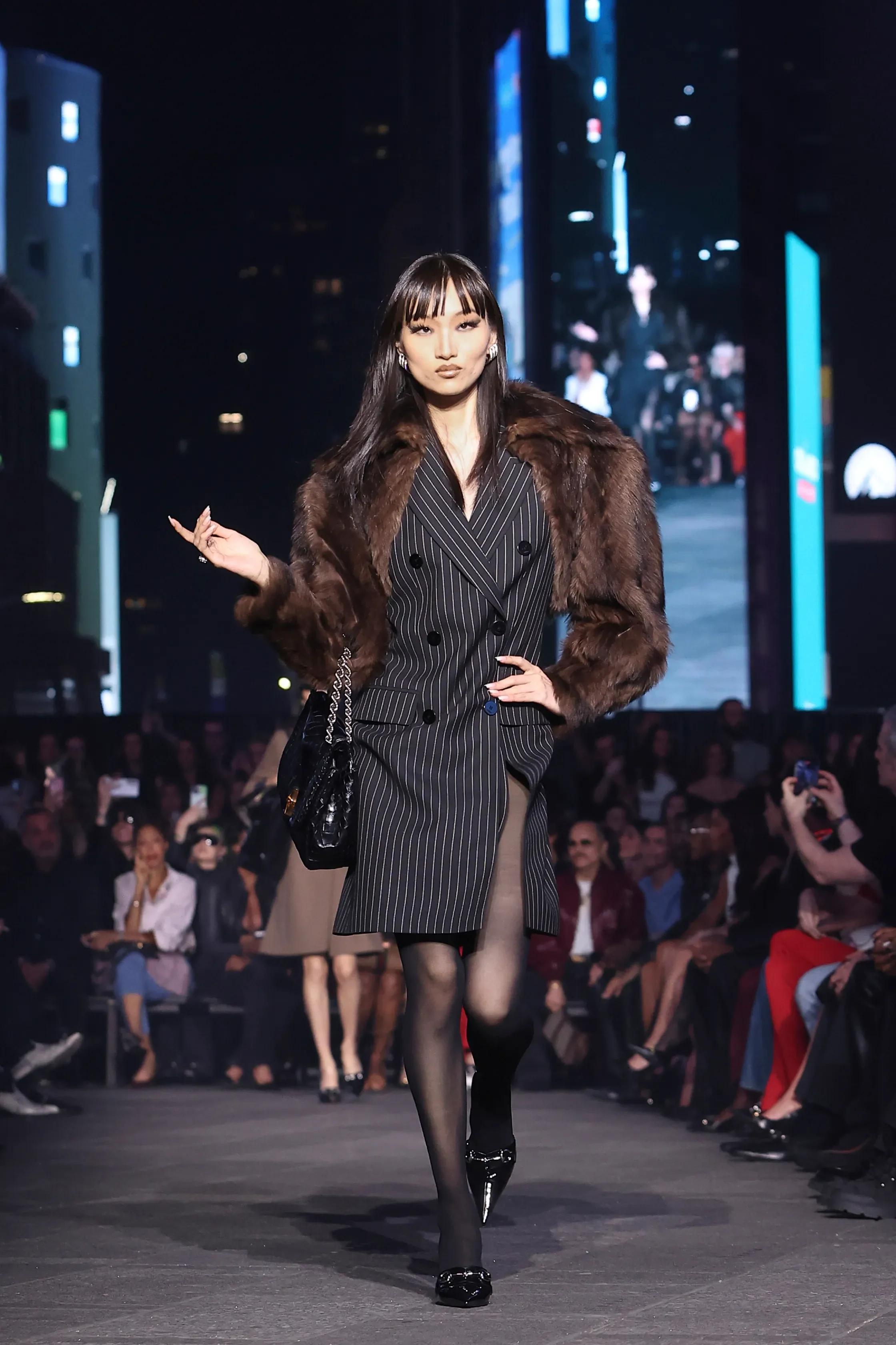
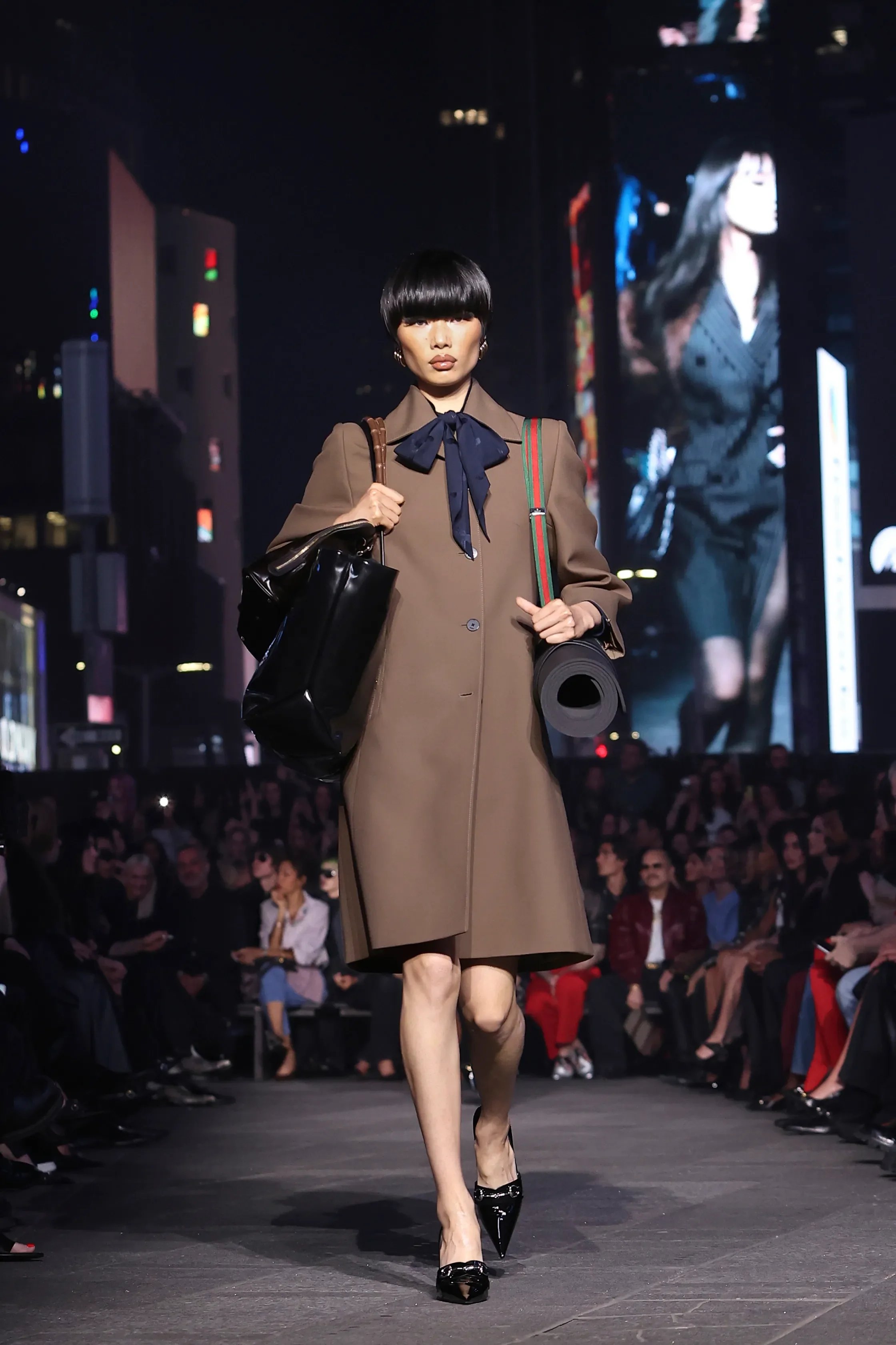
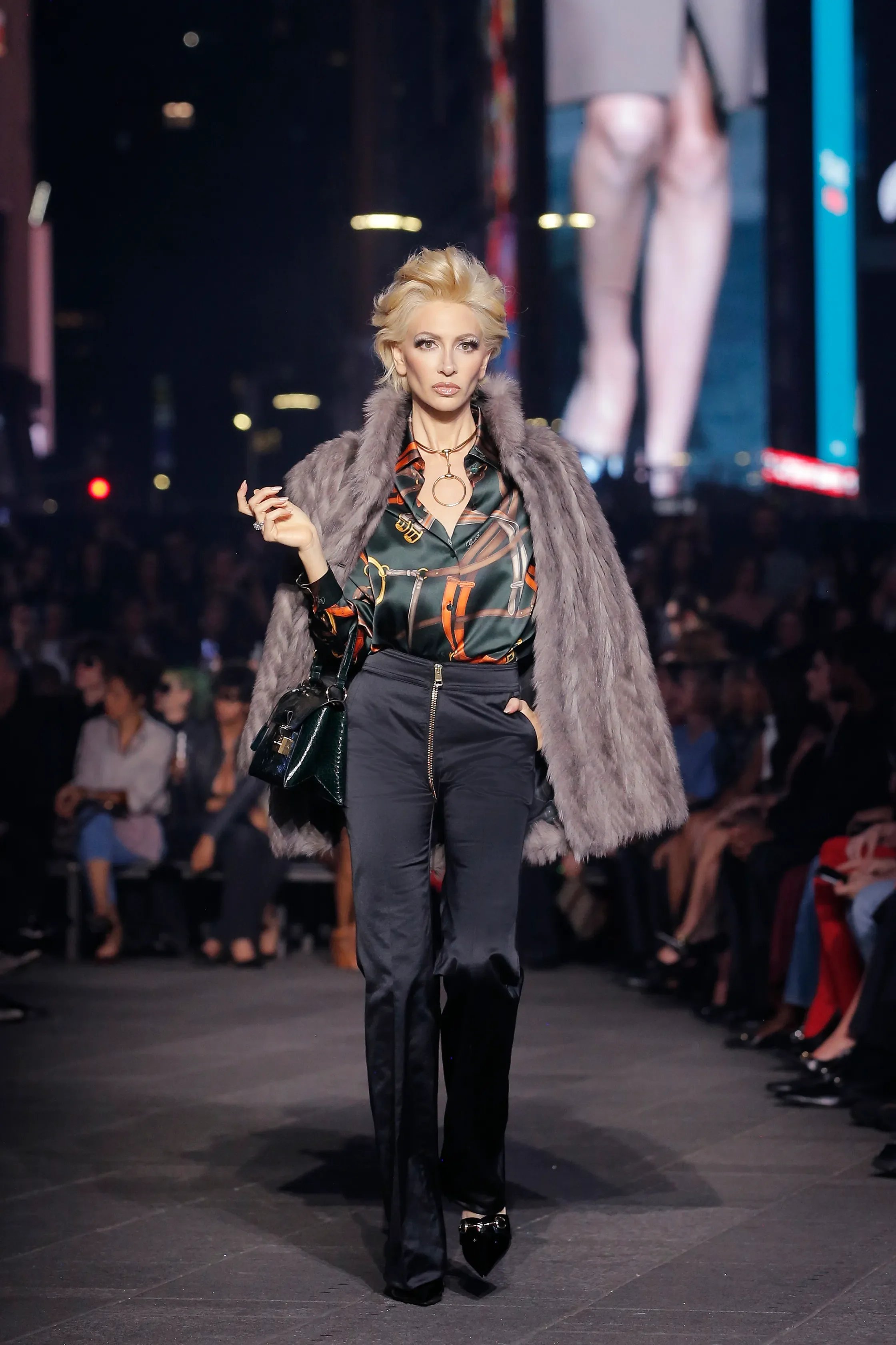
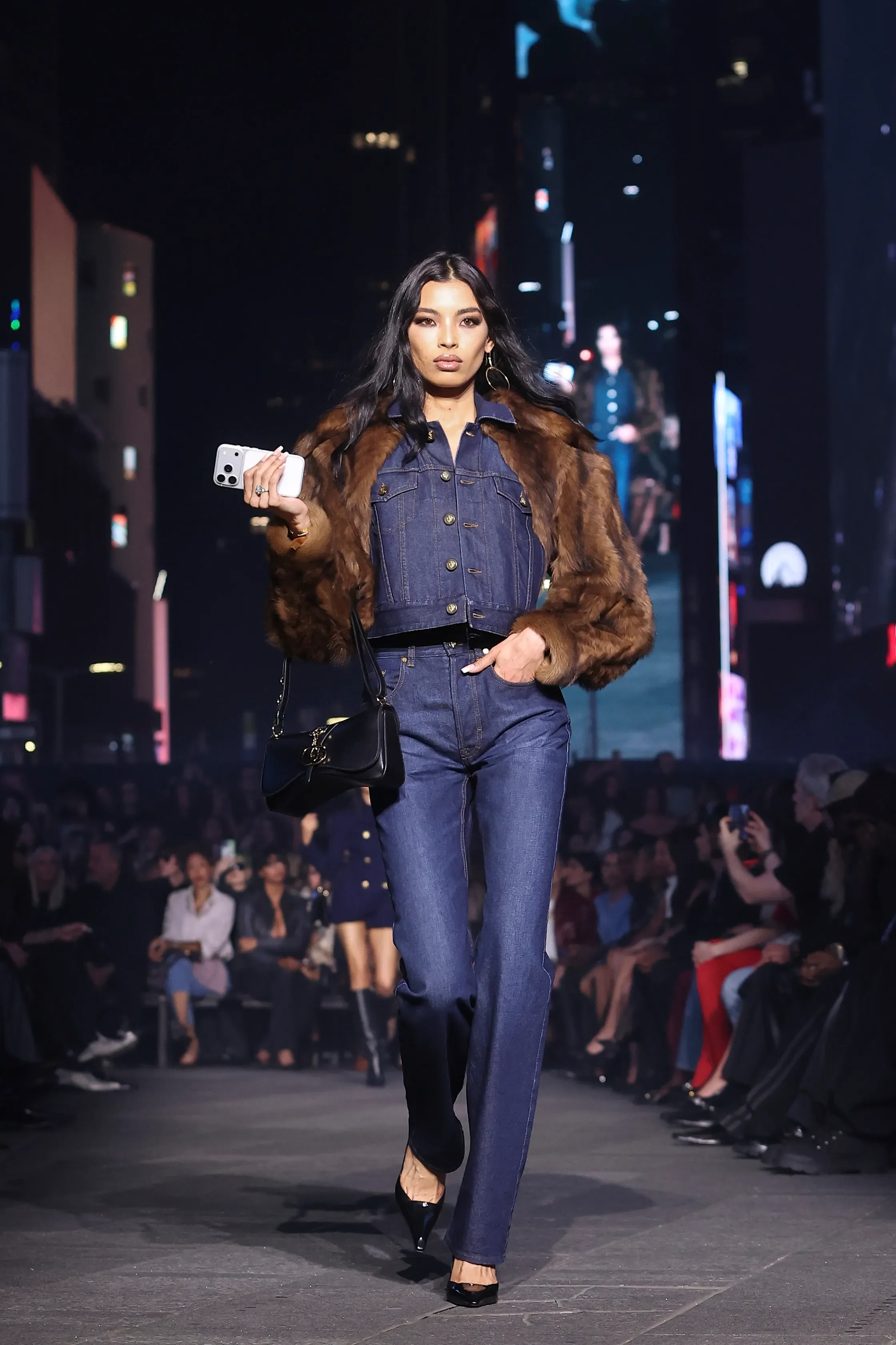
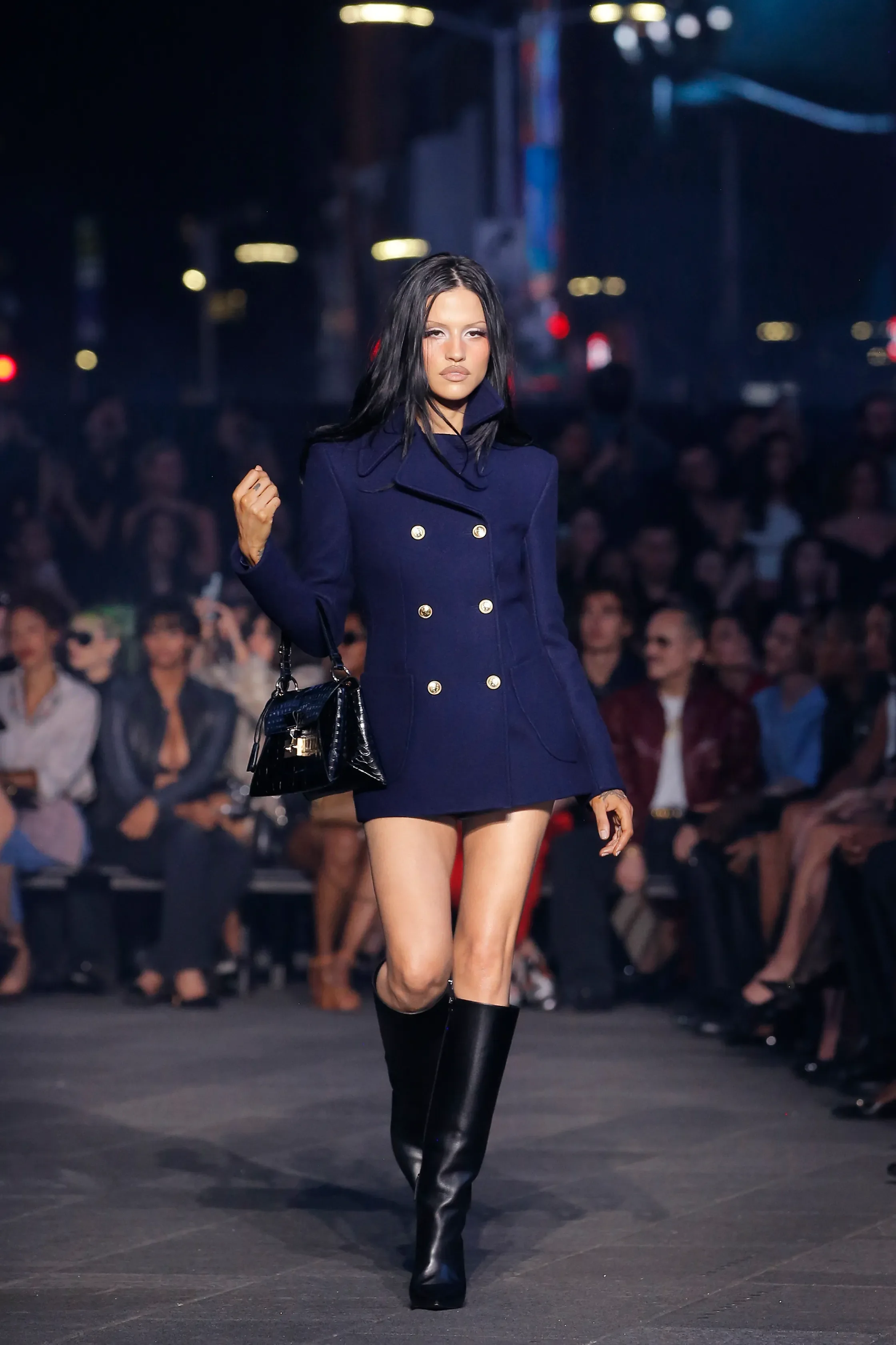
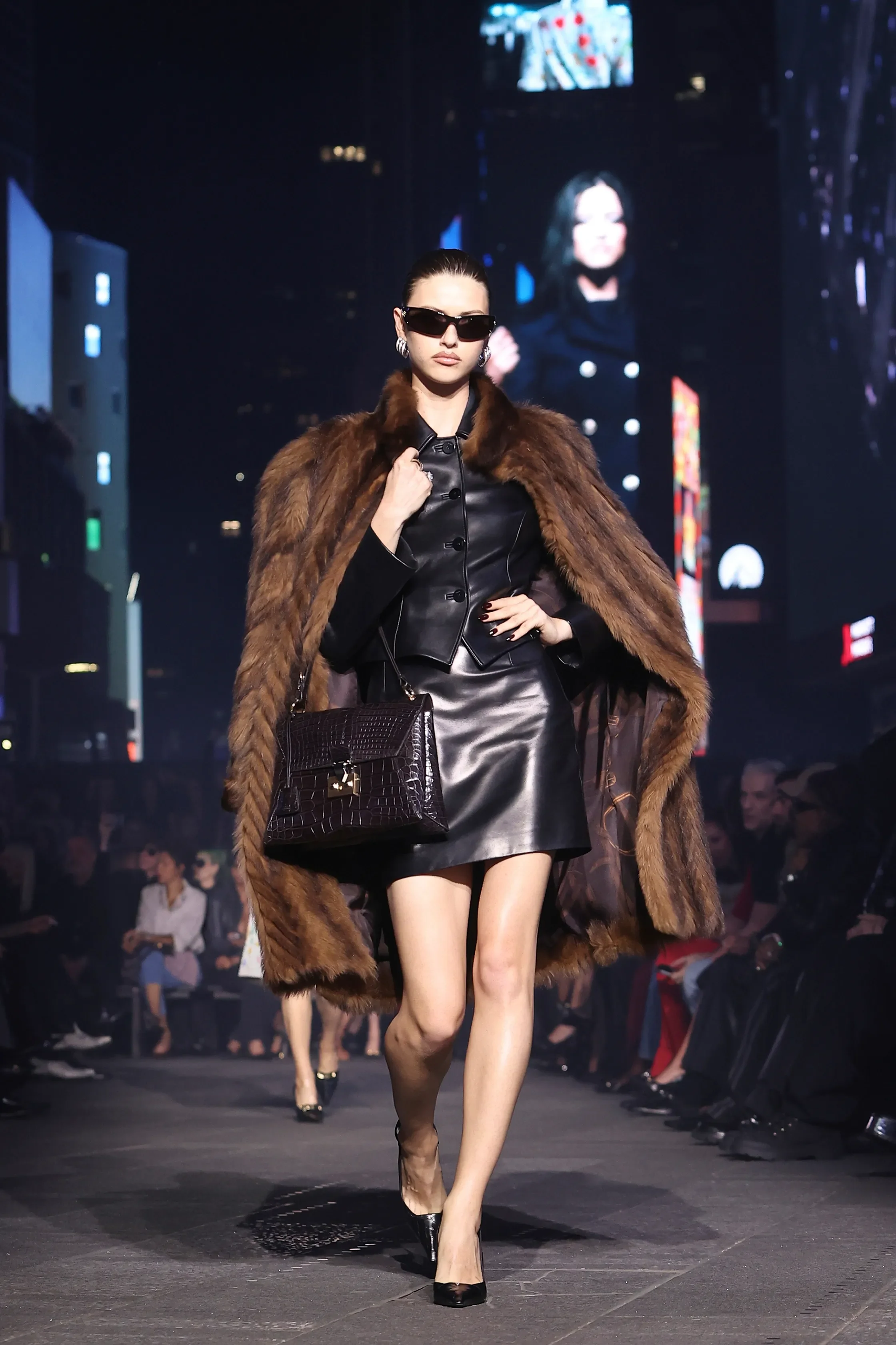
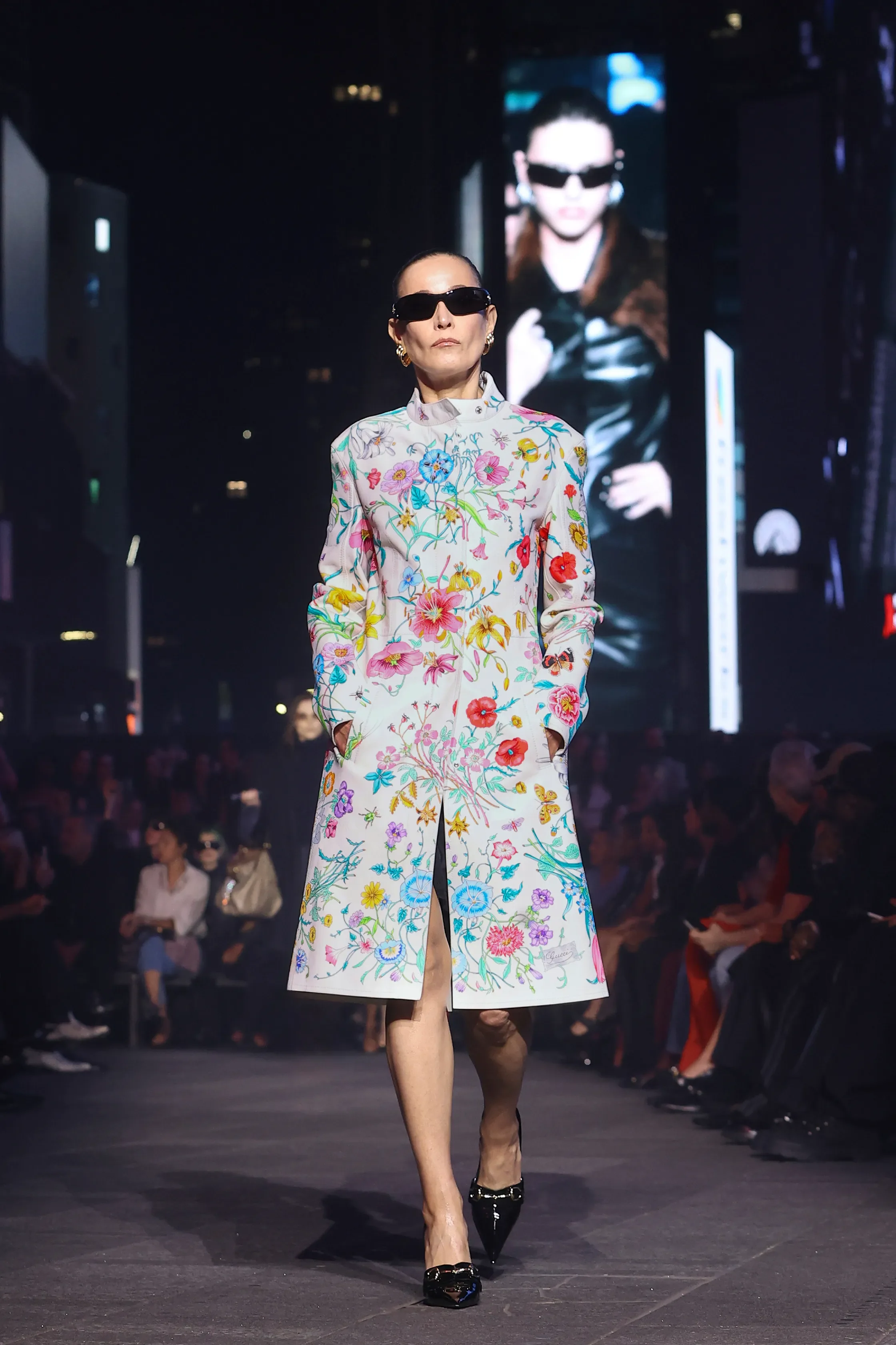
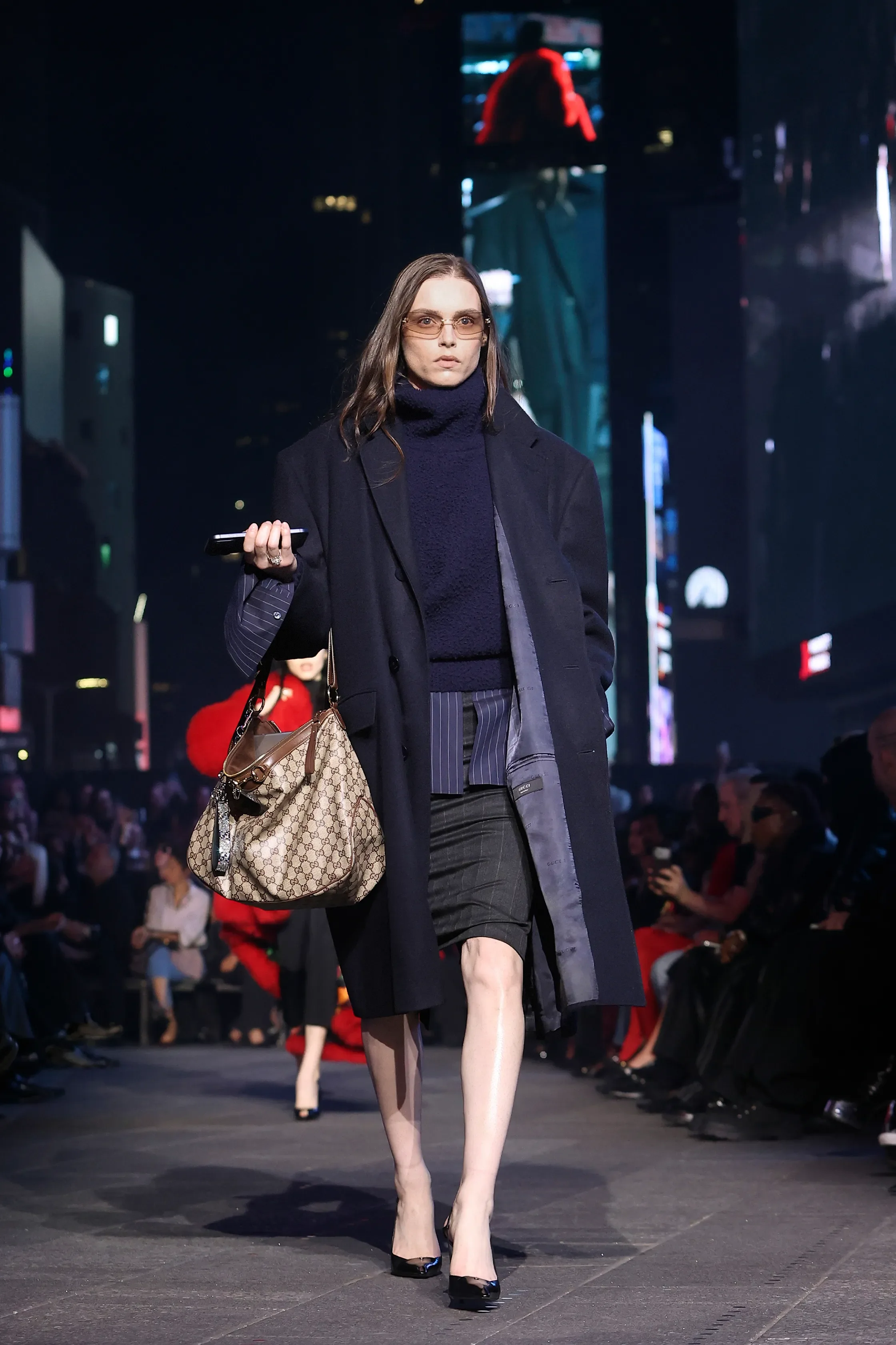
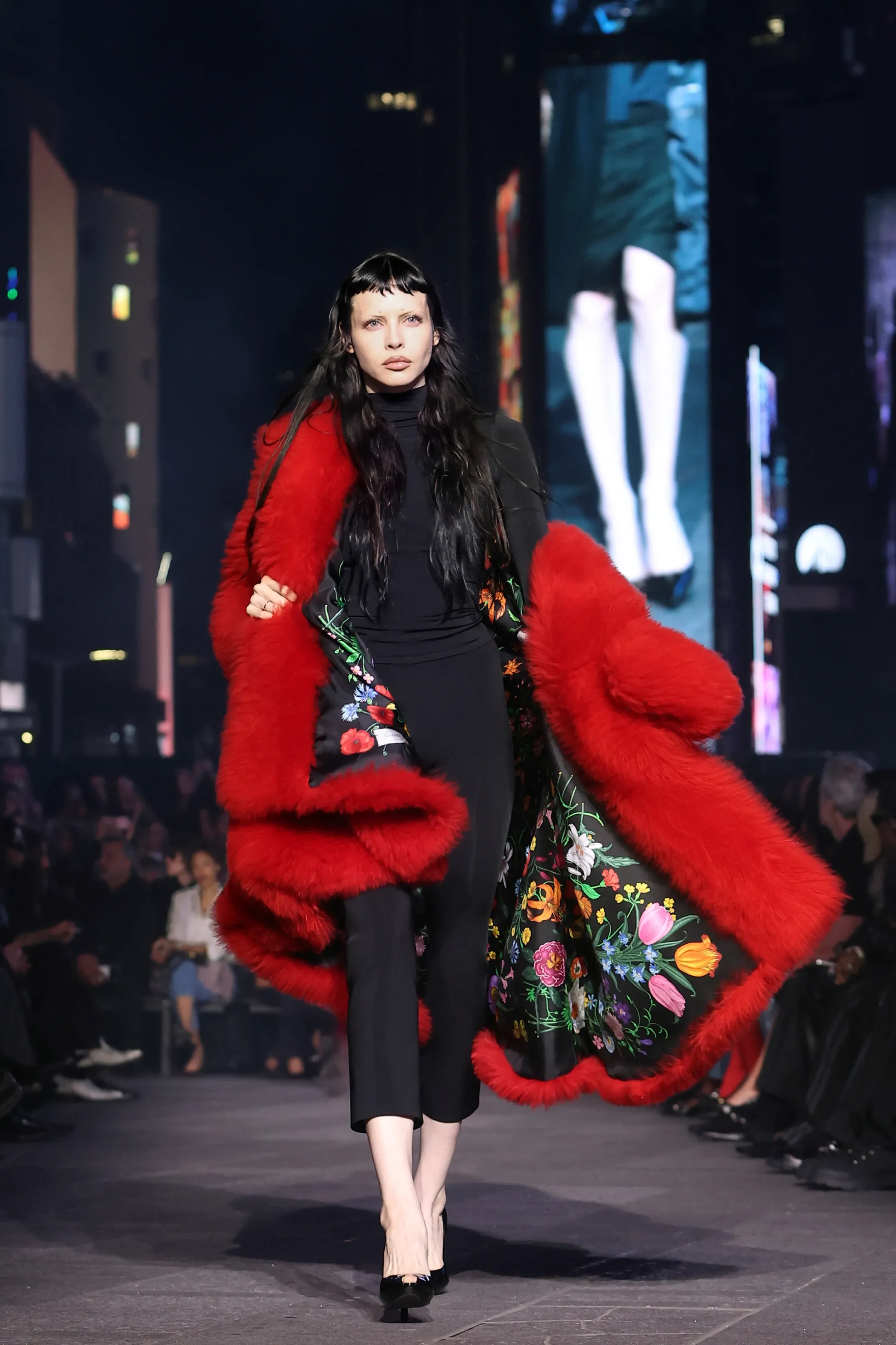
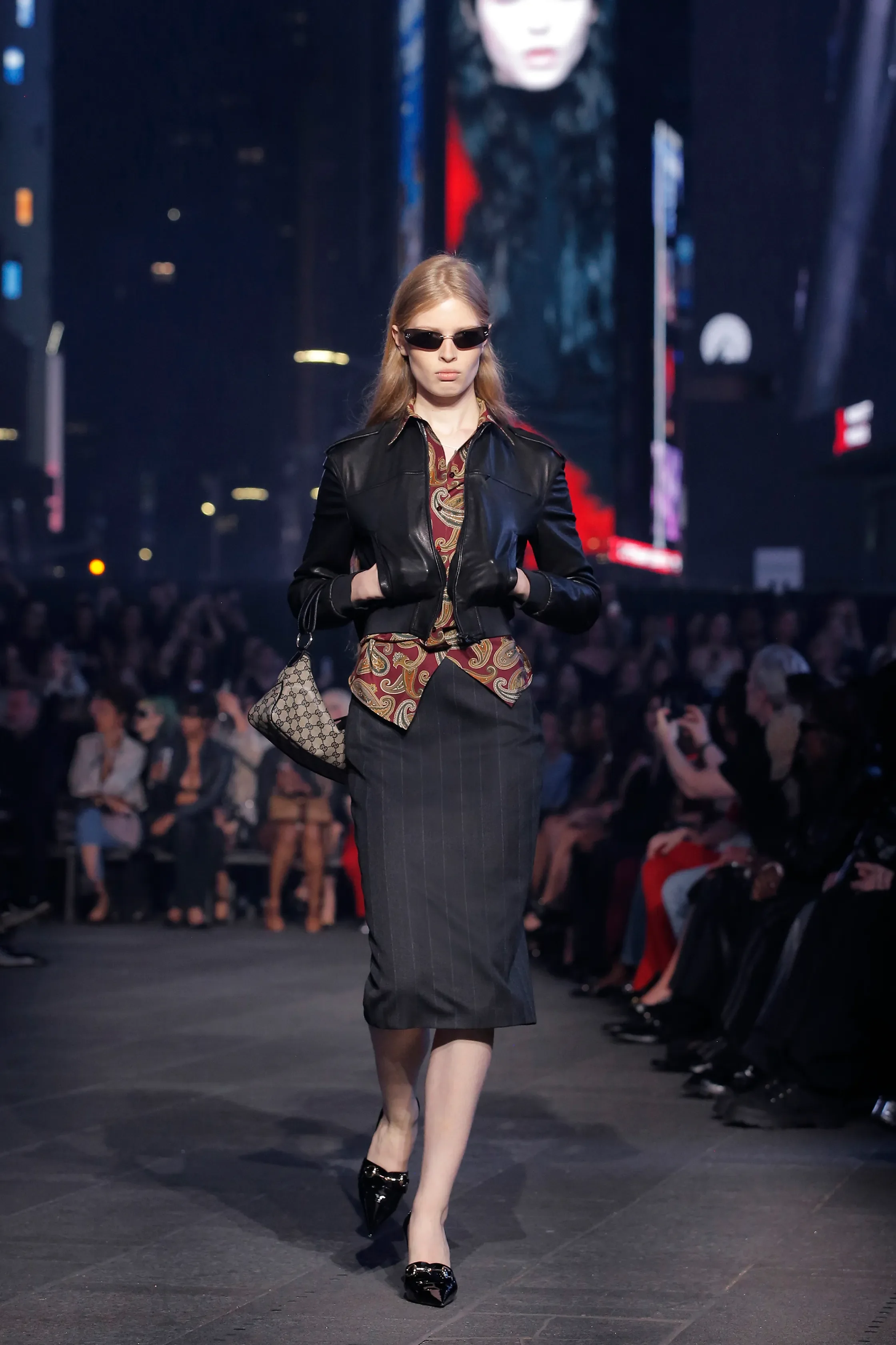
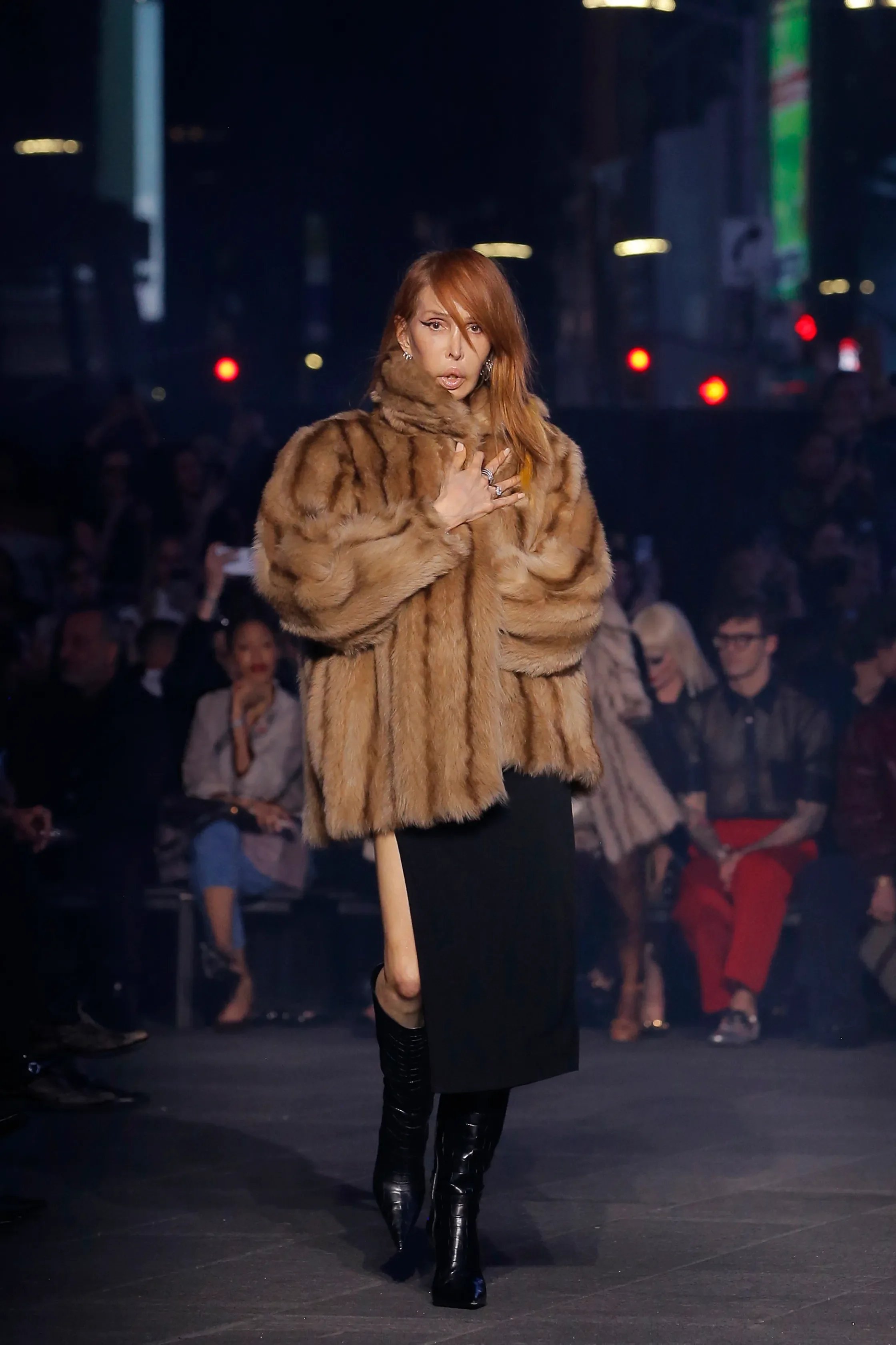
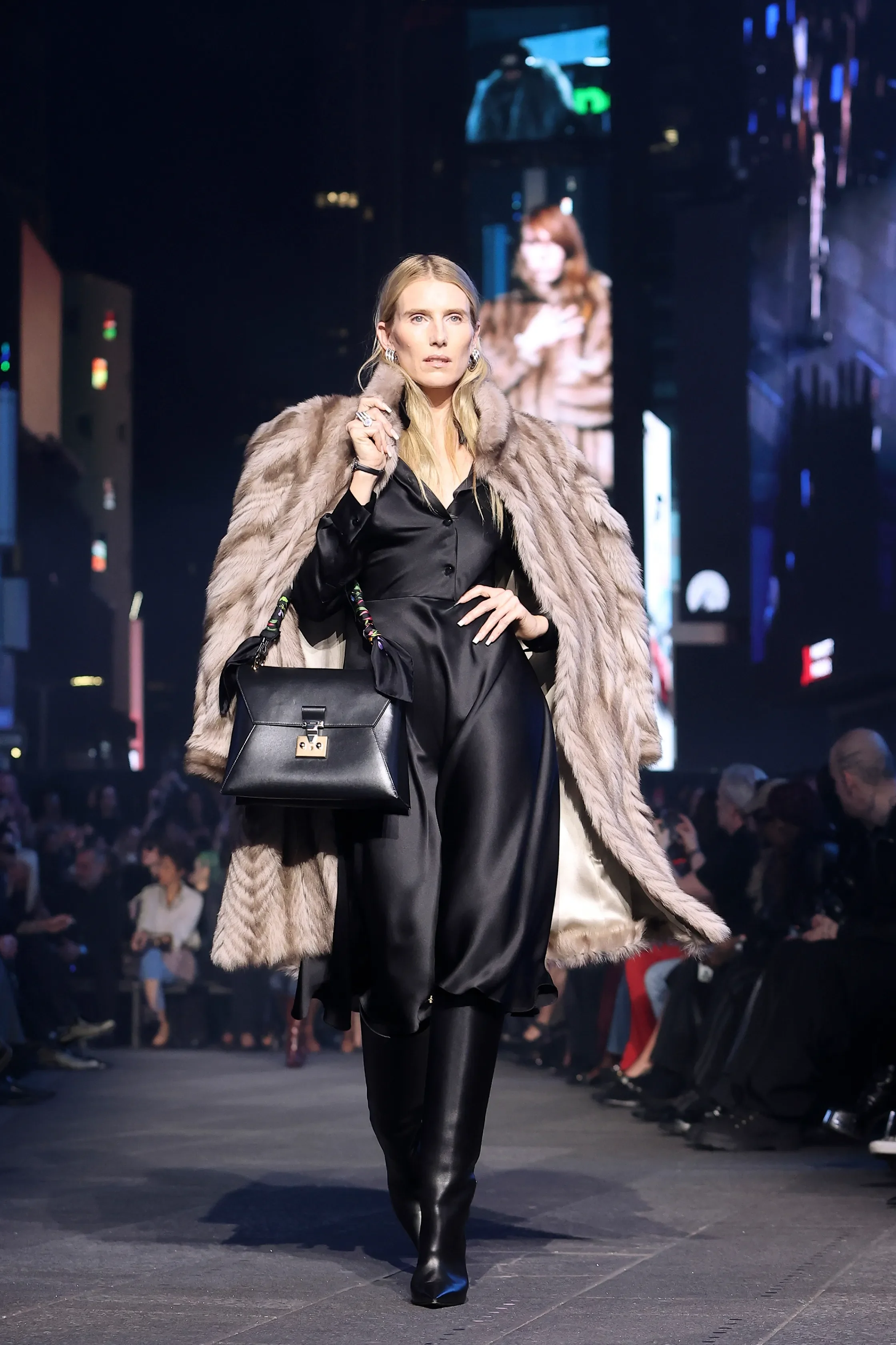
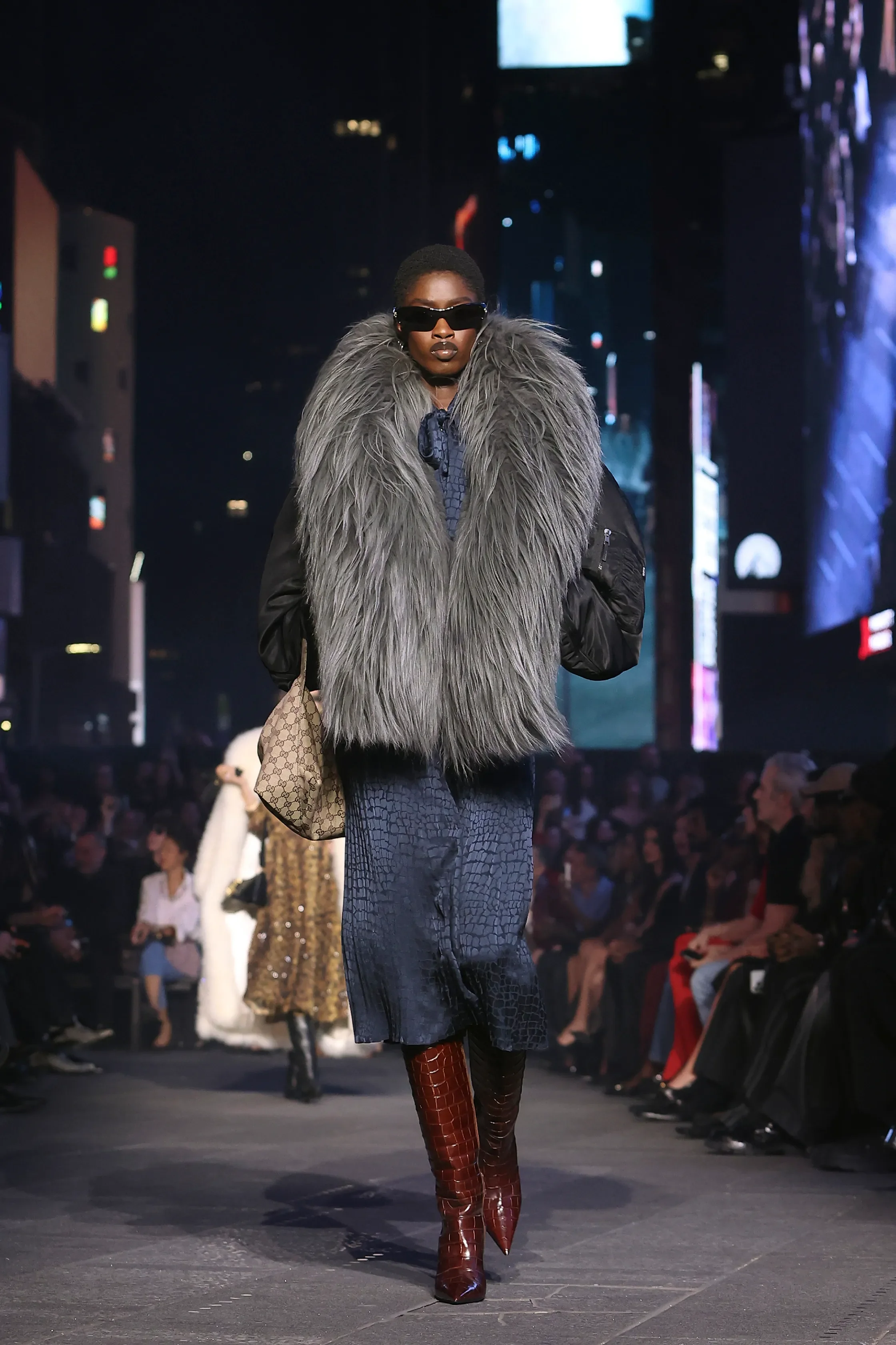
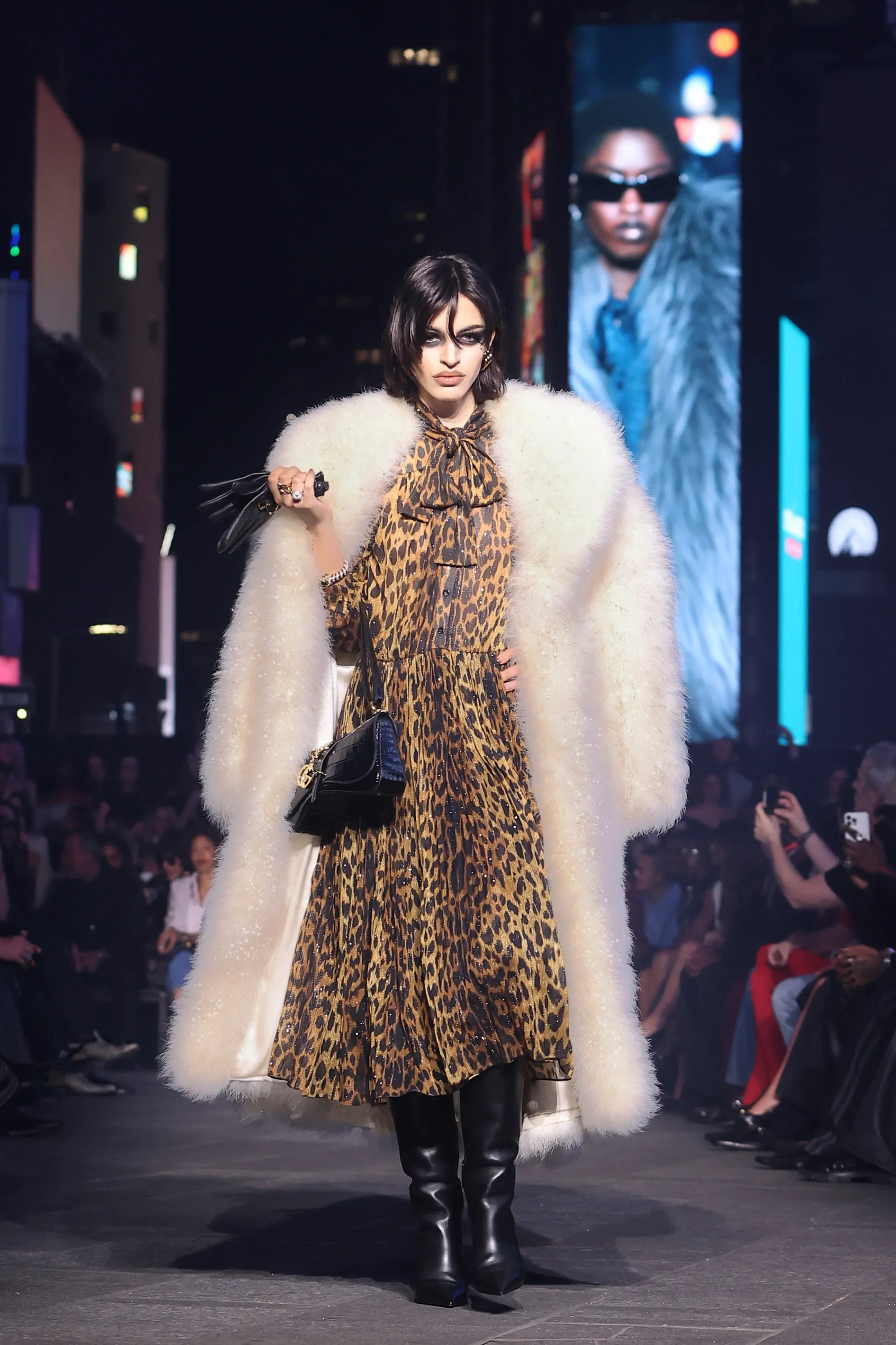

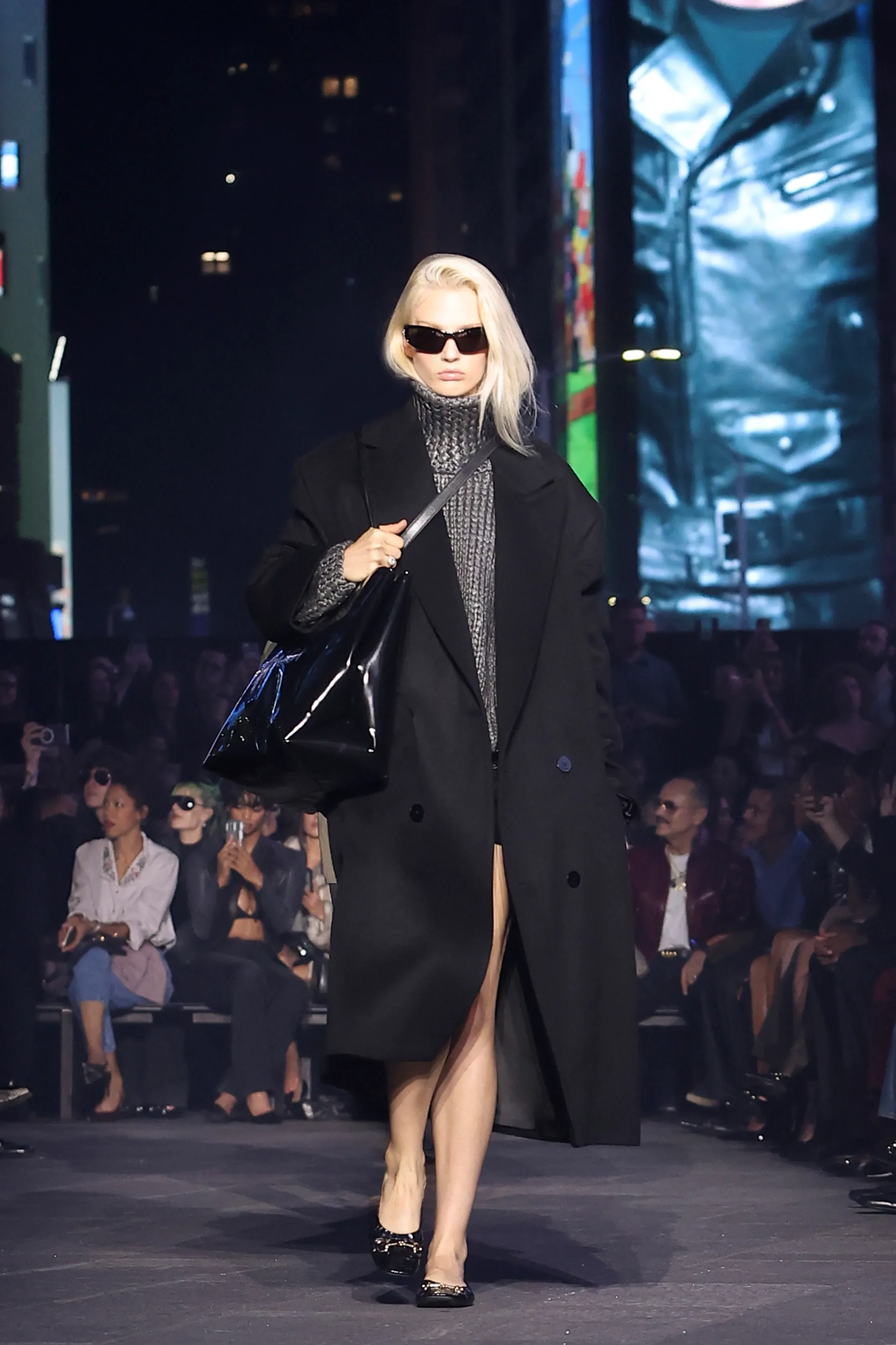
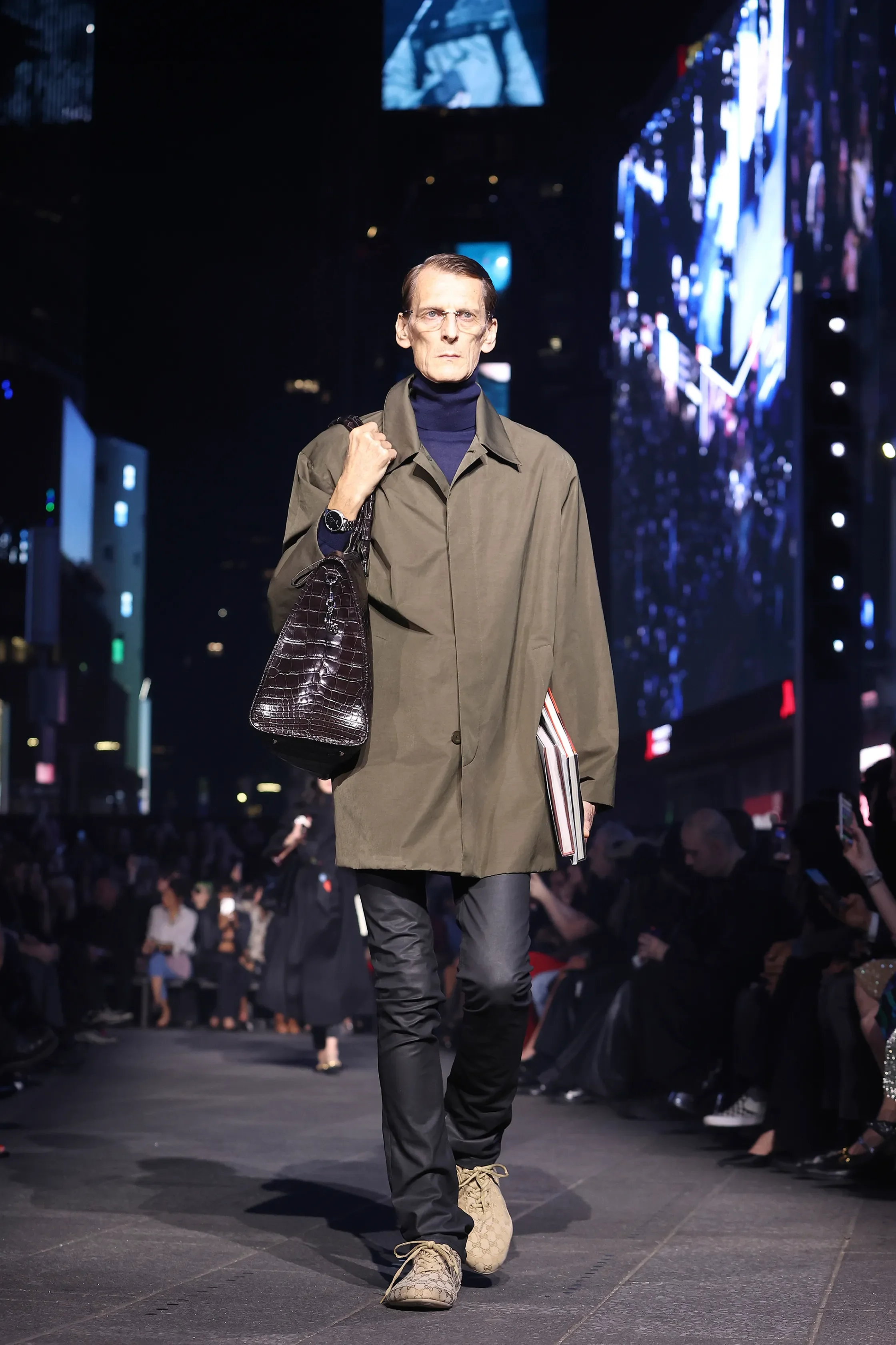
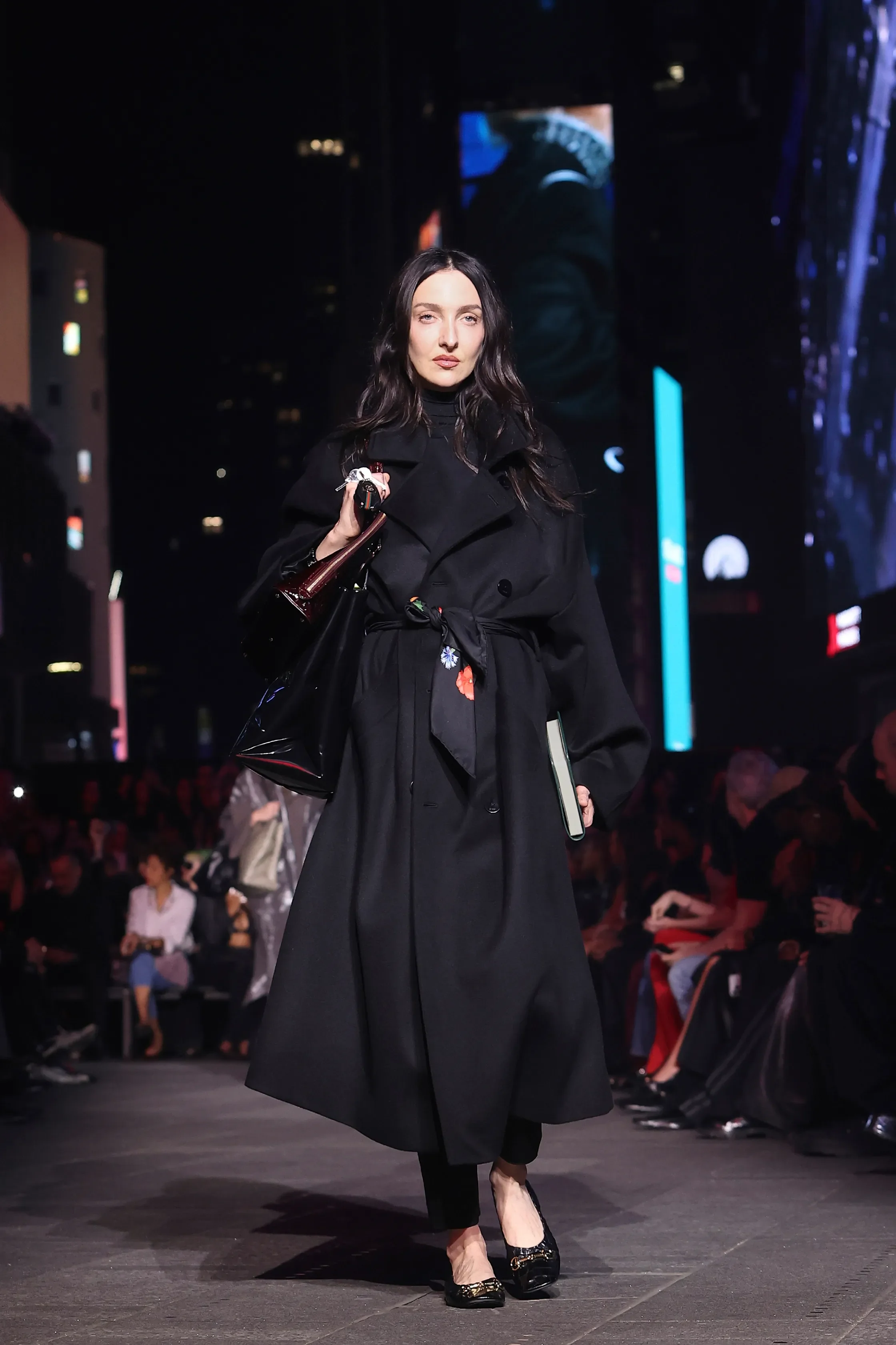
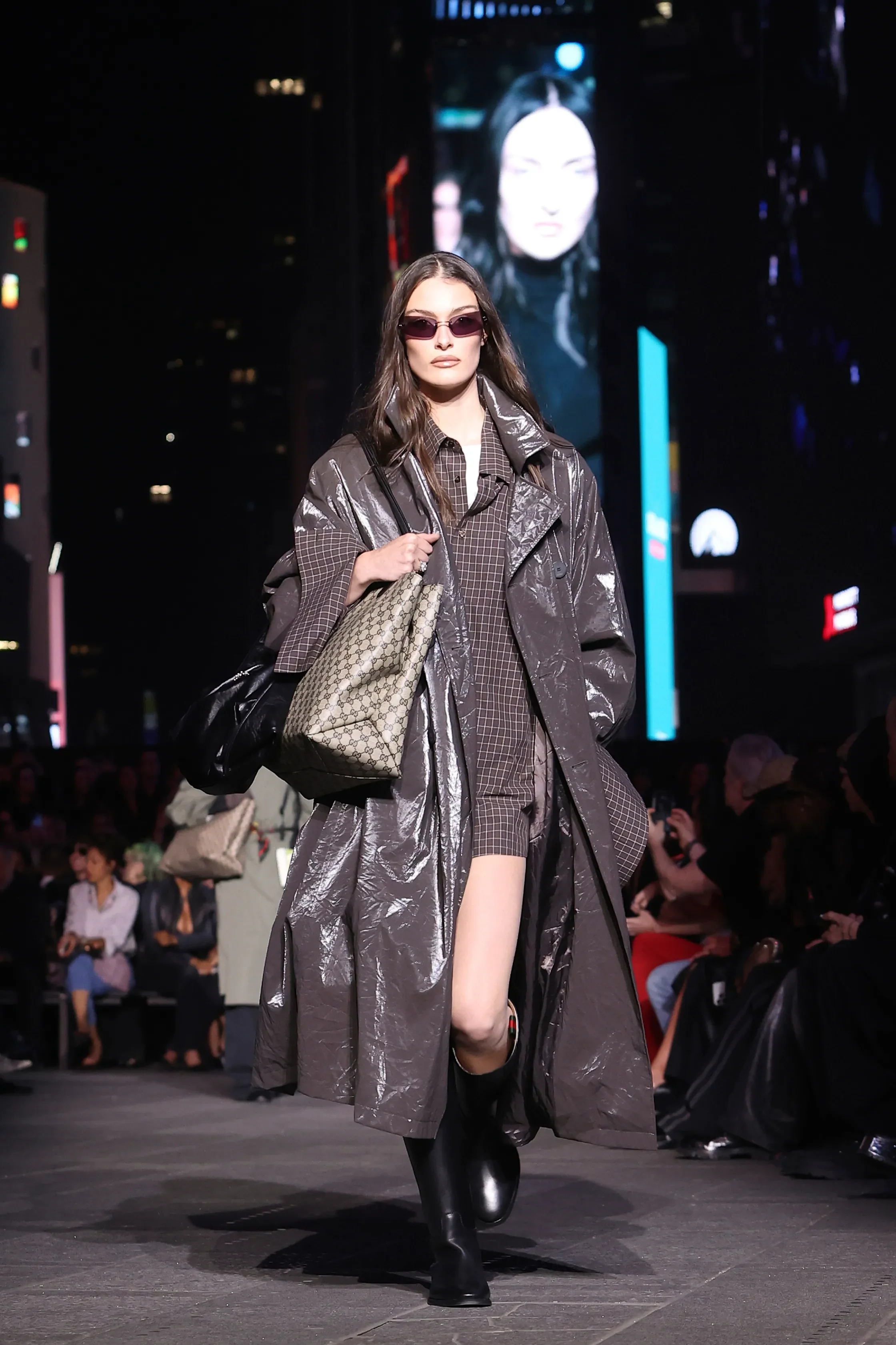
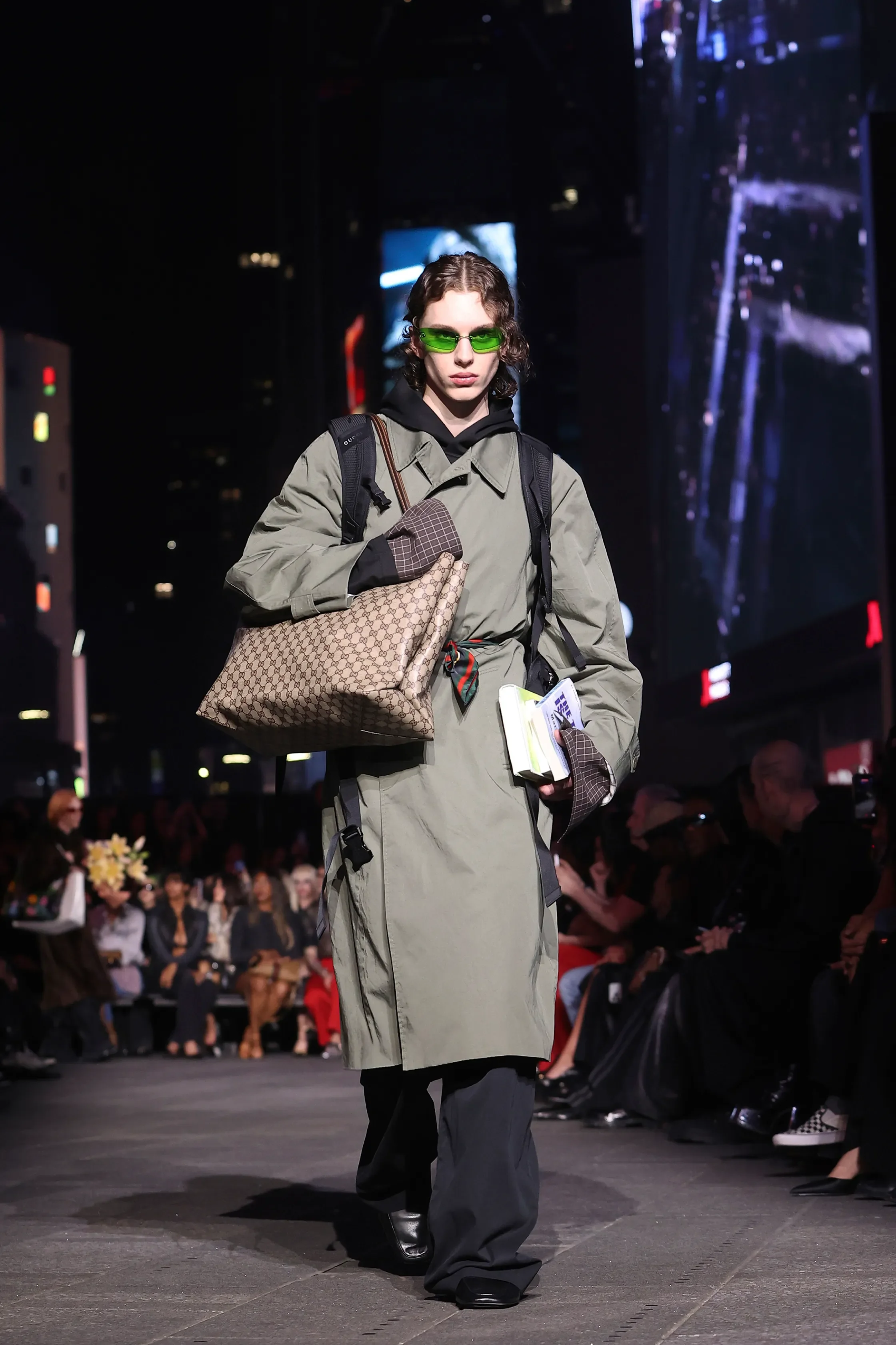
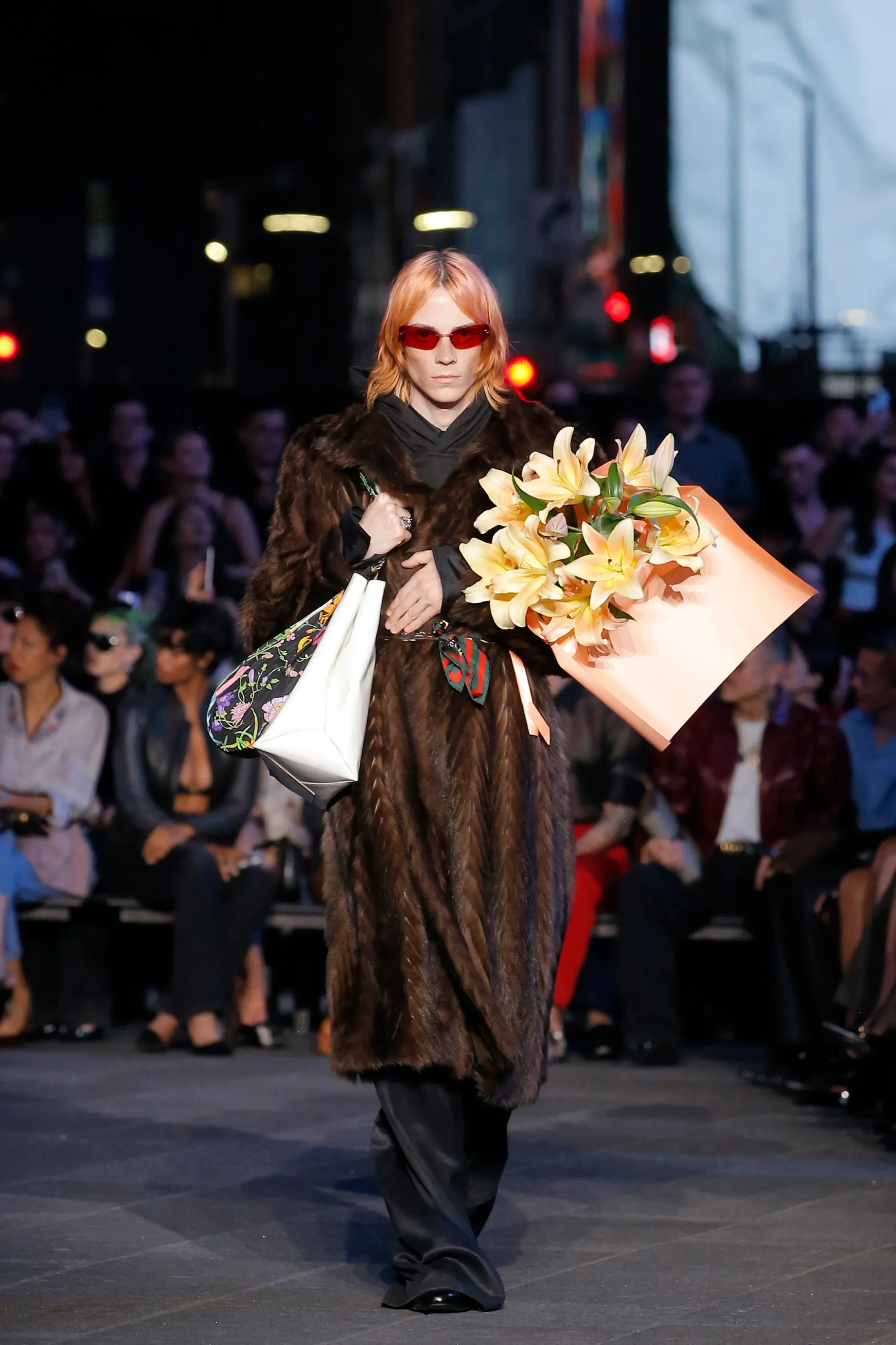
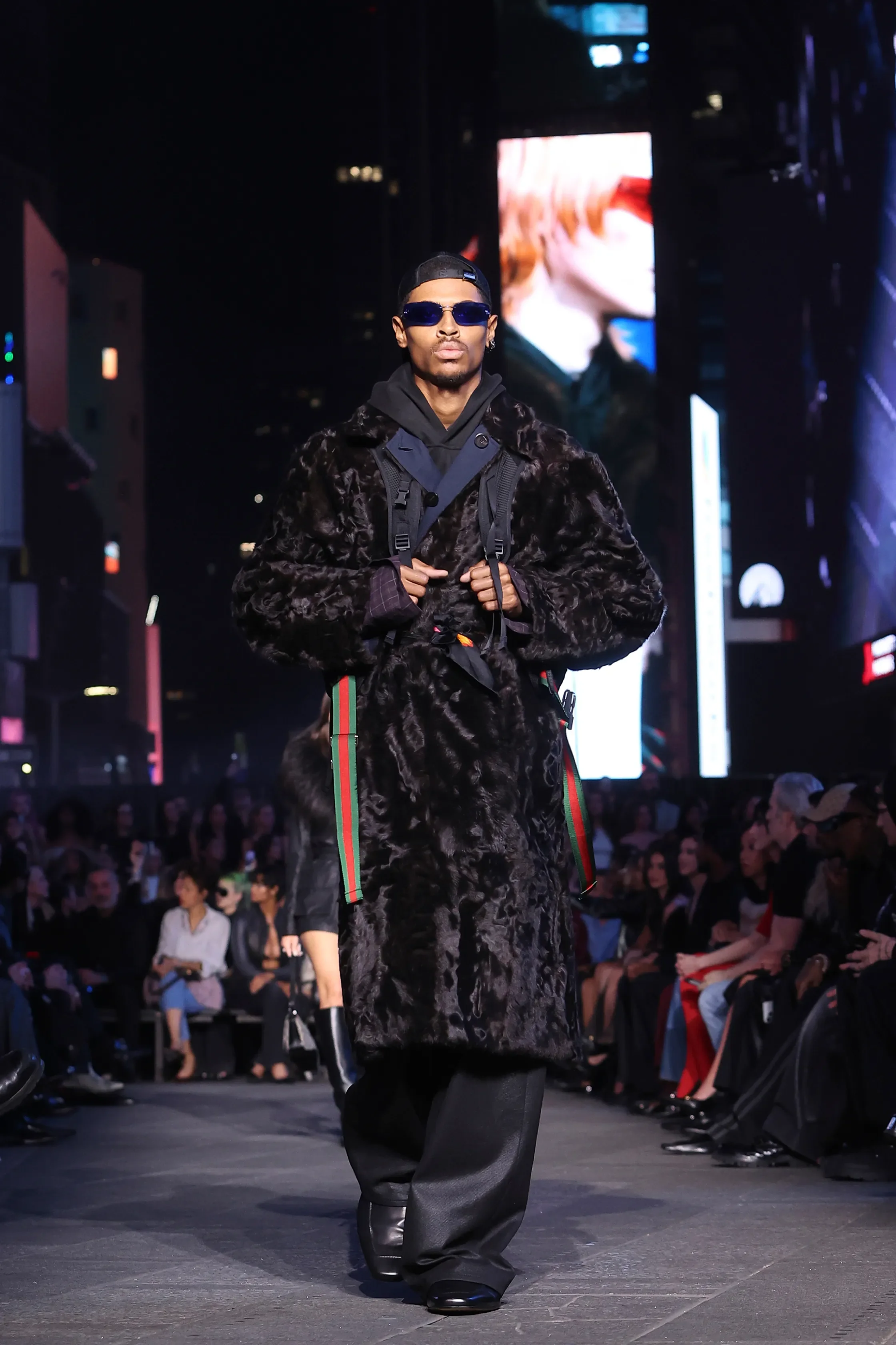
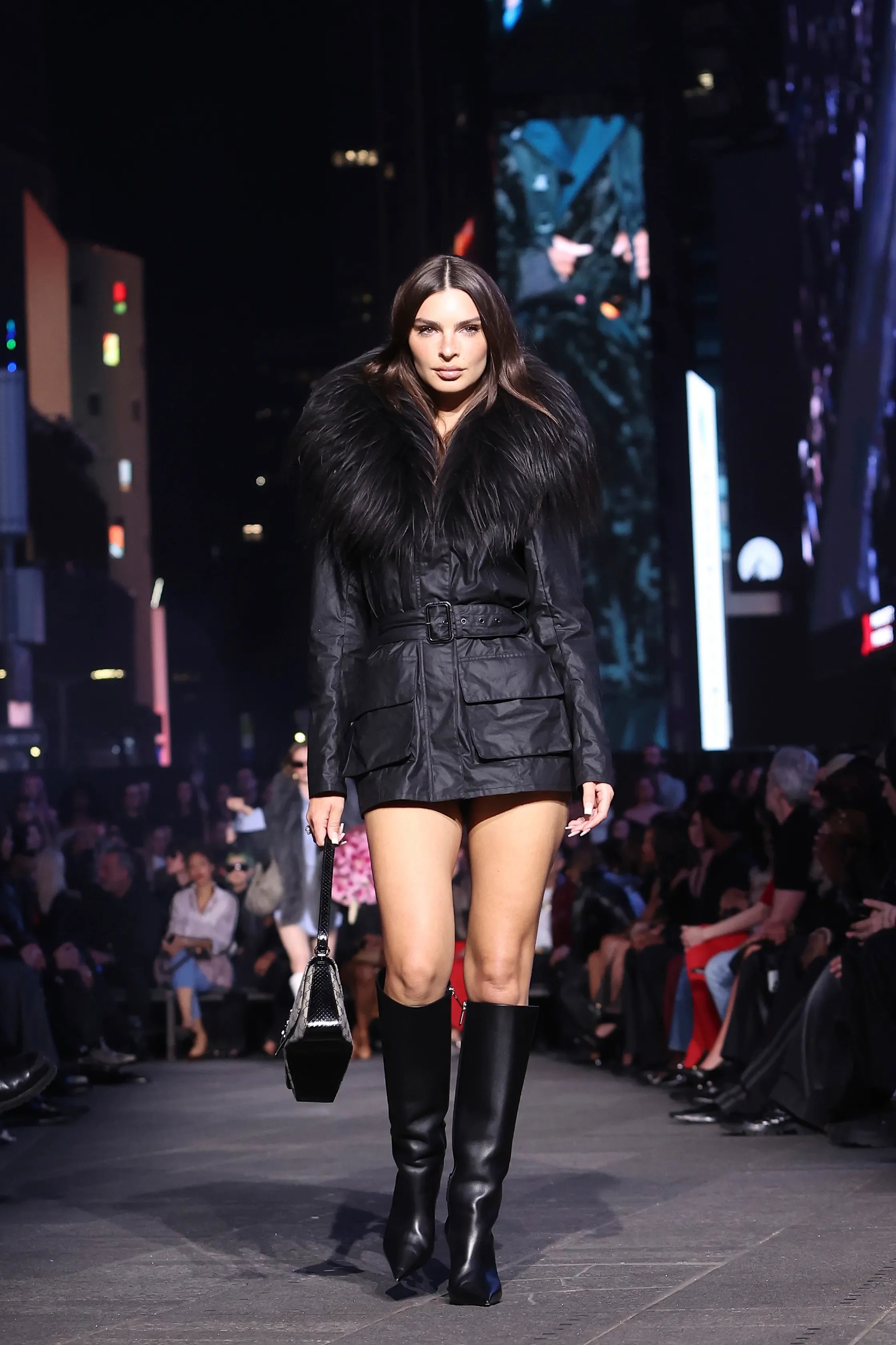
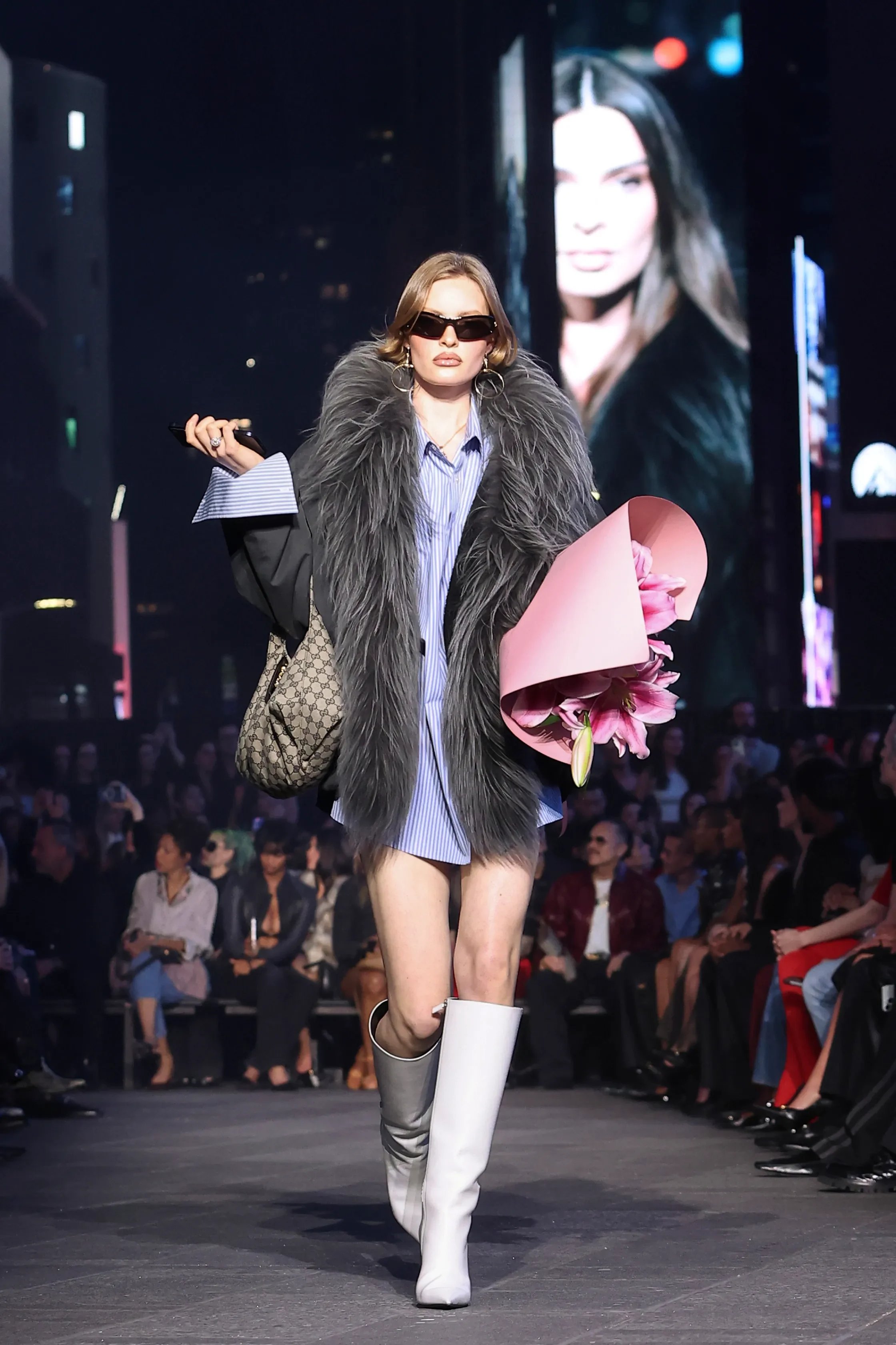
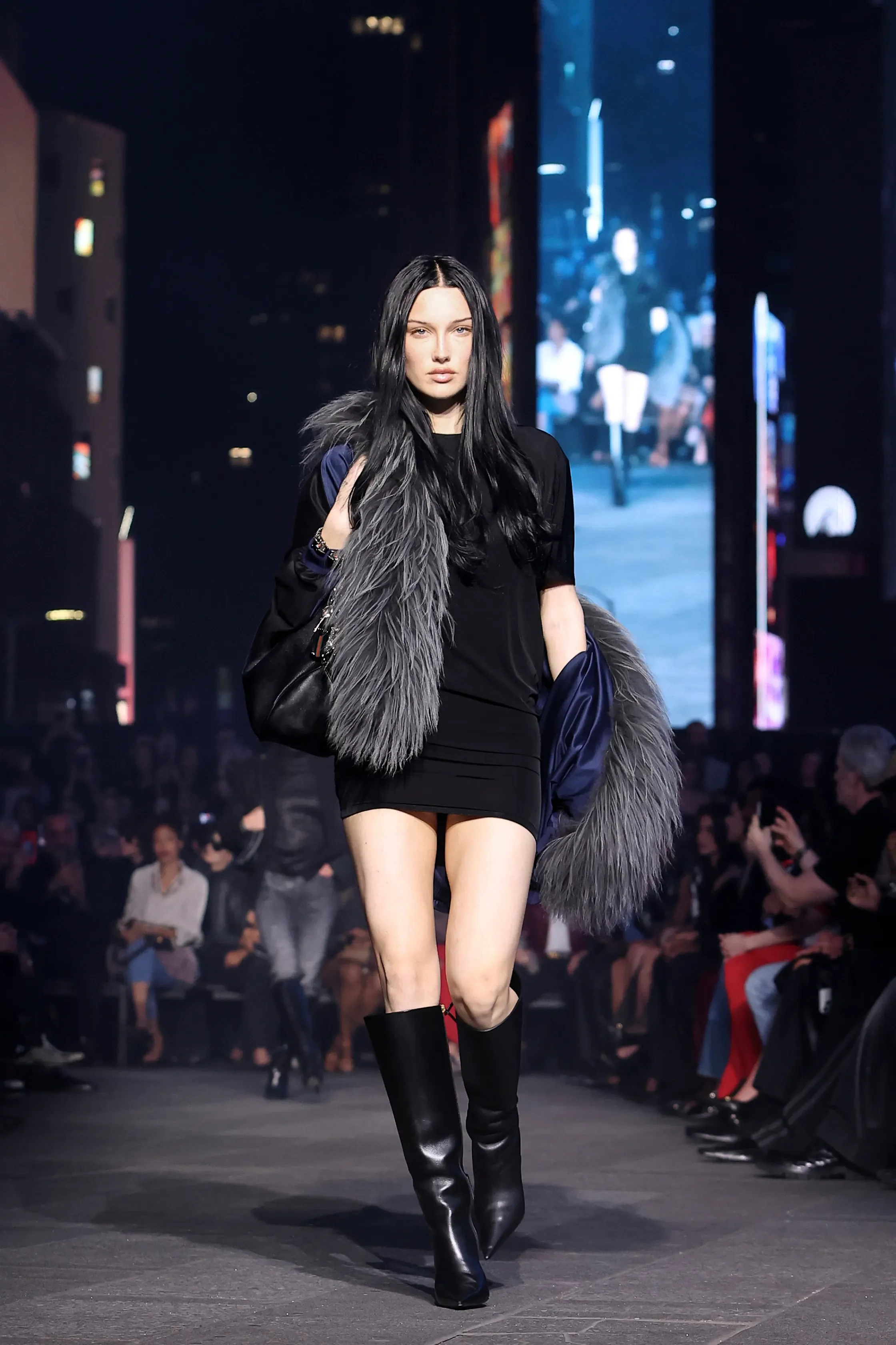
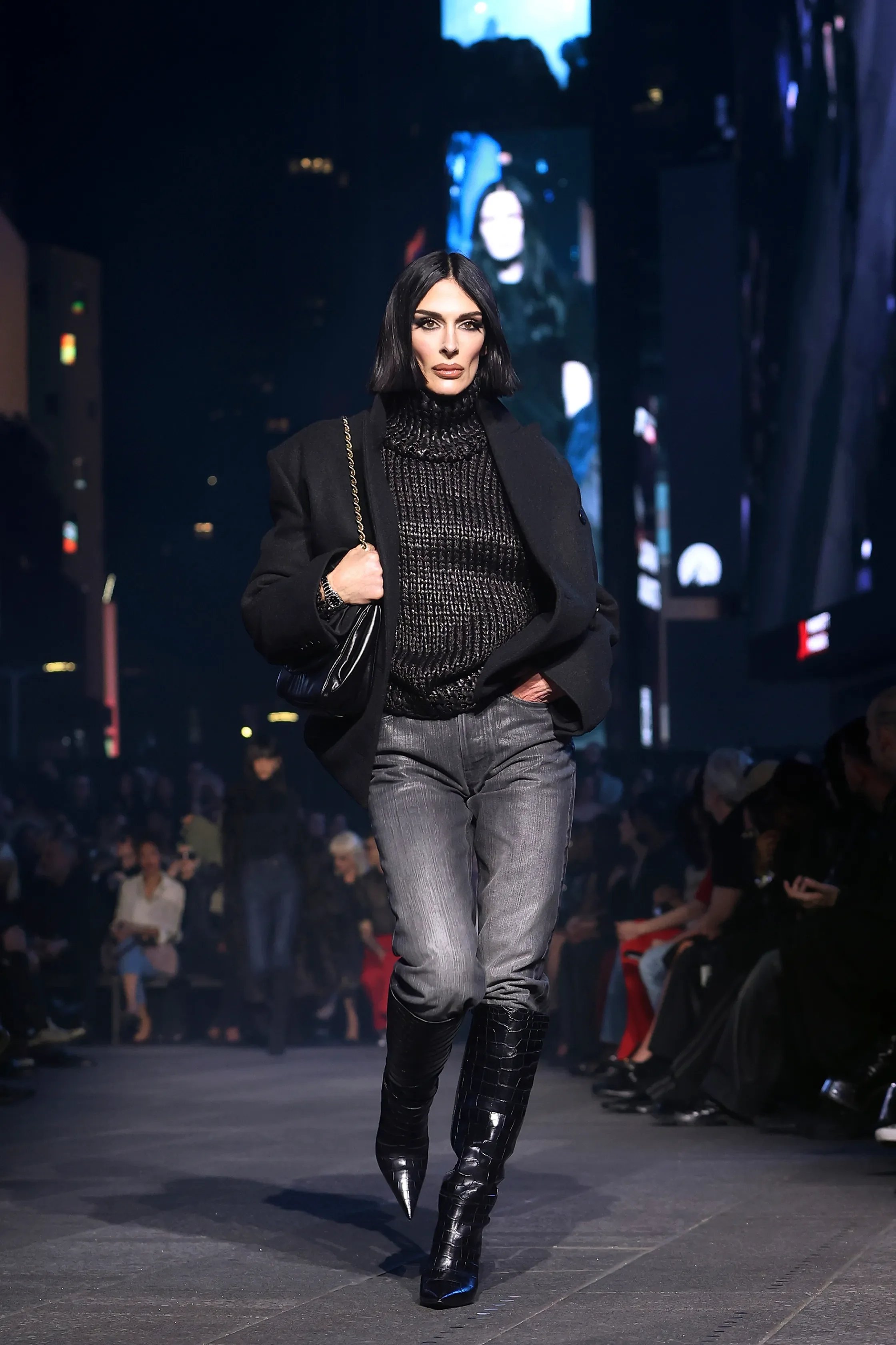
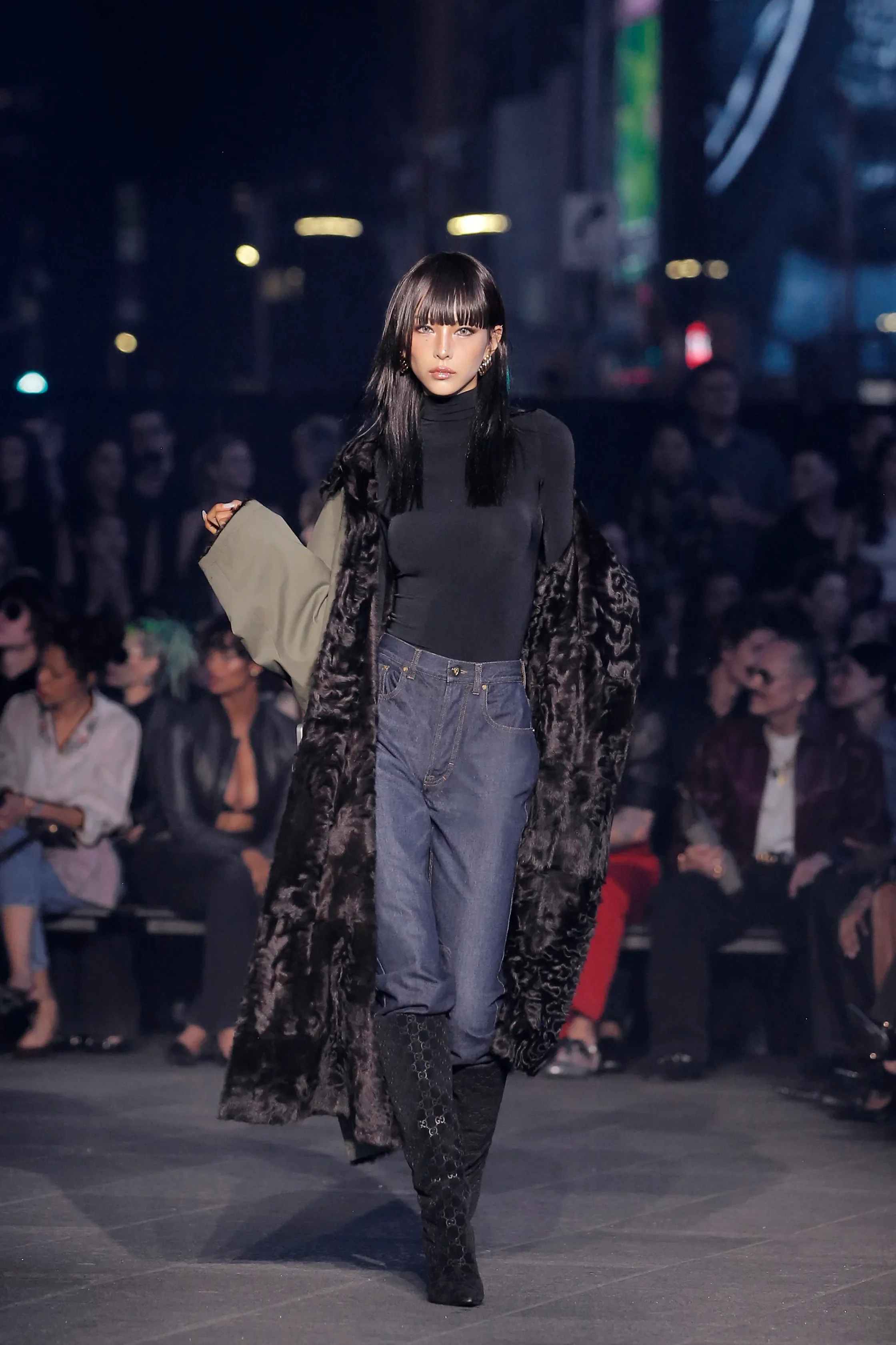
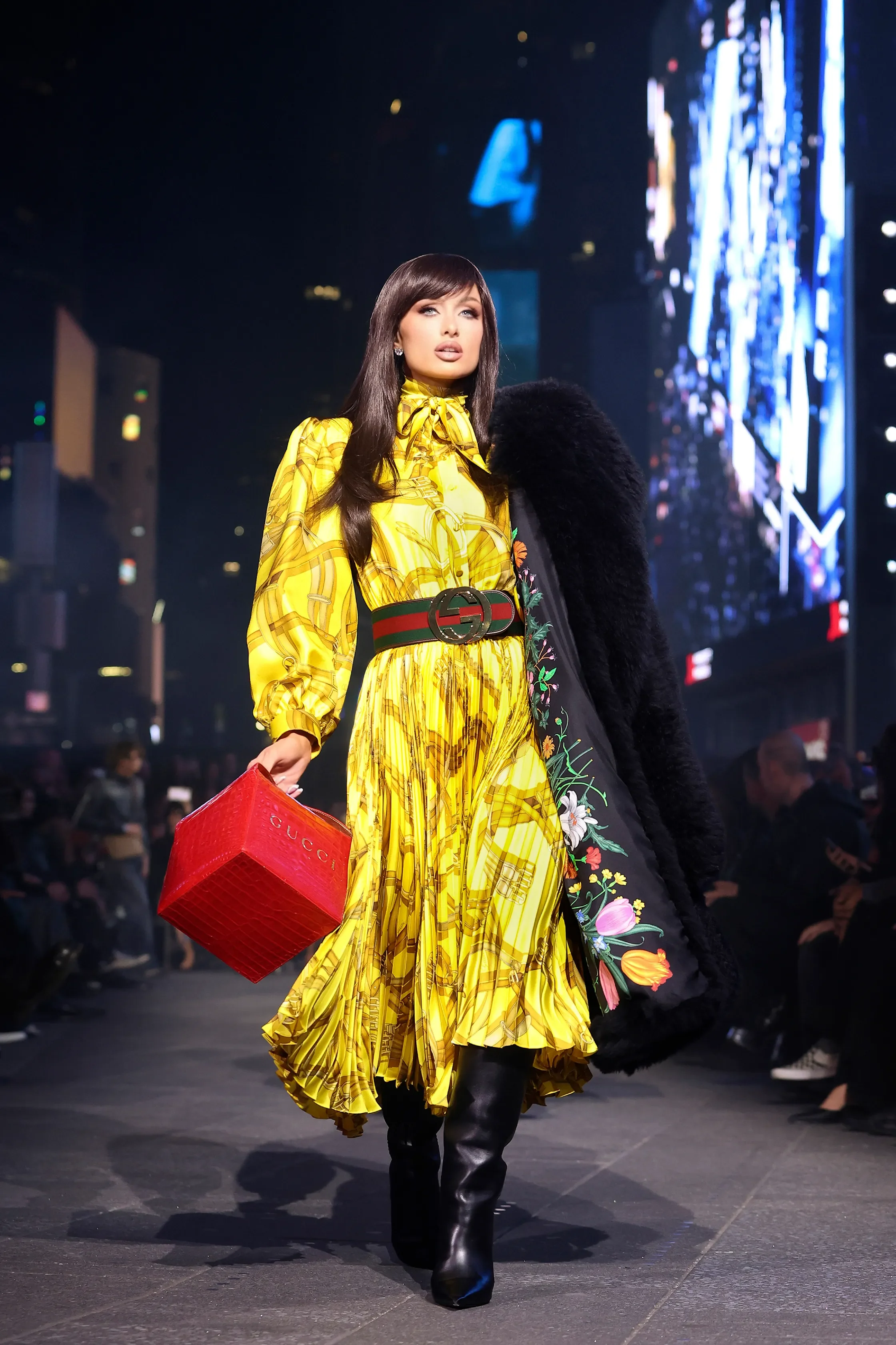
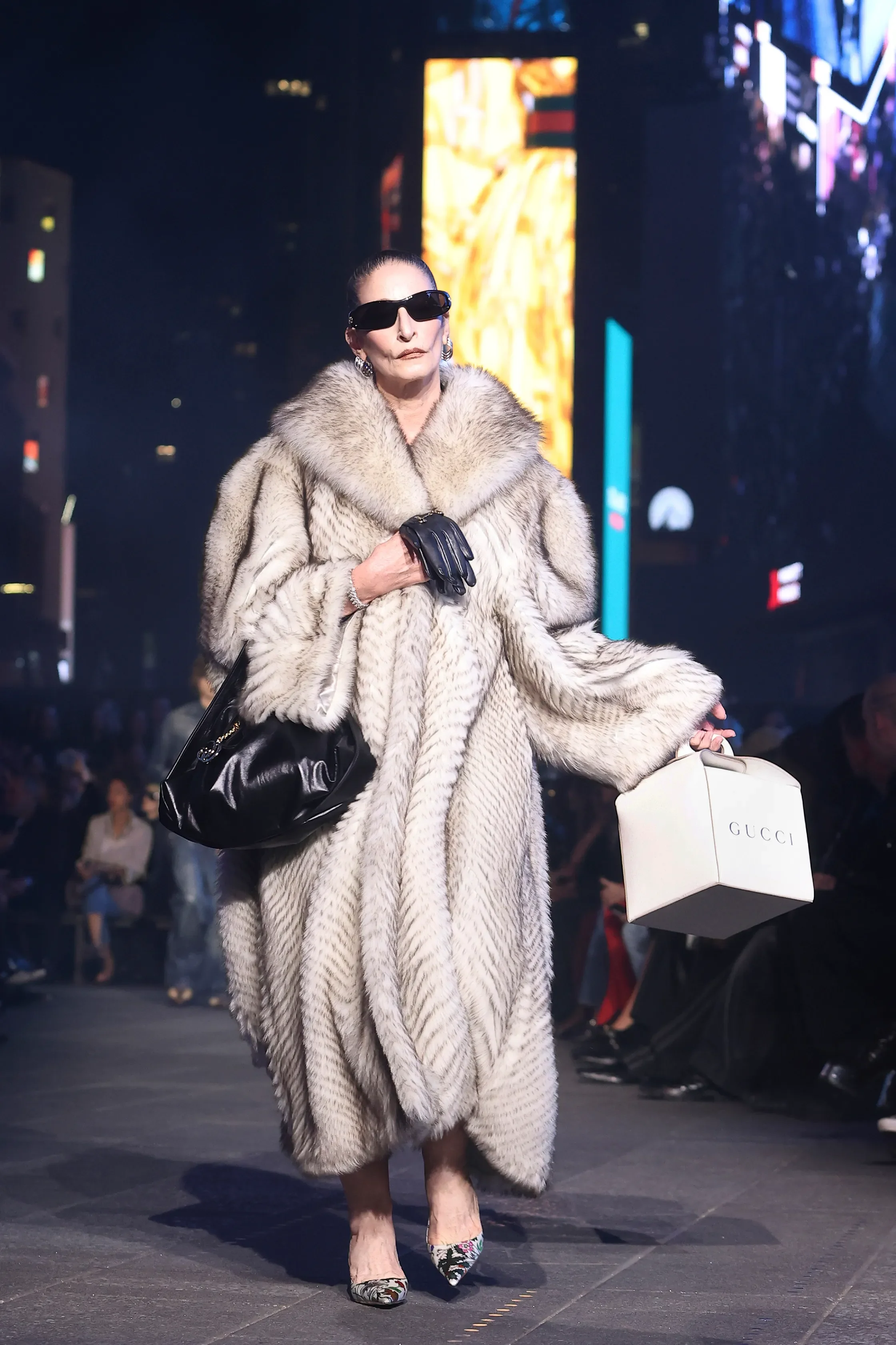
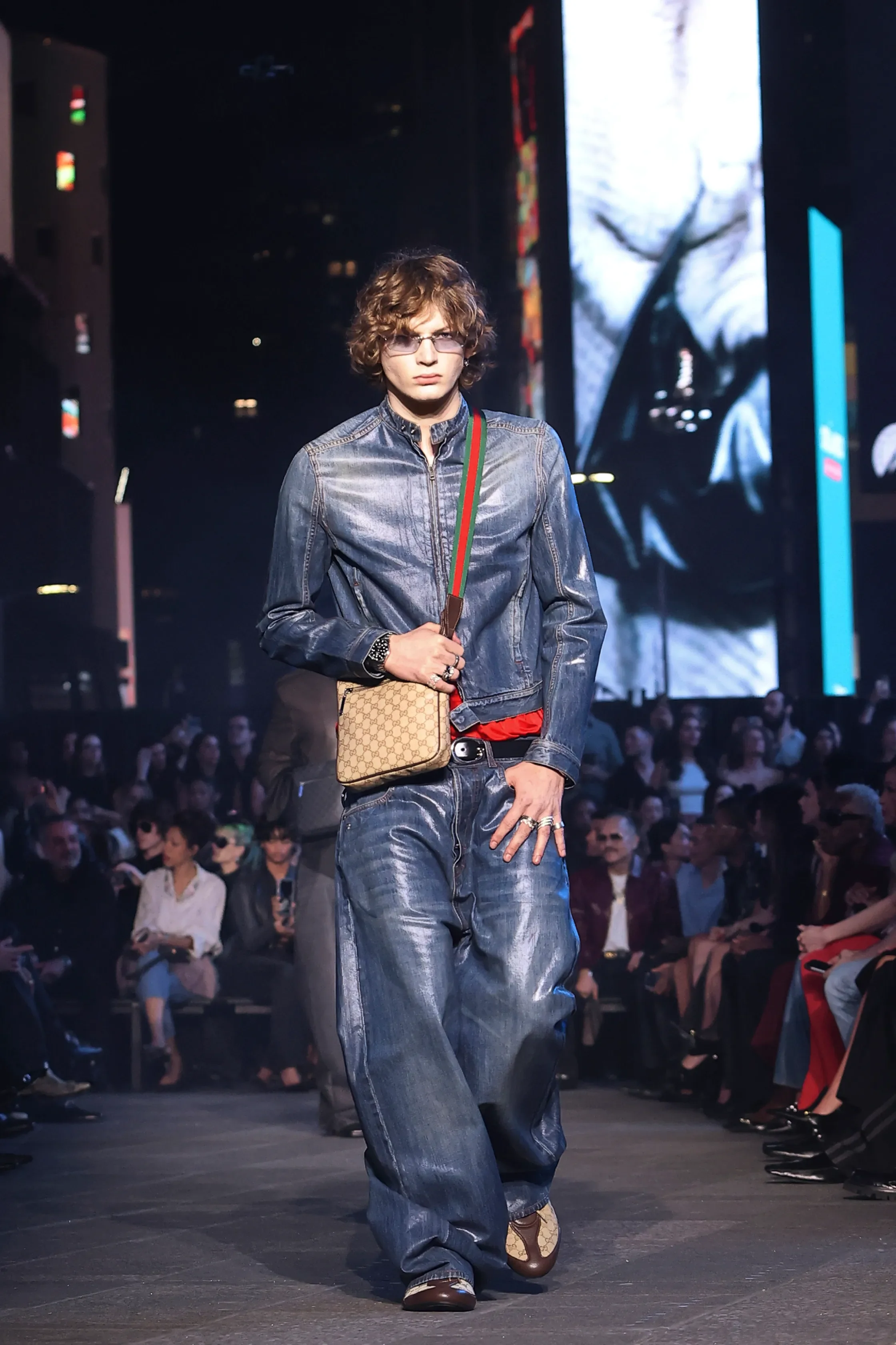
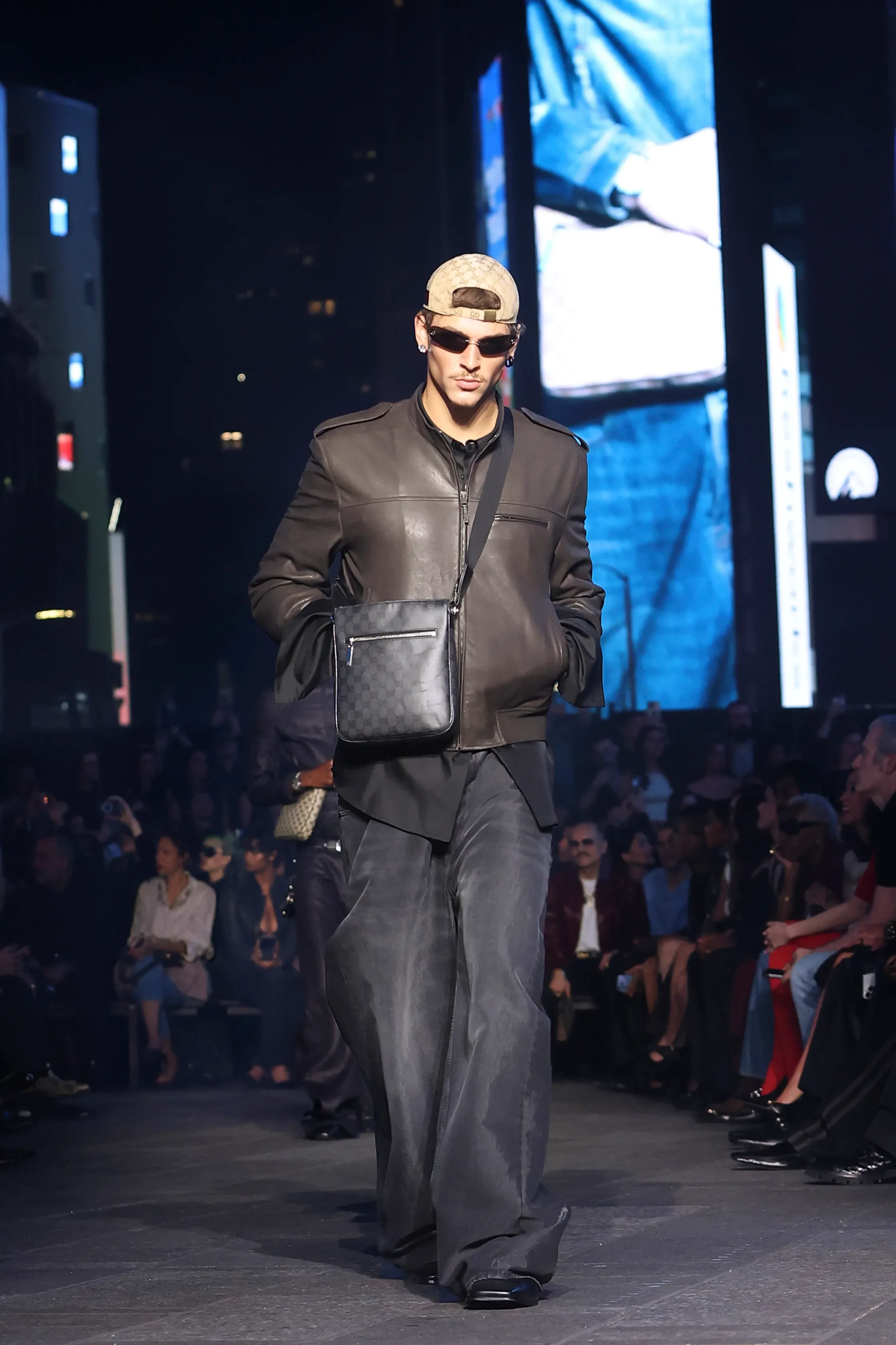
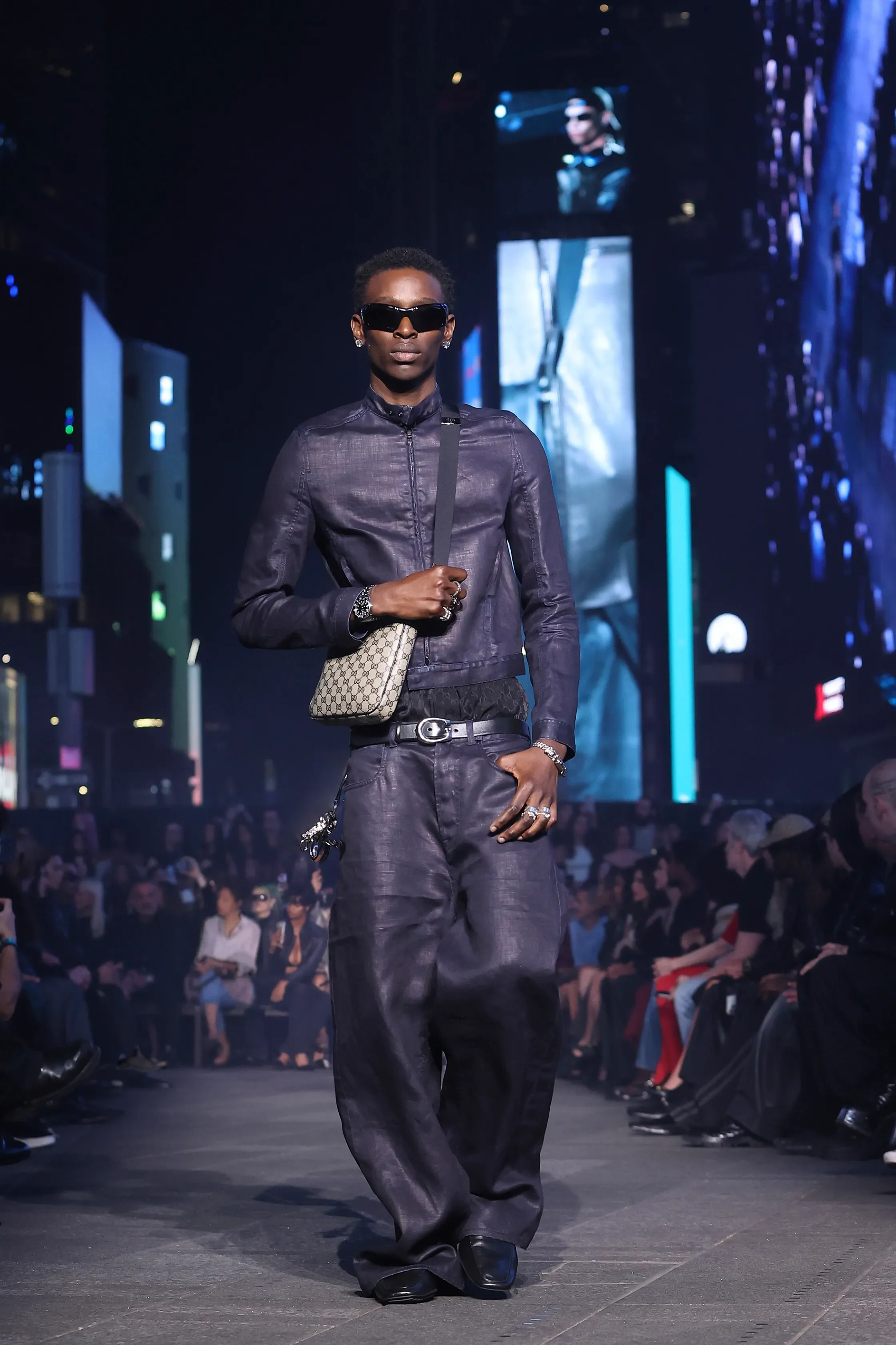
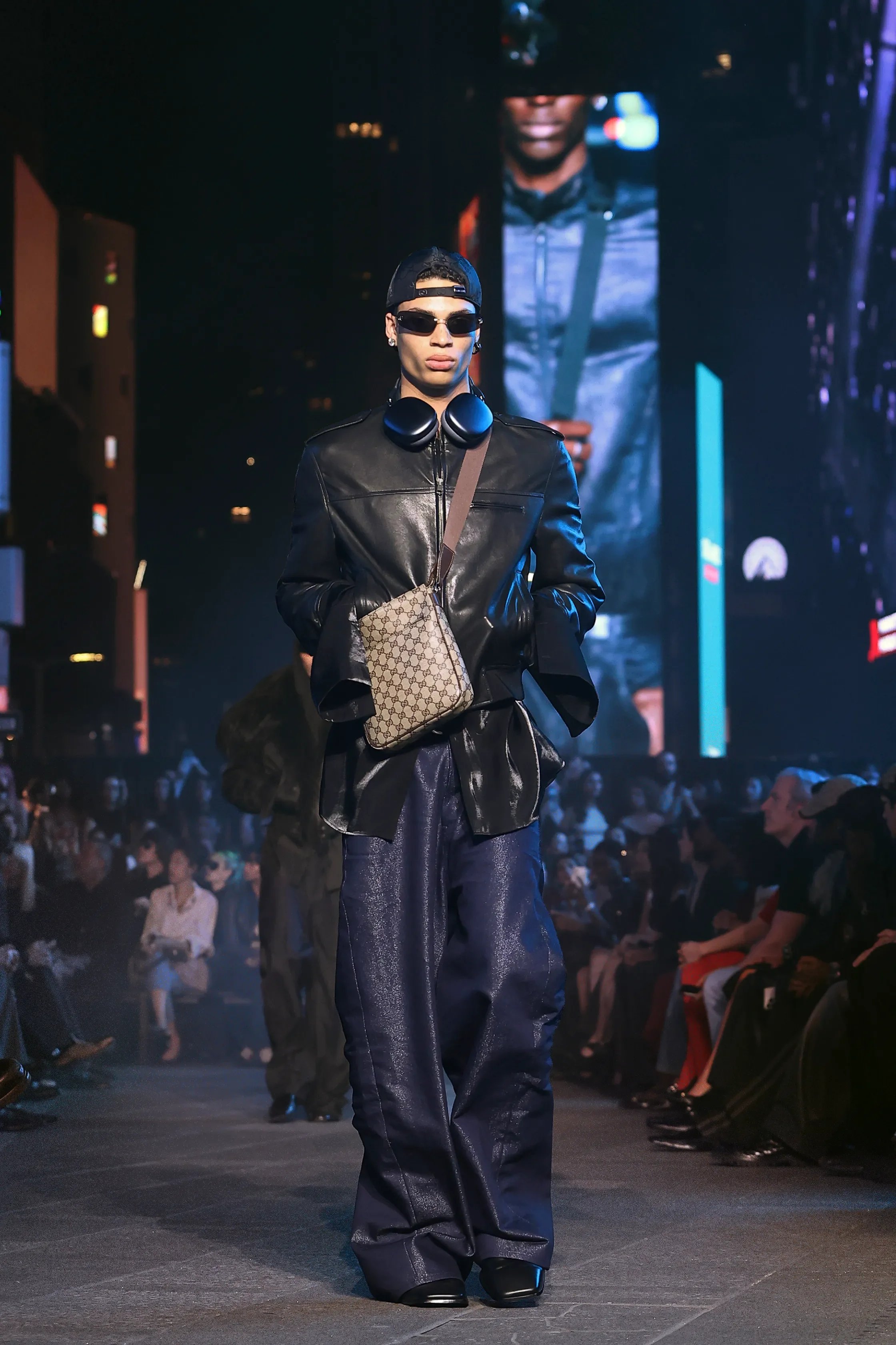
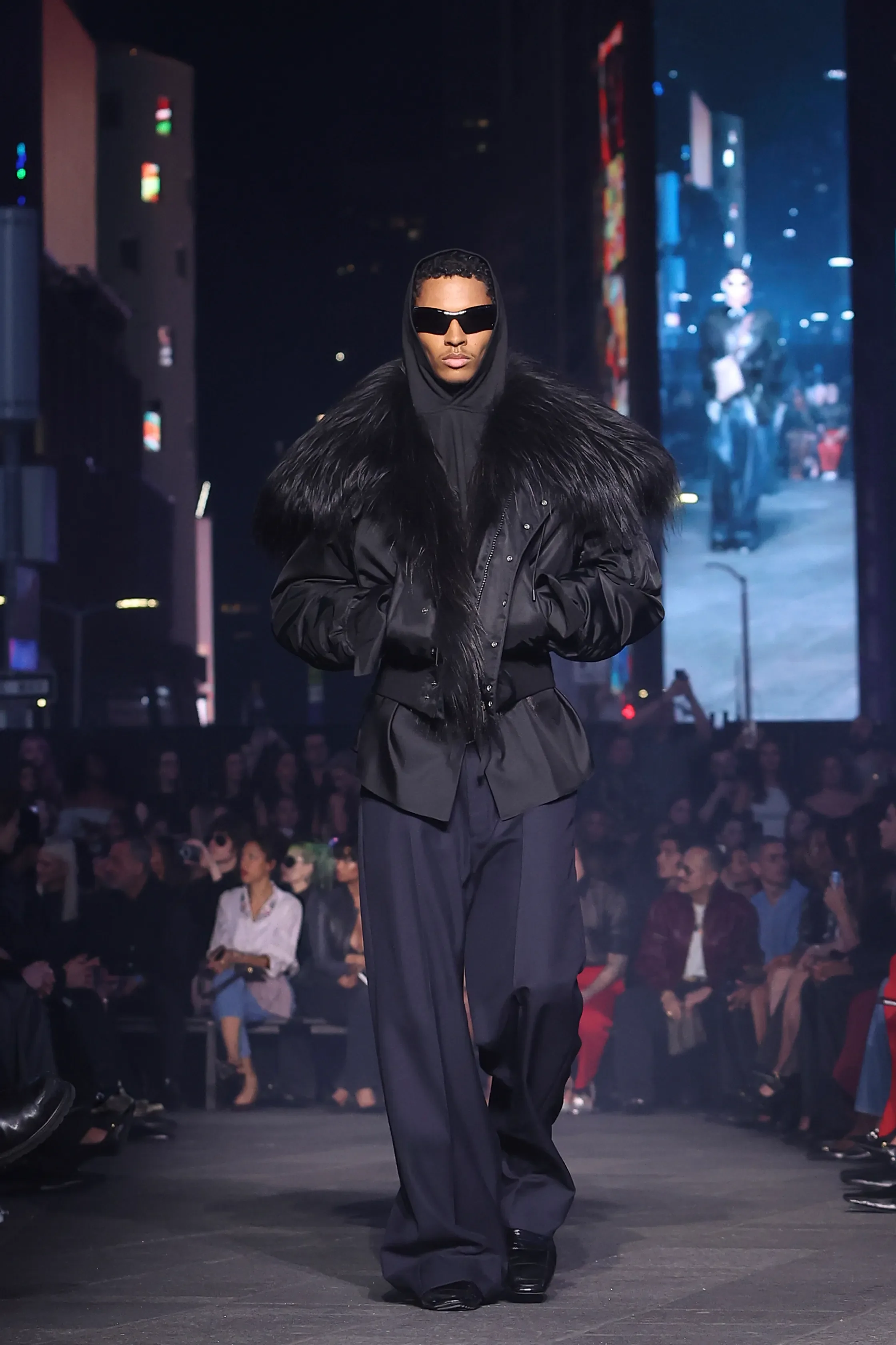
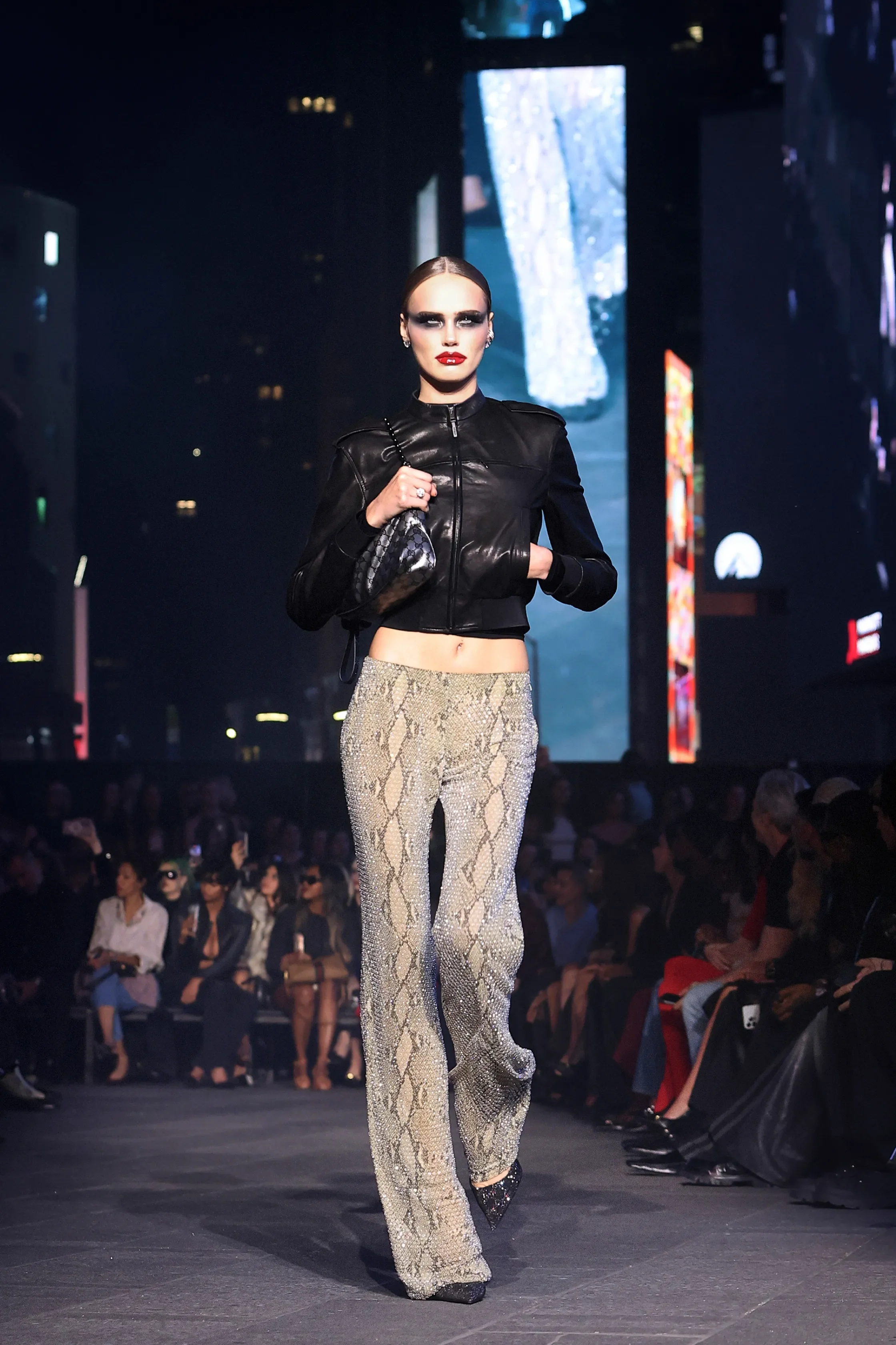
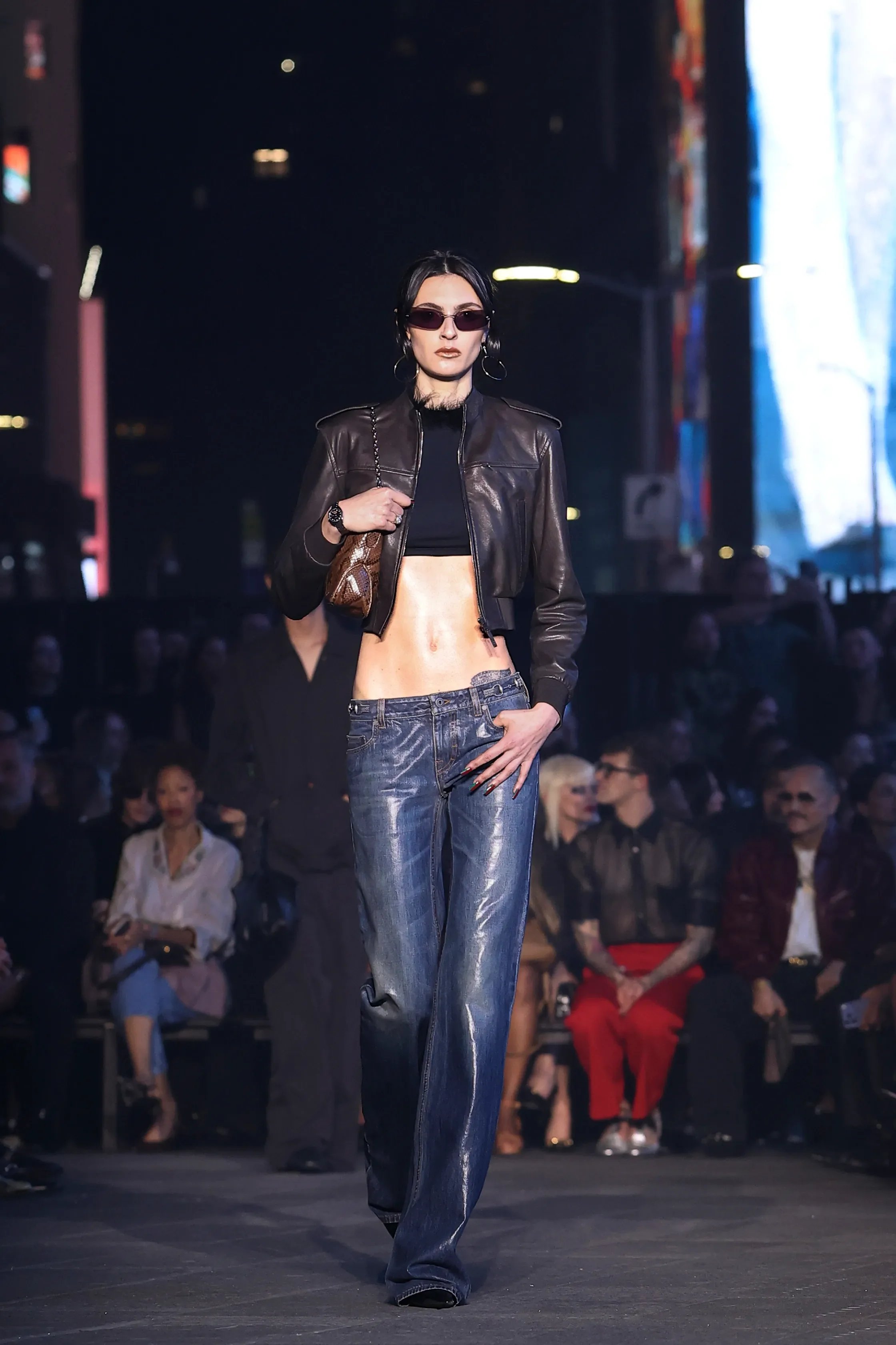
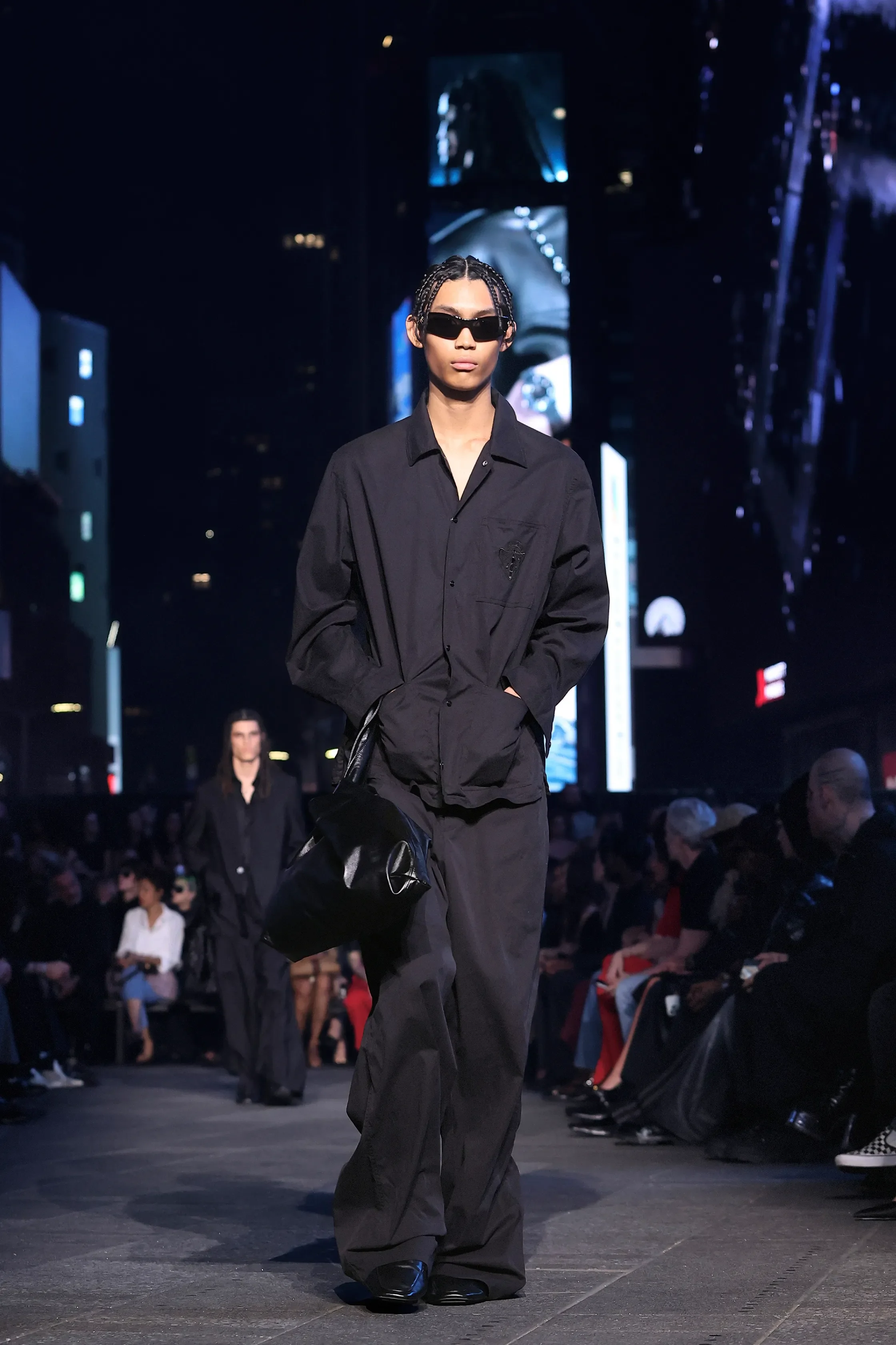
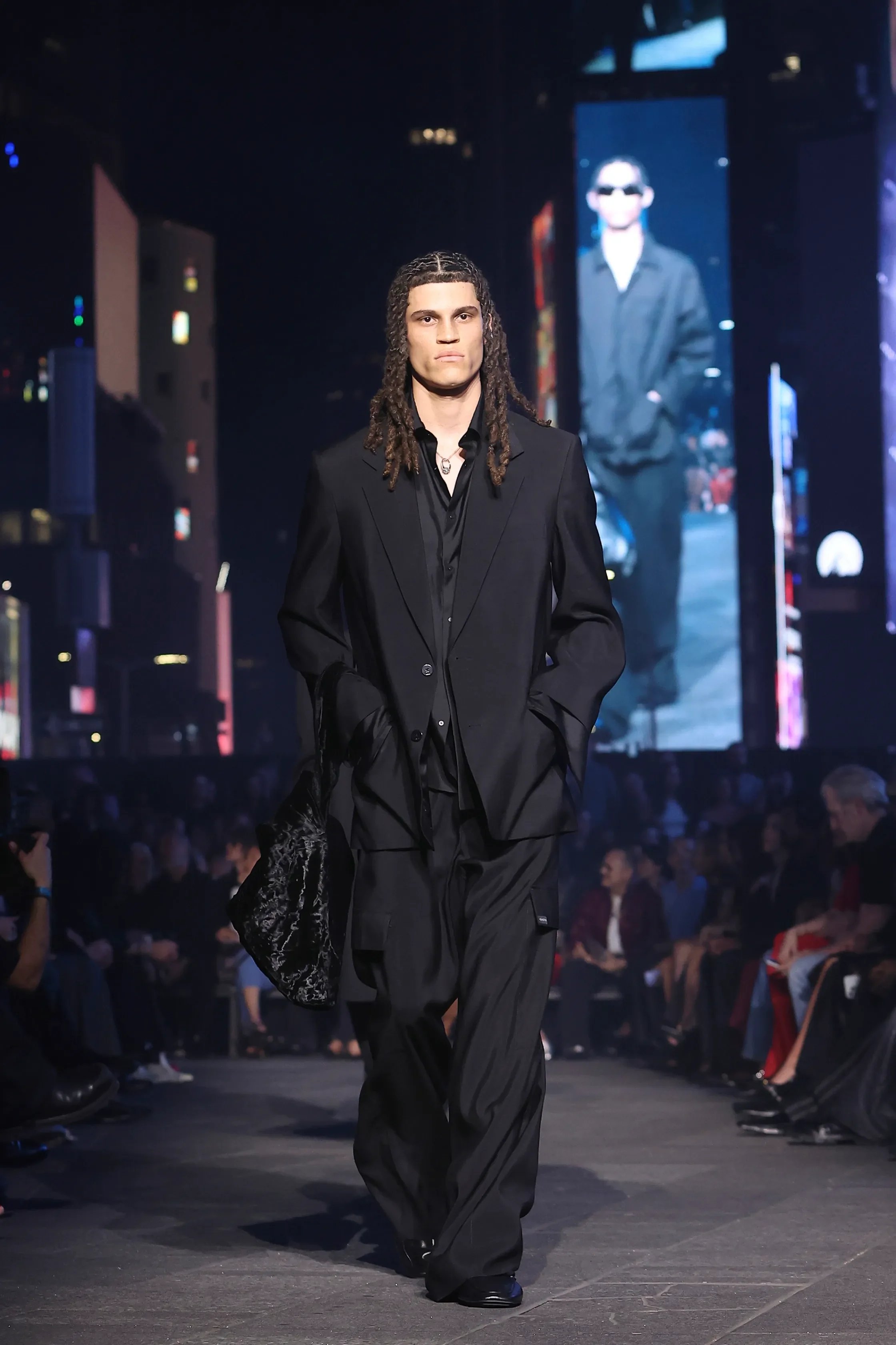
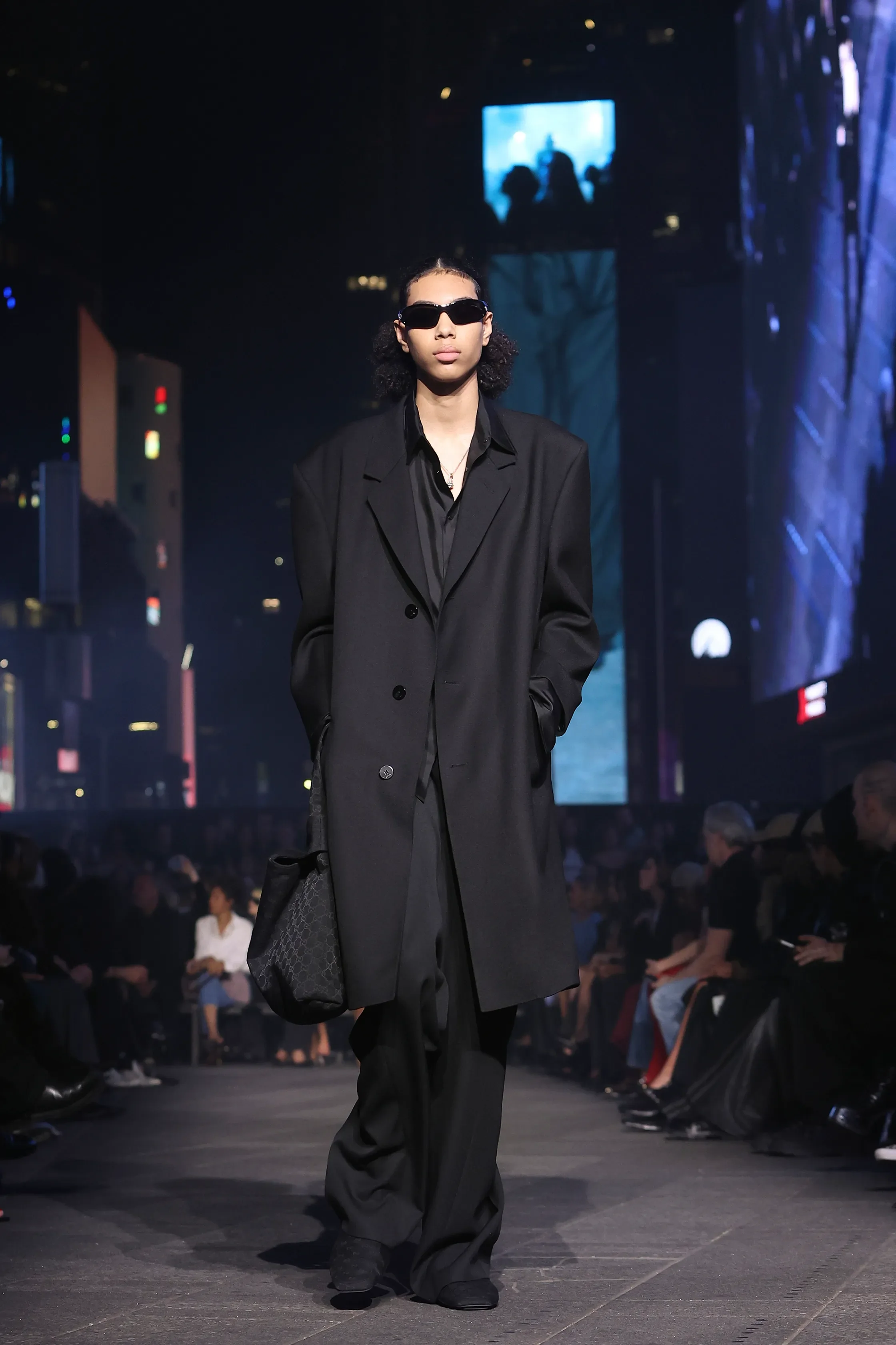
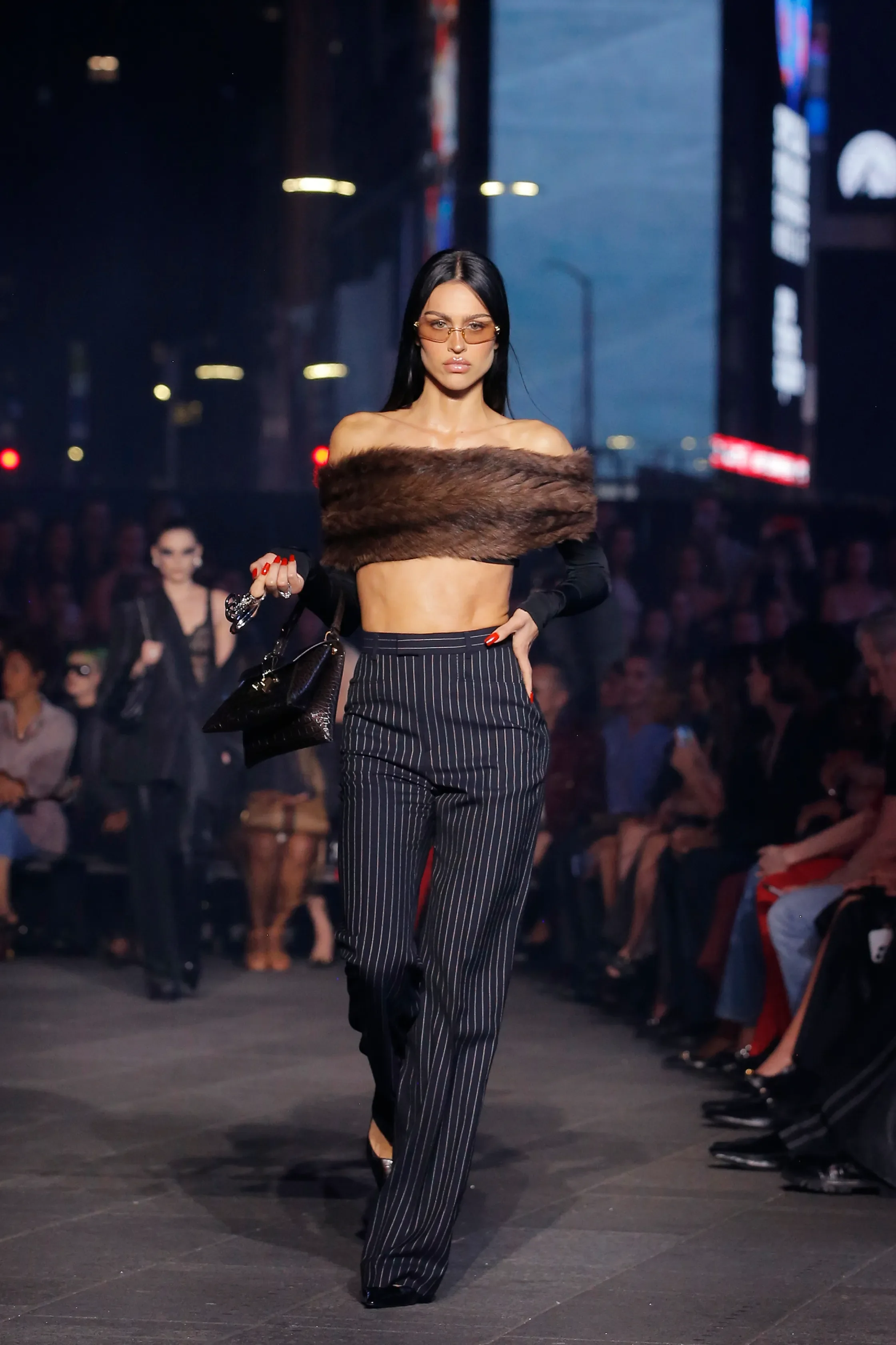
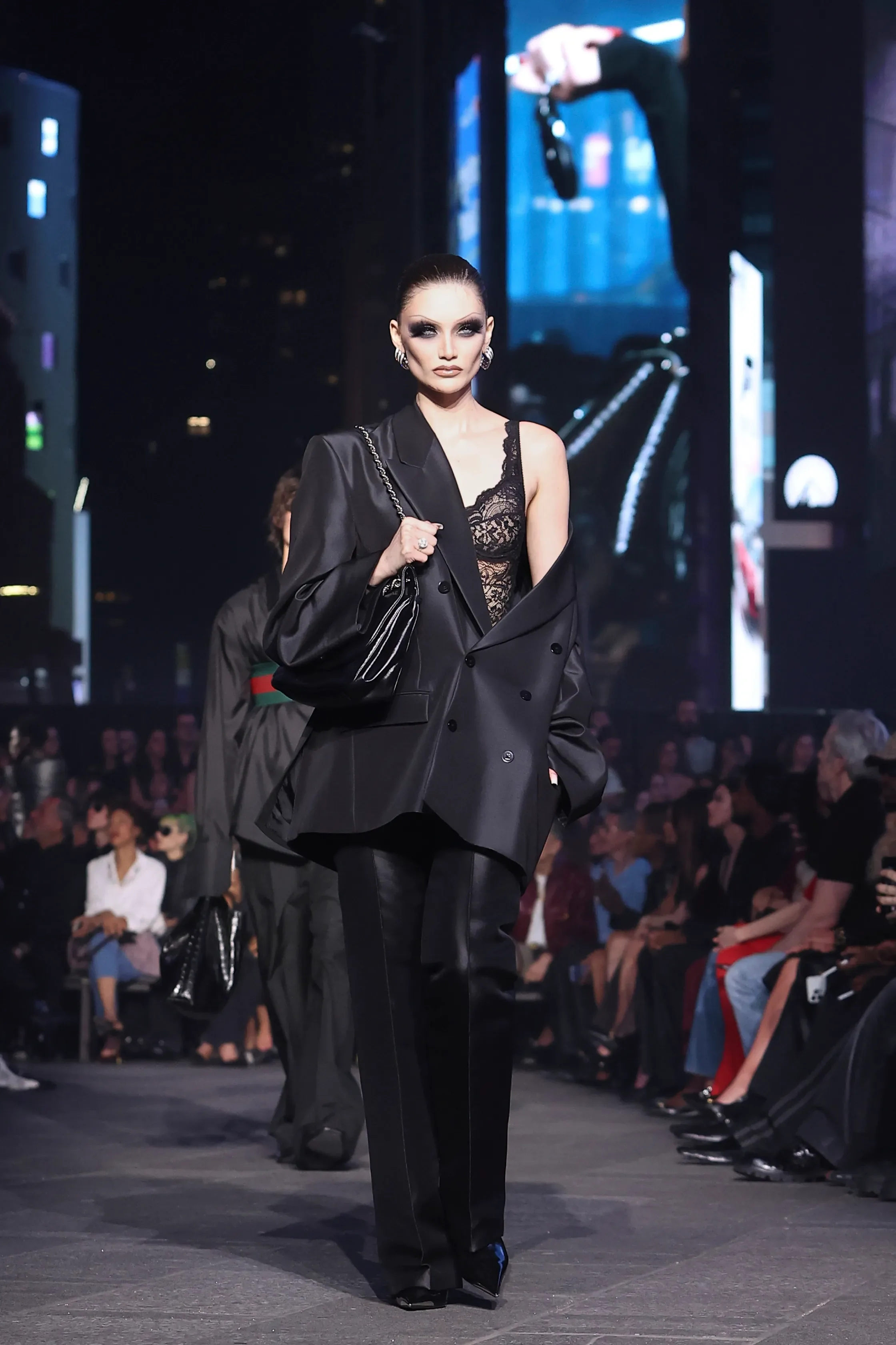
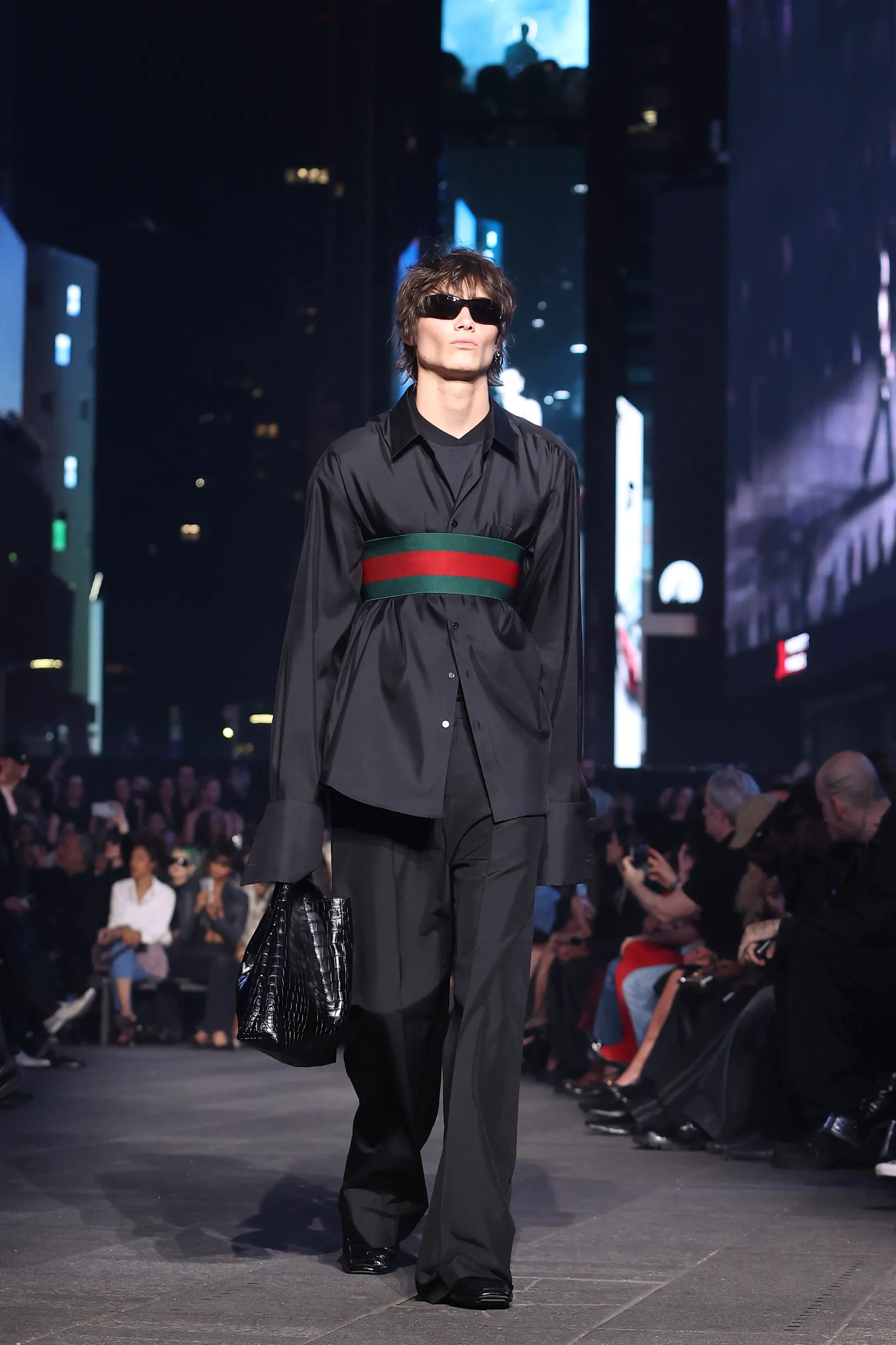
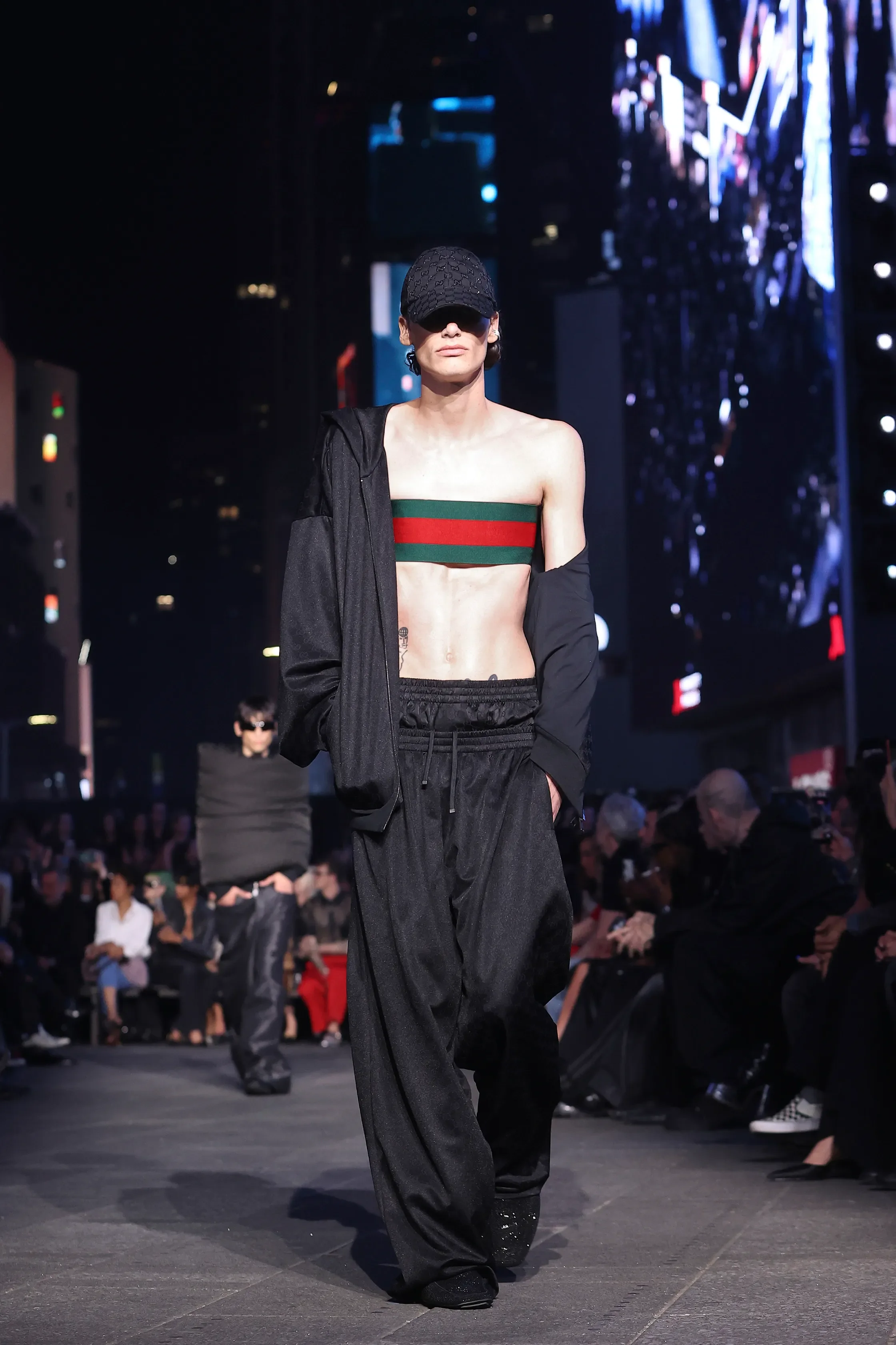
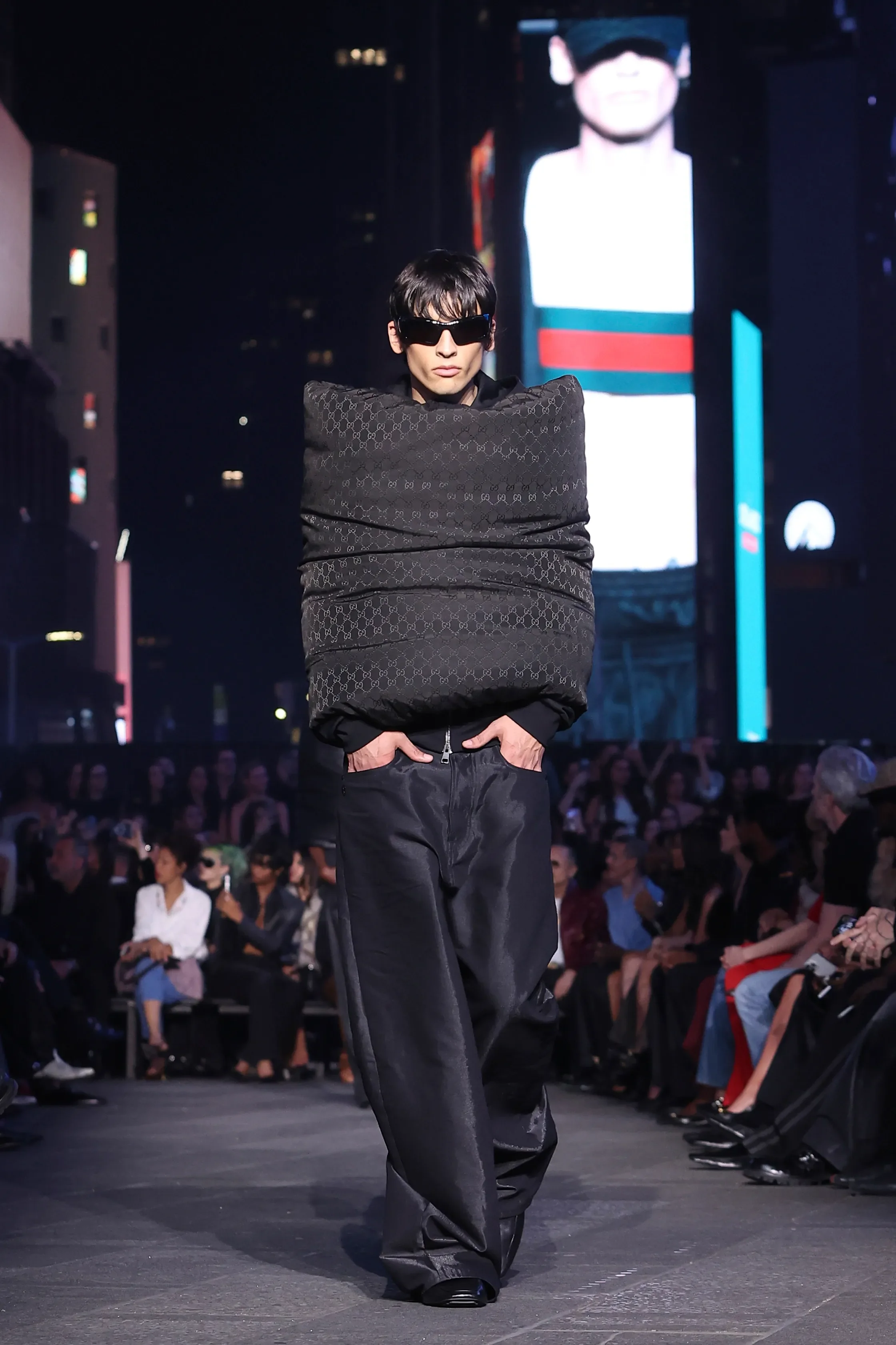
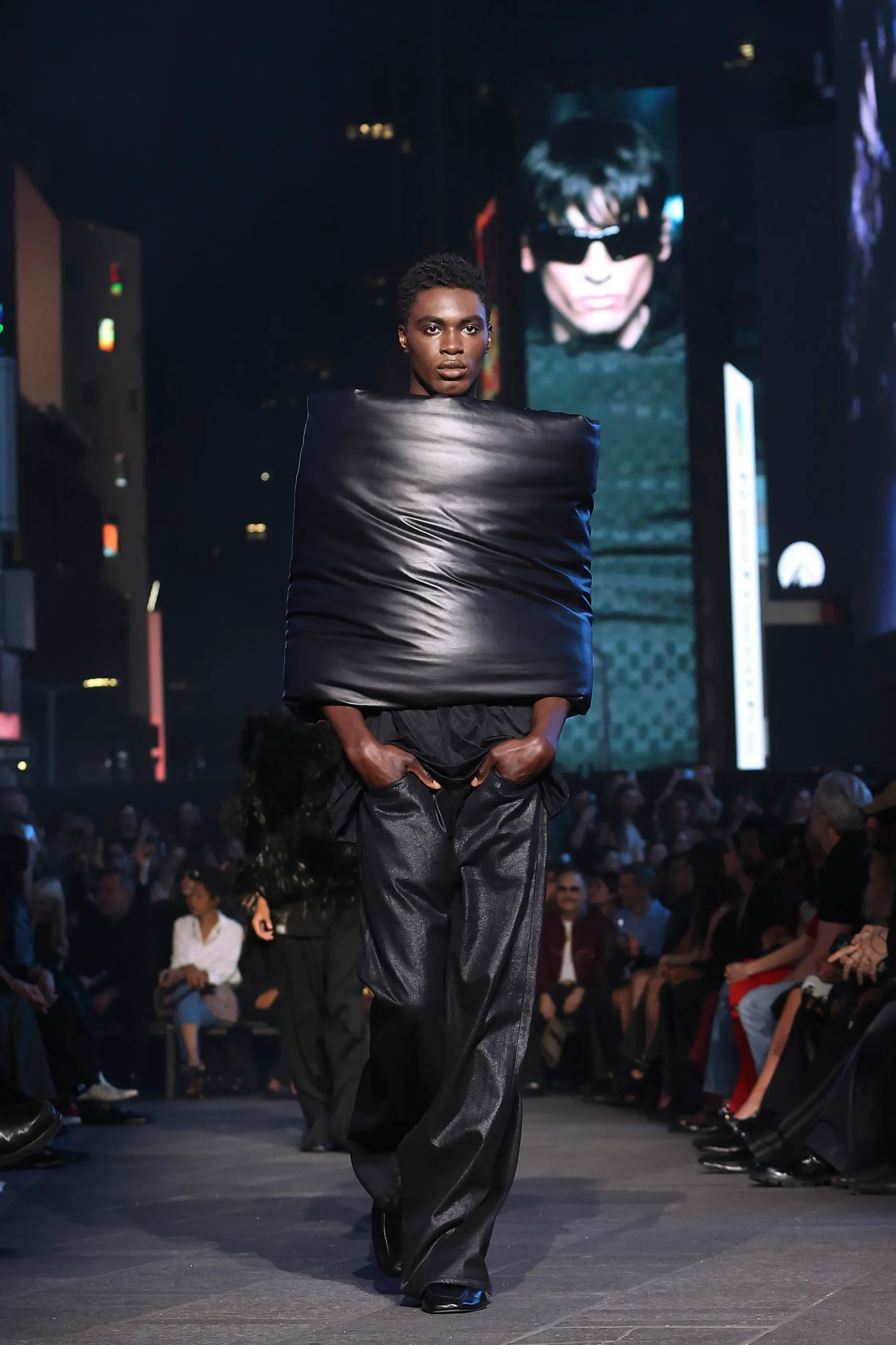
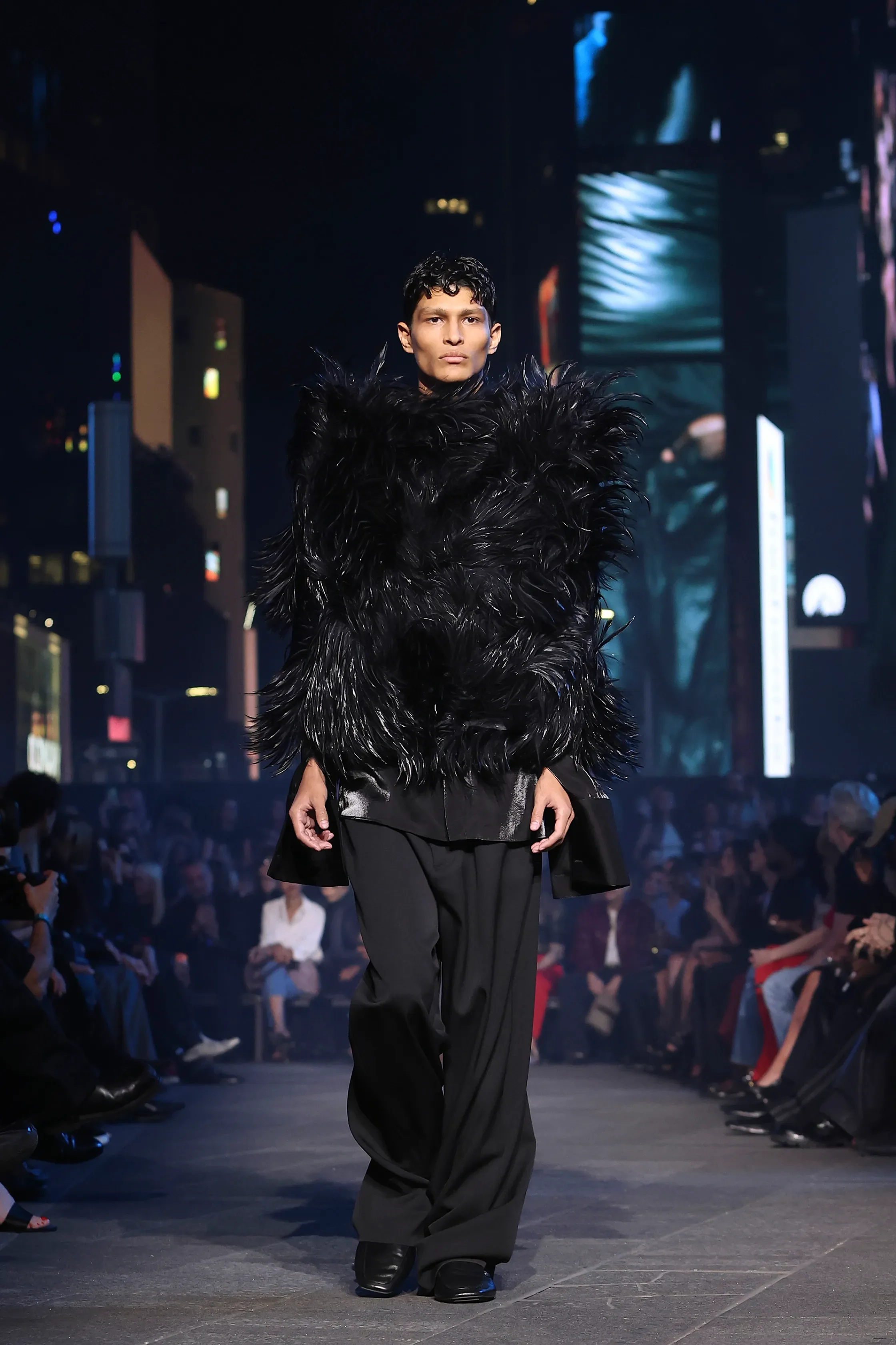
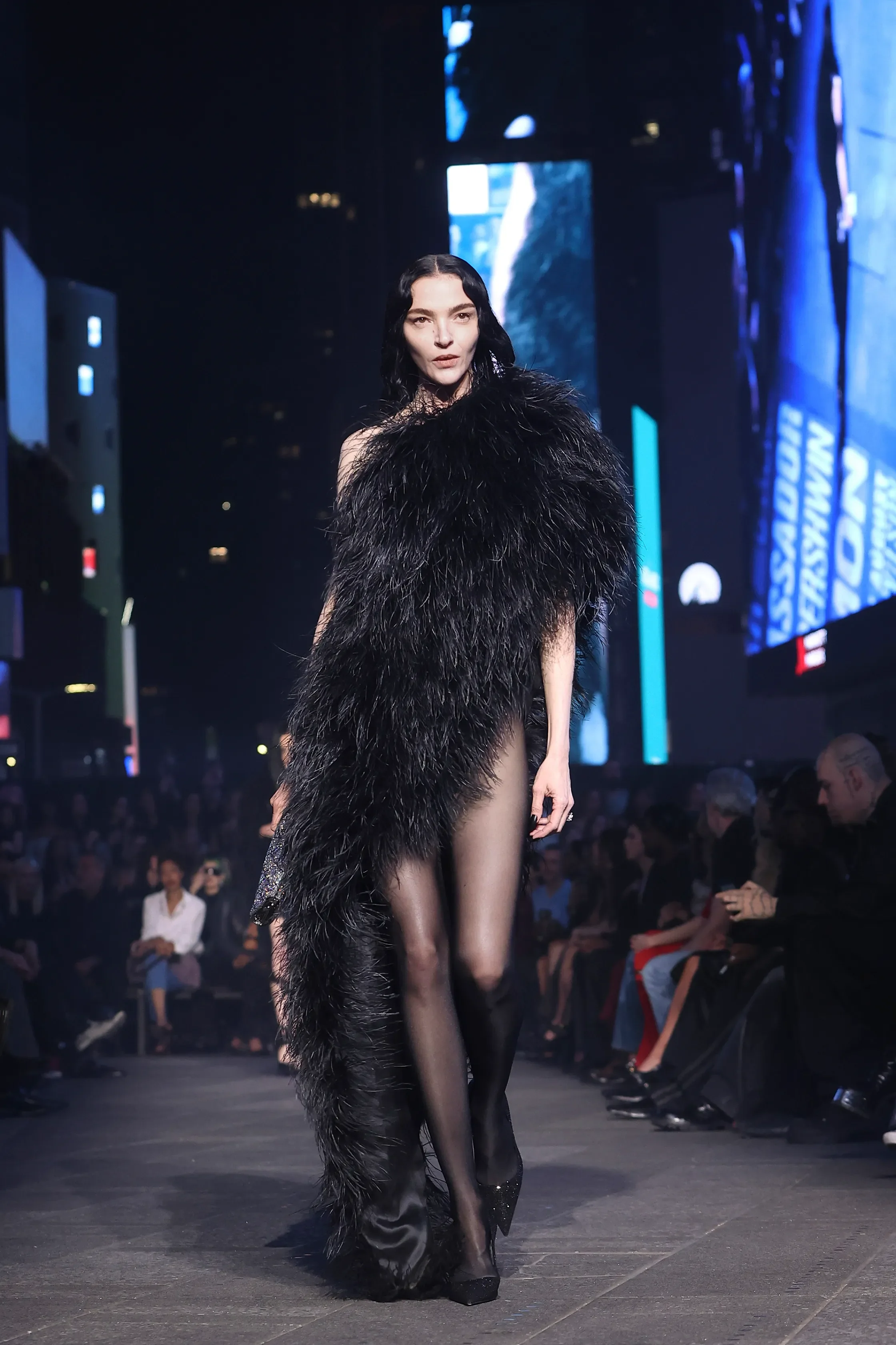
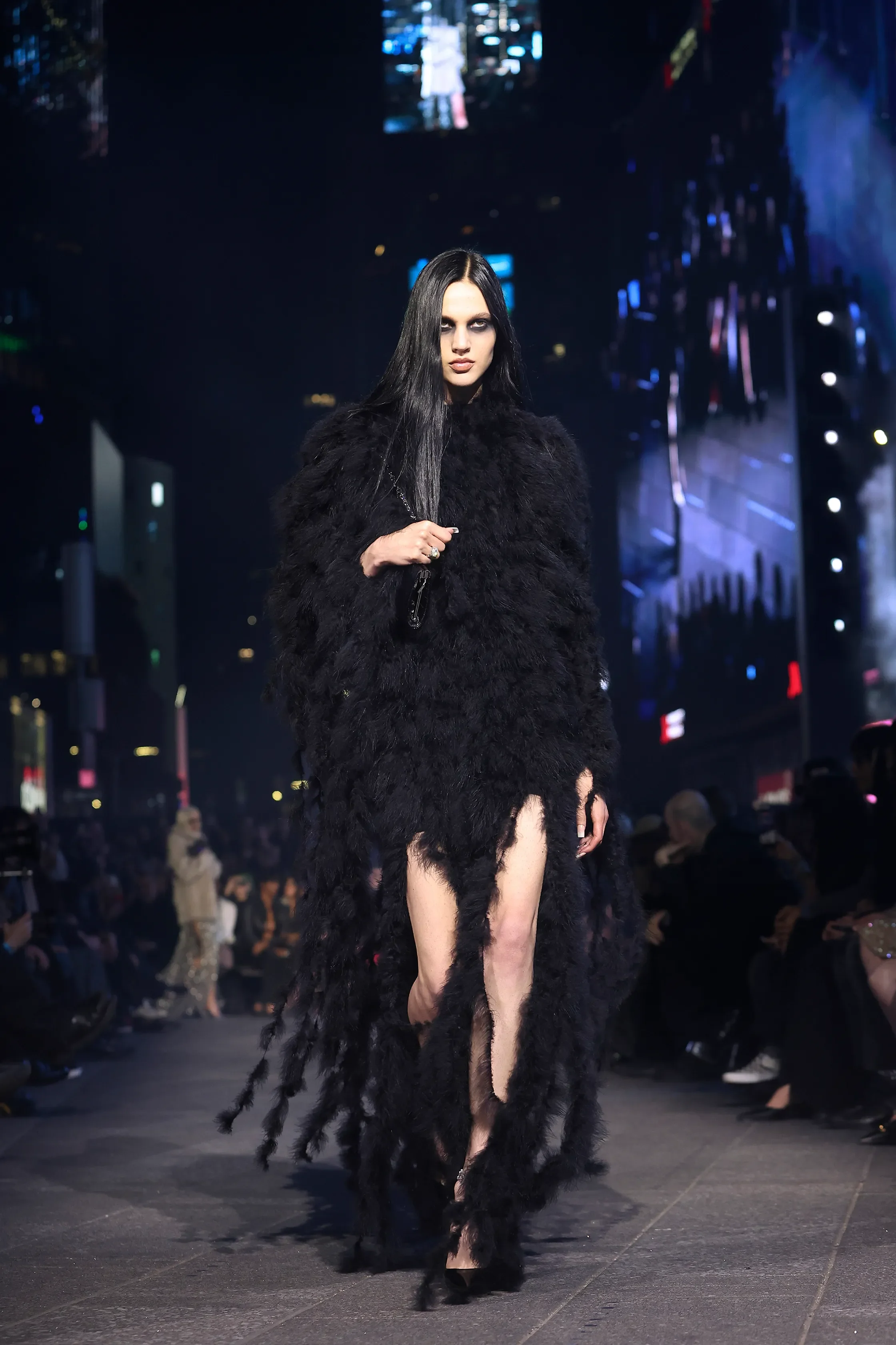
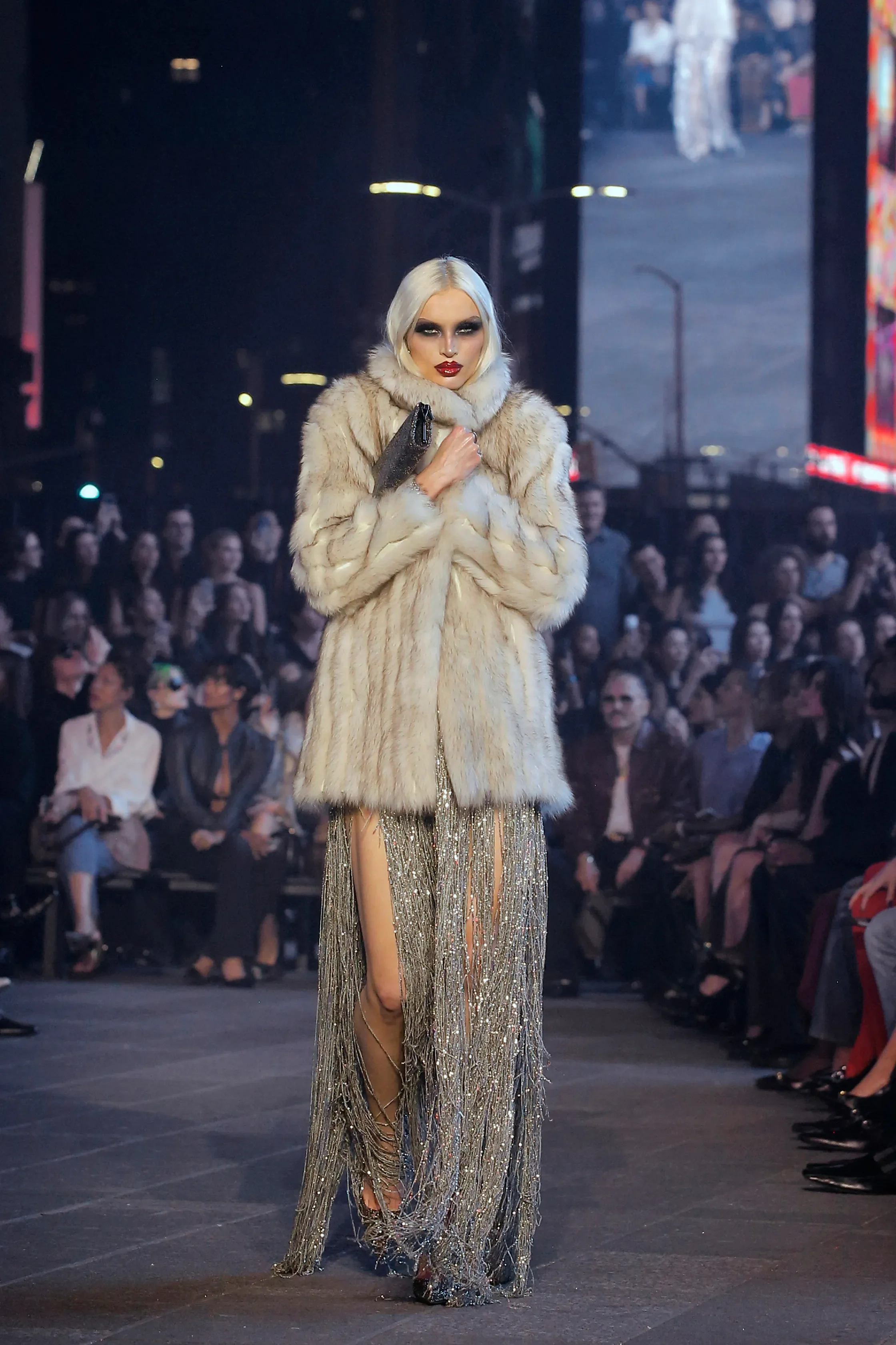
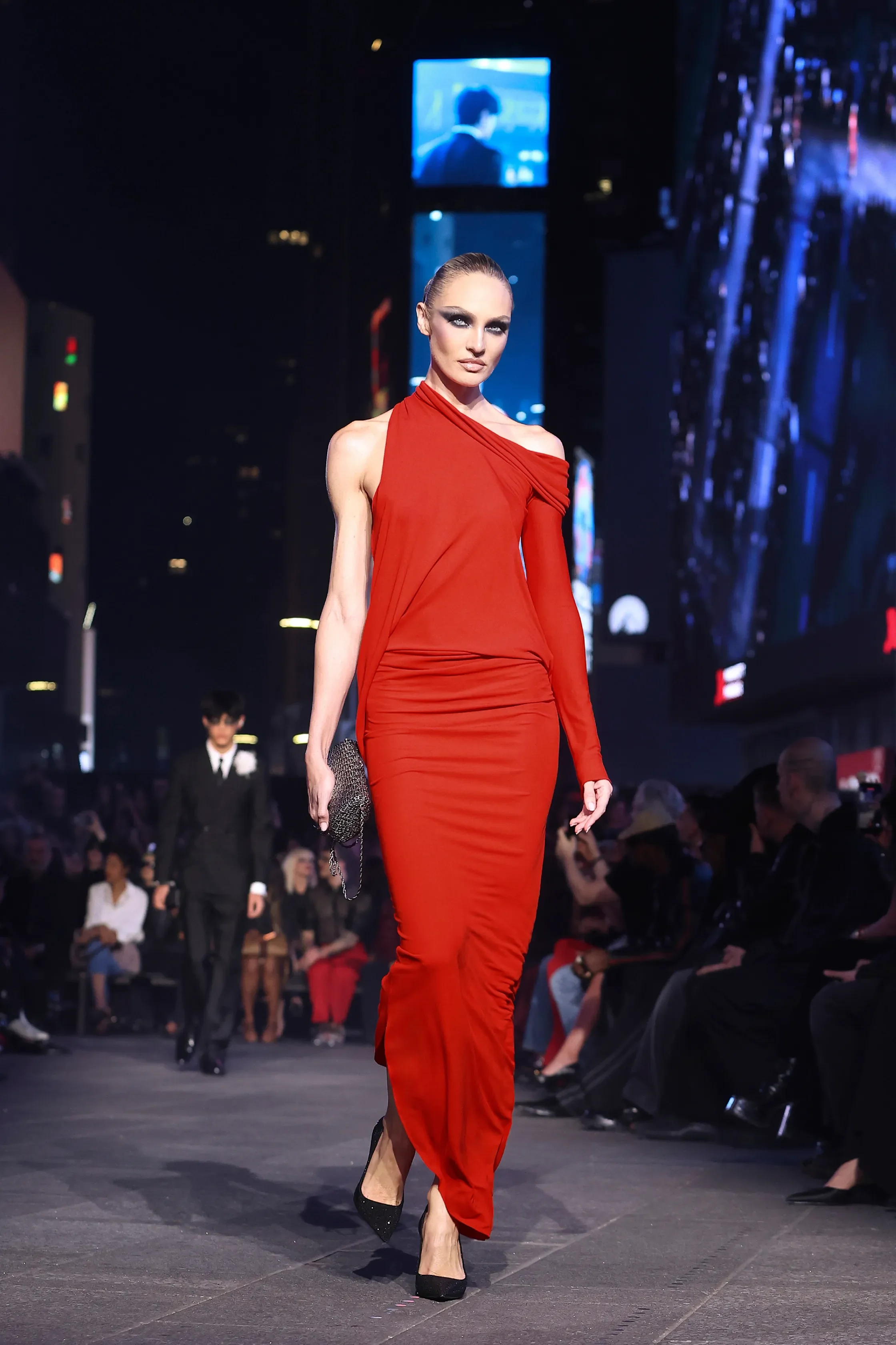
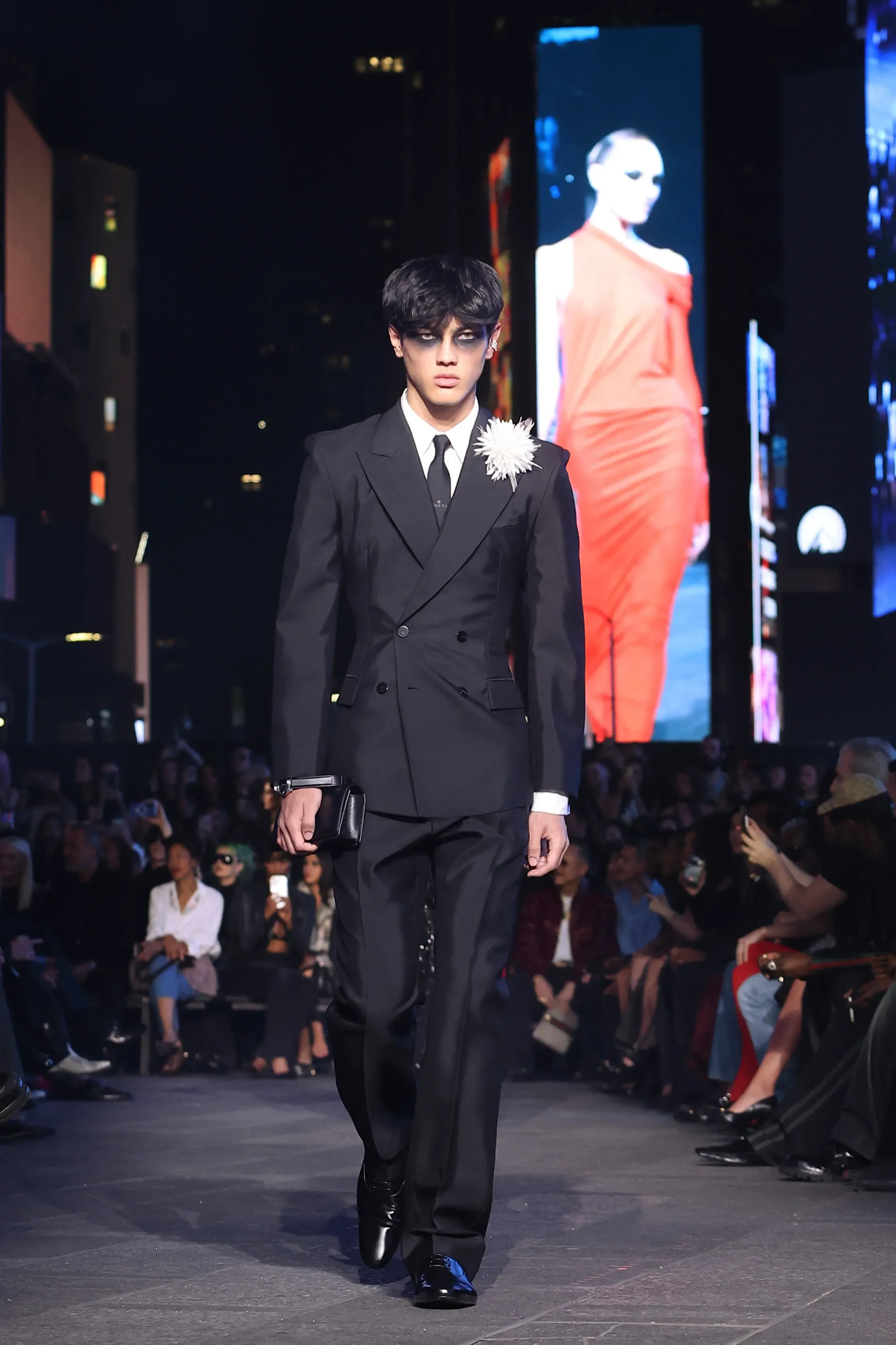
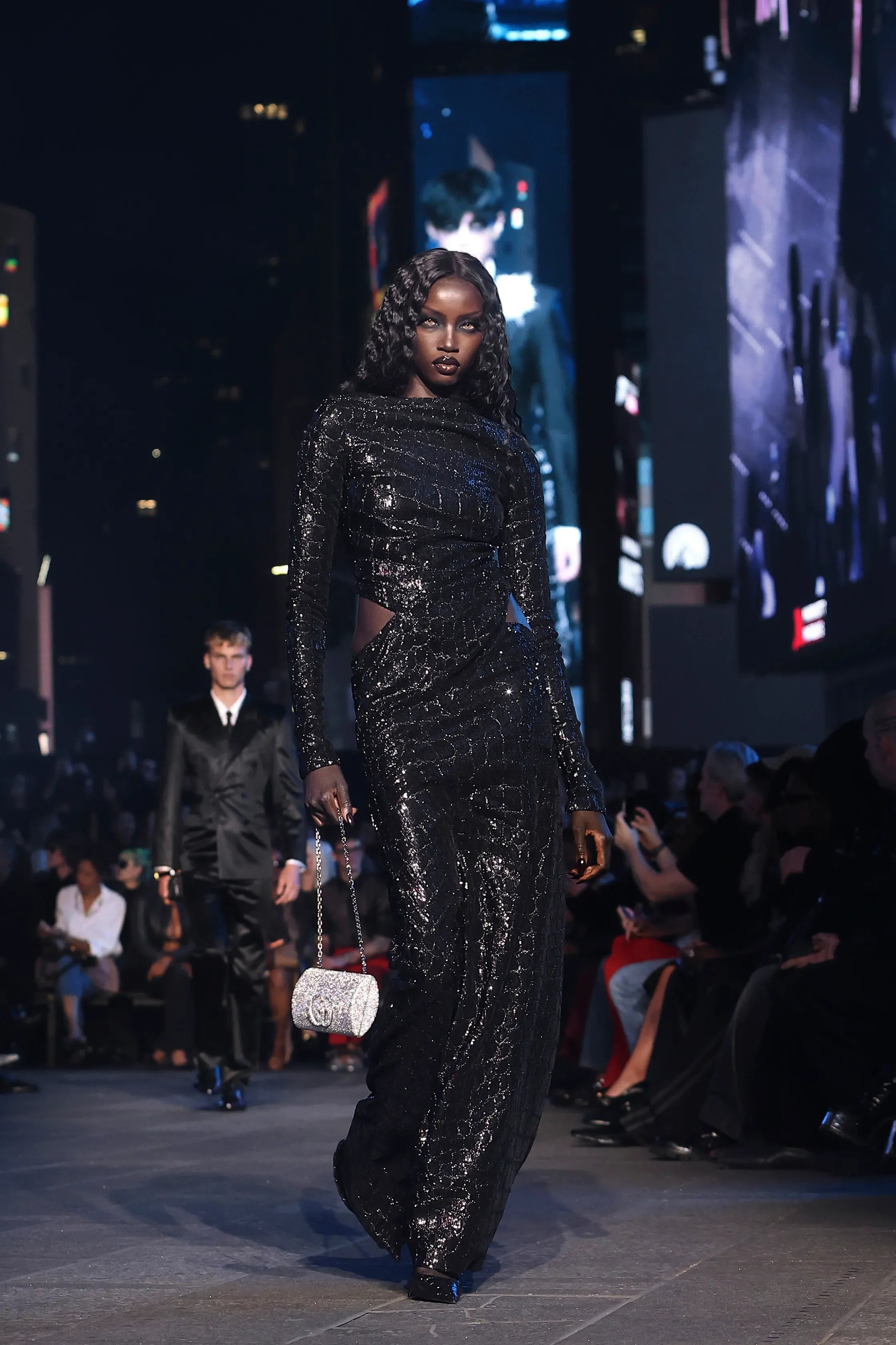
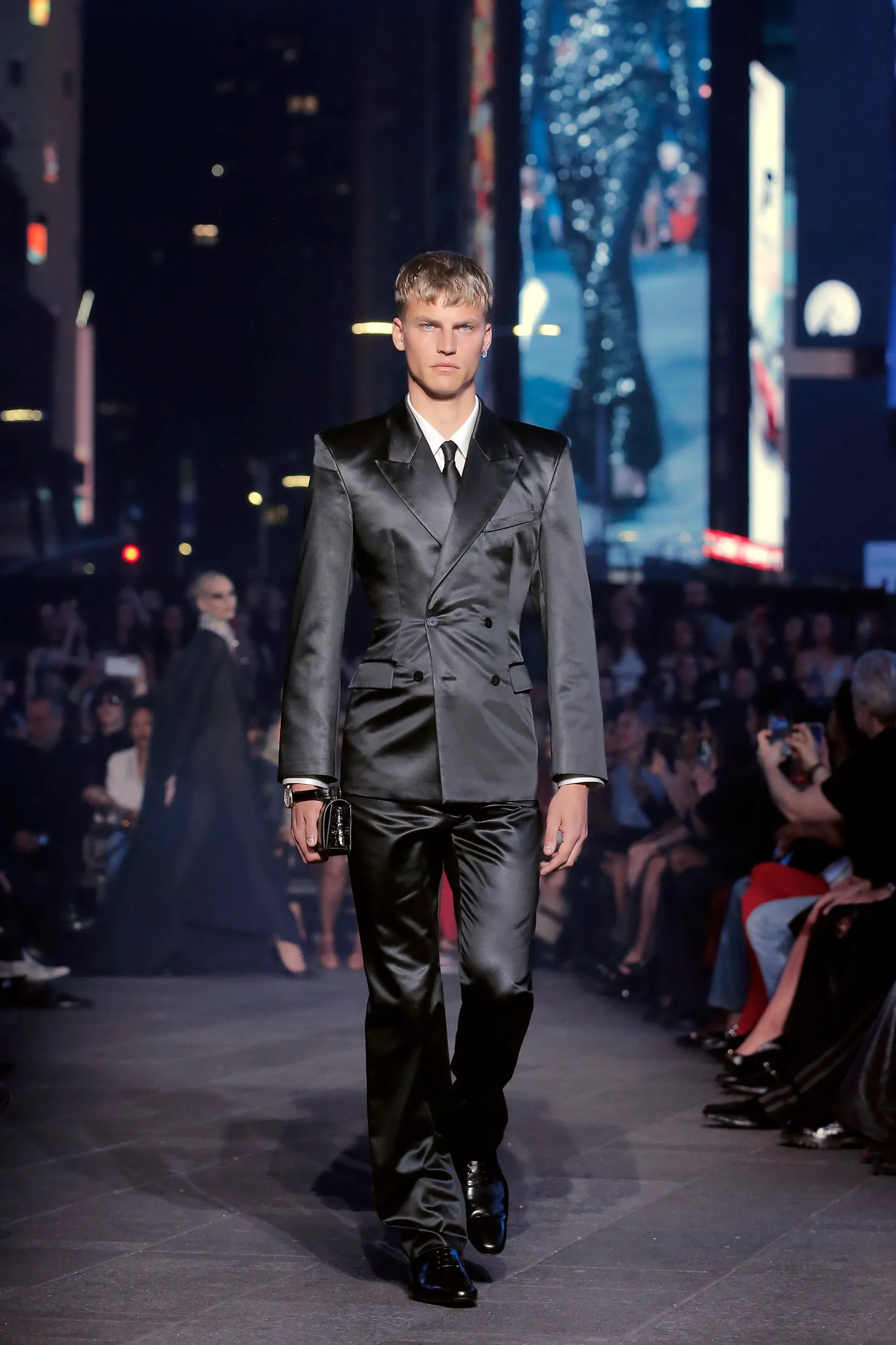
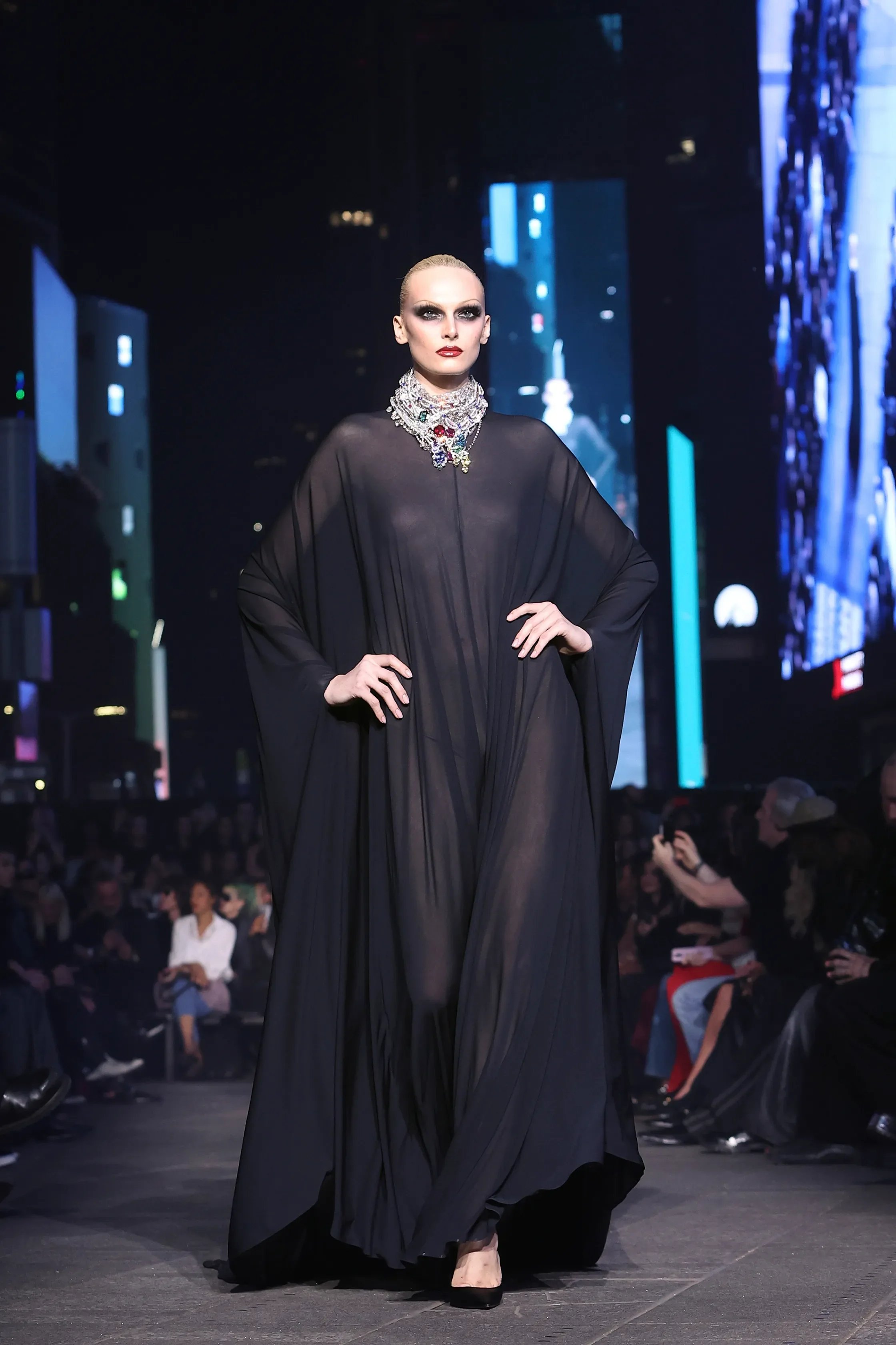
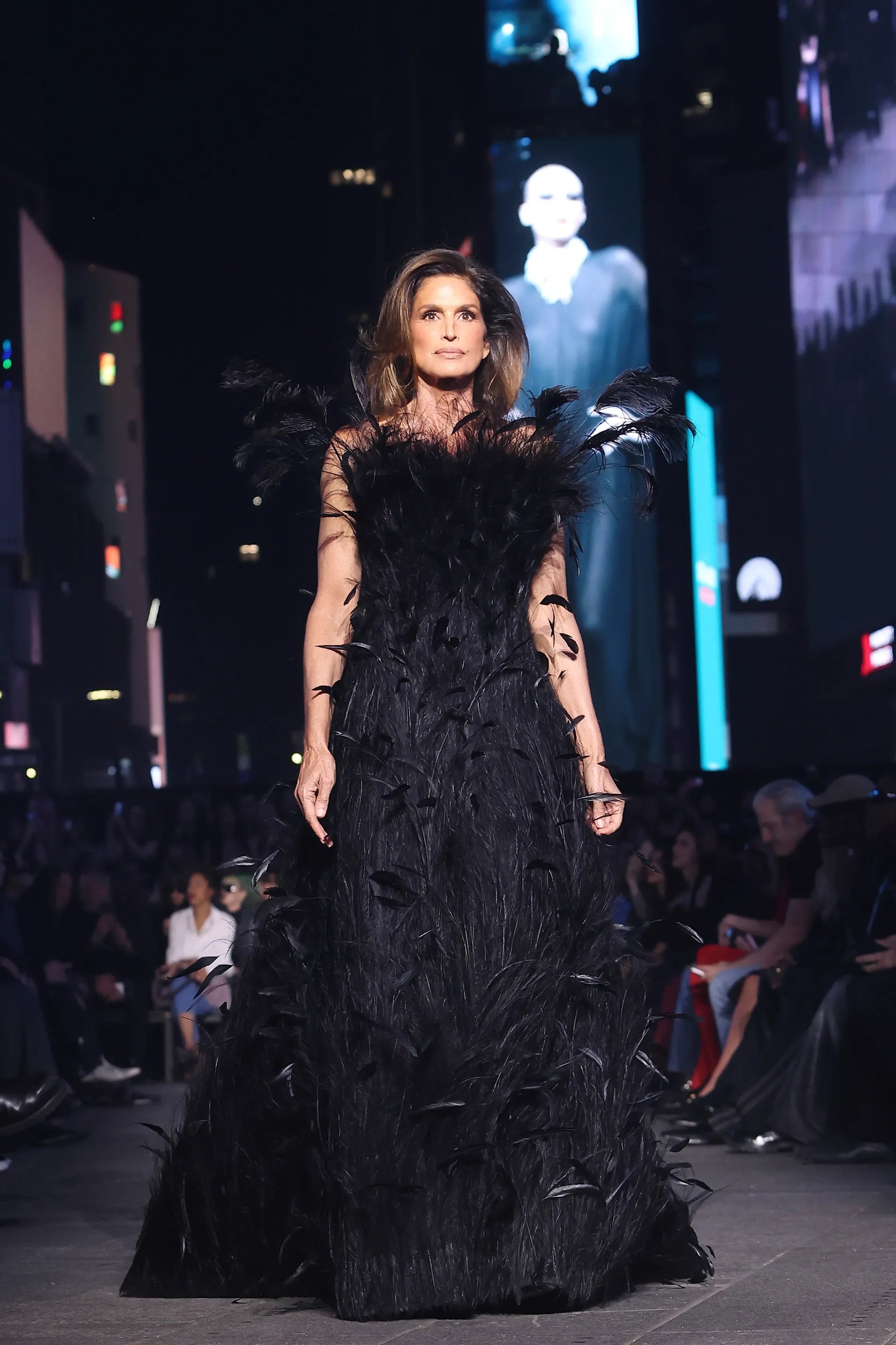

Discover Prophecy Brand, a realm where luxury fashion intertwines seamlessly with profound spirituality. More than a brand, we are a creative powerhouse propelling groundbreaking marketing and publicity campaigns. Immerse yourself in our meticulously curated content, a harmonious blend of timeless elegance and narratives that resonate deeply. Embark on a journey with us towards the fashion future.