
When Fashion Stopped Leading
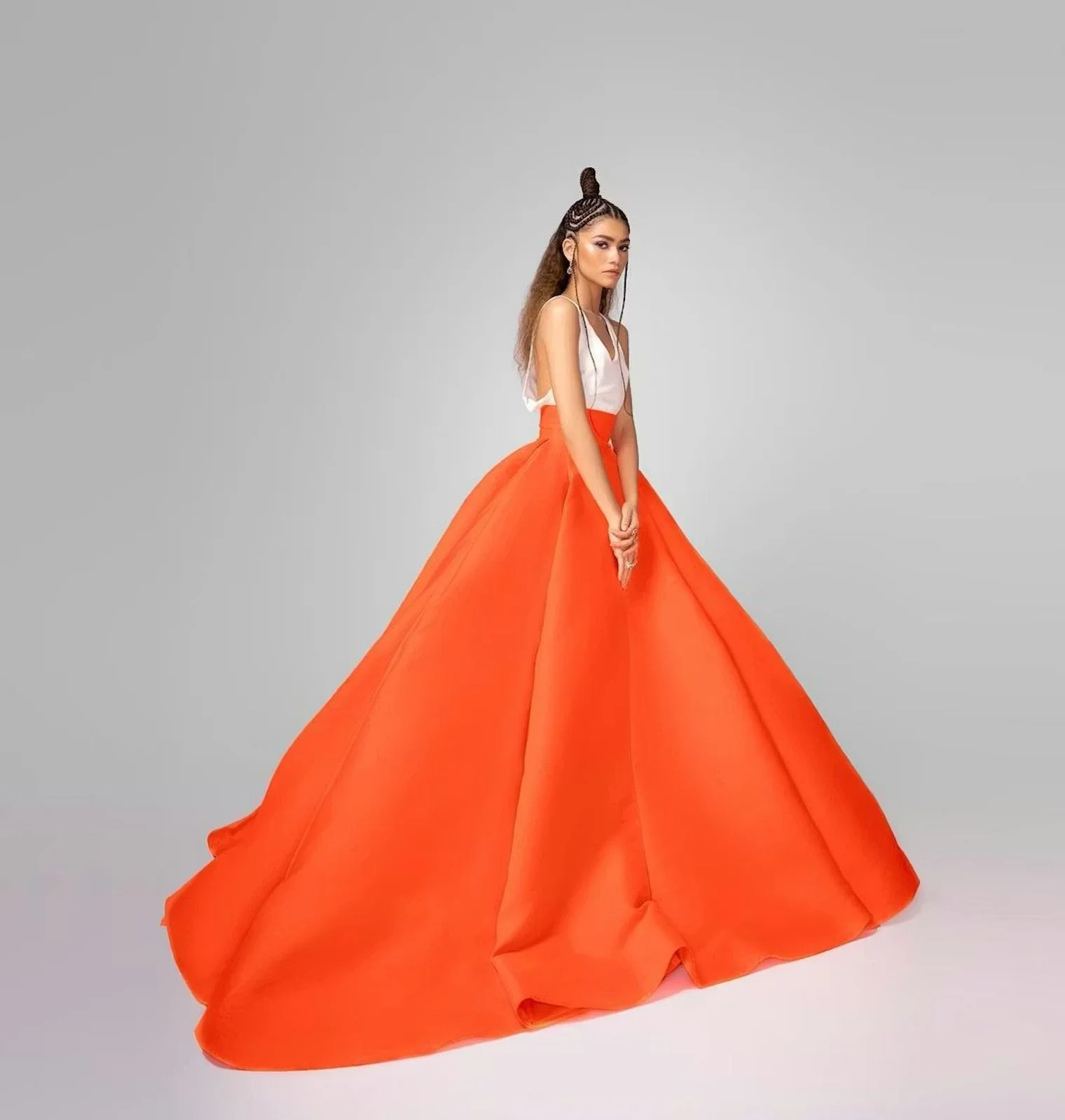
There was a time when Joseph looked at fashion as if it were a living cathedral.
Not because it was perfect.
Because it felt mythic.
The lore of fashion.
The history of fashion.
The art.
The creativity.
The feeling that a garment could hold a world inside it.
That was the seduction.
And like so many people who enter fashion through longing, he was taught to place brands and people on pedestals. To admire them from below. To tell himself that what they had built sat somewhere higher than he could reach.
But pedestal culture always asks the same violent question:
If they are the measure of value, then what are you?
And more importantly:
What have you achieved?
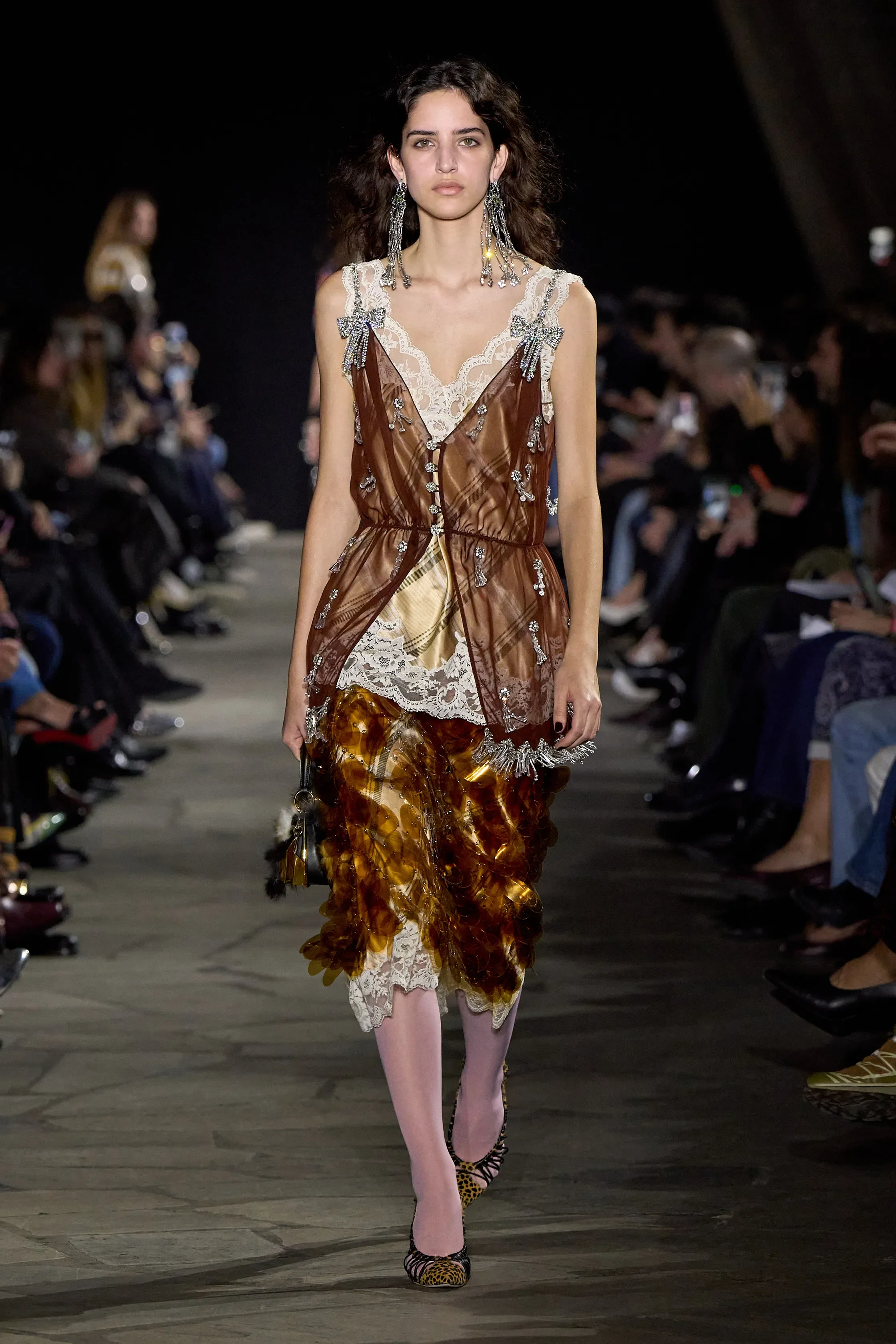
That question only survives where performance is mistaken for worth.
Joseph has grown enough now to know that nothing he does contributes to his value. Nothing he builds increases his worth. And once he understood sovereignty more clearly, he also began to understand fashion more honestly.
Fashion does not only reward vision.
It rewards performance.
It rewards proximity.
It rewards the ability to remain legible inside its existing hierarchy.
And when an industry becomes too committed to performance, it begins rejecting the kinds of thought leadership that ask it to evolve.
That is what I have watched happen.
Fashion did not simply become commercial.
It became performative.
The performance now sits everywhere.
It sits in the way visibility is distributed.
It sits in the way emerging designers are invited into spaces that appear inclusive while their narratives are diluted beside dozens of others.
It sits in the way individuality is praised rhetorically and flattened practically.
It sits in the way legacy institutions speak the language of culture while growing increasingly afraid of leading it.
This is where Joseph’s growth matters.
There was a time when he still wanted to be seen by fashion as if its recognition could confirm the depth he already knew was there. Now he sees the problem more clearly:
Fashion was never lacking in depth.
The people living inside its dominant narrative were.
That is the fracture.
Because fashion itself has always had depth.
Fashion has always been art.
Fashion has always been a language of selfhood, contradiction, desire, history, class, revolt, memory, and becoming.

What has thinned is not fashion.
What has thinned is the industry’s ability to hold fashion as art without reducing it to performance, product, trend, access, or commentary.
That is why Joseph now asks the question differently:
When did fashion stop being art?
When did pop culture become the main event?
And if thought leadership is removed from fashion, is it still art at all?
This is where Vogue enters the conversation.
There was a time when Vogue held a different kind of power.
Not only because it set rules.
Not only because it dictated aspiration.
But because it still felt tethered to a larger conversation about world culture, creativity, image, and authorship.
Joseph does not miss the old tyranny of fashion rules. He does not miss a world where a publication could decide what was elegant, acceptable, desirable, and real. But he does remember when the institution felt like it understood that fashion was part of culture, not simply adjacent to celebrity.
And now he has watched that center erode.
What was once a fashion bible has become, too often, pop-cultural commentary draped in editorial language, product roundups, and personalityless coverage chasing the shape of relevance rather than defining it. The institution evolved, yes. But too often it evolved in service of the same audience, the same proximity, the same hierarchy of recognition.
And that is the deeper disappointment.
Not that legacy media changed.
Everything changes.
It is that so much of that change feels adaptive rather than evolutionary.
There is a difference.
Adaptation responds to pressure.
Evolution creates a new standard.
Much of fashion right now feels like adaptation to perceived perception. Adaptation to metrics. Adaptation to platform behavior. Adaptation to what the industry believes people want.
But culture cannot evolve if the institutions shaping it are no longer willing to lead.
Culture cannot evolve if it is always being interpreted through fear of losing relevance.
Culture cannot evolve if visibility keeps replacing vision.
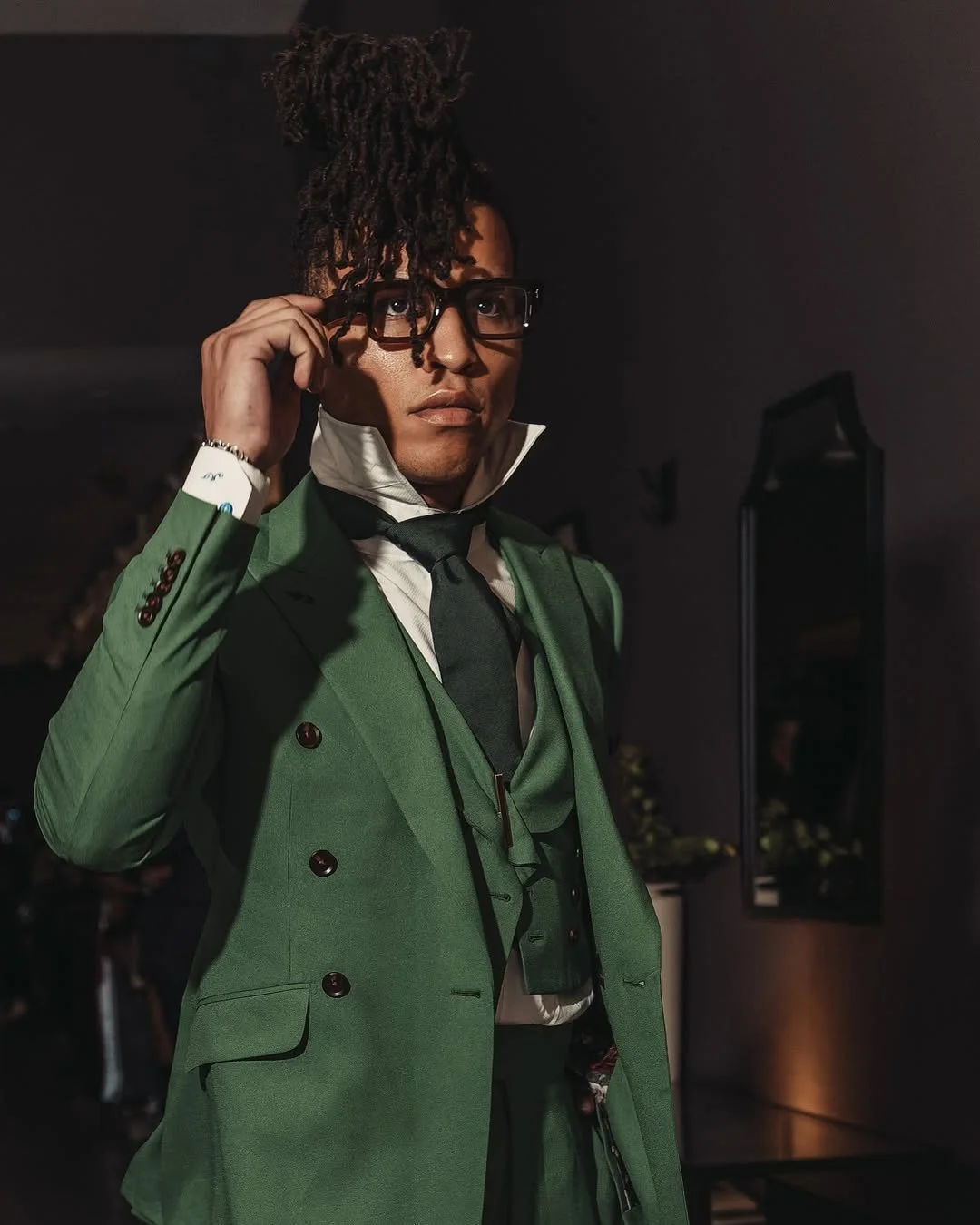
That is why Joseph keeps returning to emerging designers.
Because the most honest work in fashion often no longer lives at the center.
It lives in the margins.
In online communities.
In brands built from lived experience.
In a designer's challenging perspective instead of begging to be admitted into it.
Emerging designers are doing something legacy brands often no longer know how to do:
They are building long-form narrative through collections.
They are inviting people into lived experience.
They are creating immersive environments around their vision.
They are speaking first to the people who already understand the narrative before entering it.
That is one of the most powerful things Joseph has learned:
the best stories are often made for the people who already know how to feel them.
That is what many emerging designers are doing now. And that is why their communities are real. They are not only selling garments. They are creating recognition.
But the industry still has a way of offering these designers the appearance of support without the transfer of real authority.
It says it wants inclusivity.
It says it wants new voices.
It says it wants emerging brands to take the space they deserve.
But what does that support actually look like?
Too often, it looks like designers being placed in collective formats where their individual narrative is softened by the architecture around them. It looks like access without distinction. It looks like motion without authorship. It looks like an invitation into visibility that does not necessarily produce clarity, authority, or lasting recognition.
A stage is not the same thing as position.
A showcase is not the same thing as being seen clearly.
And access is not the same thing as narrative power.
That is why the language of inclusivity has started to feel false.
Not because new people are not entering fashion.
They are.
But because entry is not the same thing as centering.
And representation is not the same thing as power.
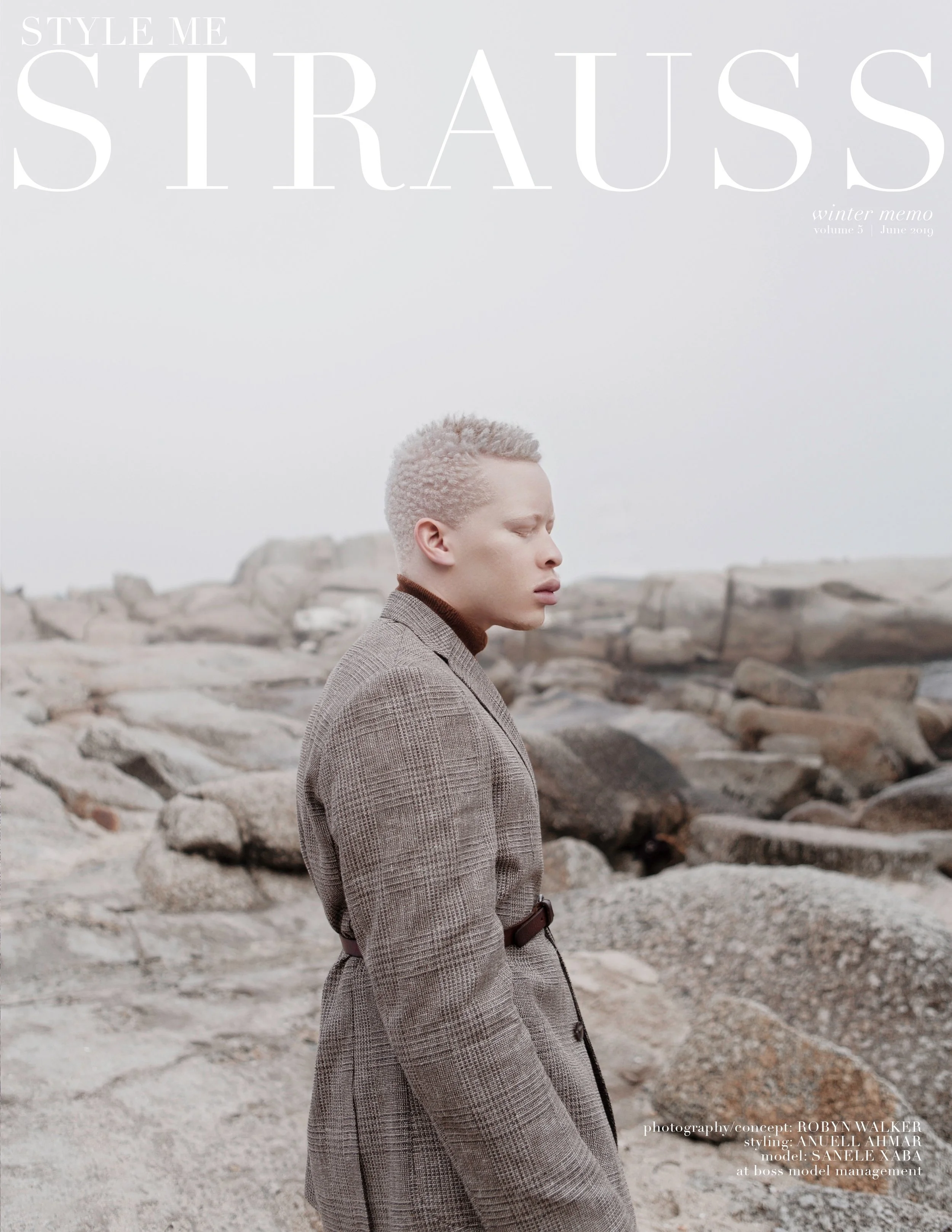
Joseph knows this in his body.
He knows what it means to love magazines and never see himself reflected there. To understand from an early age that his voice was not the assumed audience. That his perspective was not the default perspective. That being Black and gay in relation to fashion often meant being visible as influence but invisible as interiority.
There has never been a mainstream fashion magazine that felt built for the full complexity of what he is.
And that absence teaches.
It teaches who is considered universal and who is treated as niche.
It teaches whose taste becomes institutional and whose remains coded as subcultural.
It teaches that fashion can consume the image of difference while still refusing the intellectual authority of the people living inside it.
This is why LGBTQ luxury fashion and gender-neutral brands matter so deeply right now.
Not because they are trendy.
Because they are building what the center still struggles to hold.
These brands are surviving not because the old institutions made room for them, but because they built community. They built intimacy. They built environments, even small ones, where people could interact with the clothes, the feeling, and the world around the brand. They built strong social ecosystems. They built belonging.
That is what legacy fashion still underestimates:
Community is not the consolation prize when institutional approval does not arrive.
Community is luxury.
And many of the brands most honestly shaping fashion now understand that before the institutions do.
That is also where Millennials and Gen Z enter this story.
The early 2000s understood something that still matters: fashion was expressive. It was wearable individualism. It was honesty made visible. It was not always wise, and it was certainly not always inclusive, but it still understood that style was a declaration.
What changed is that Millennials began rejecting the idea that performative culture should be the highest aspiration. Many began walking away from the belief that career is identity and that value is something earned only through service, exhaustion, or approval. Black Millennials especially have been rethinking wealth, community, and internal coherence in ways fashion has not fully absorbed.
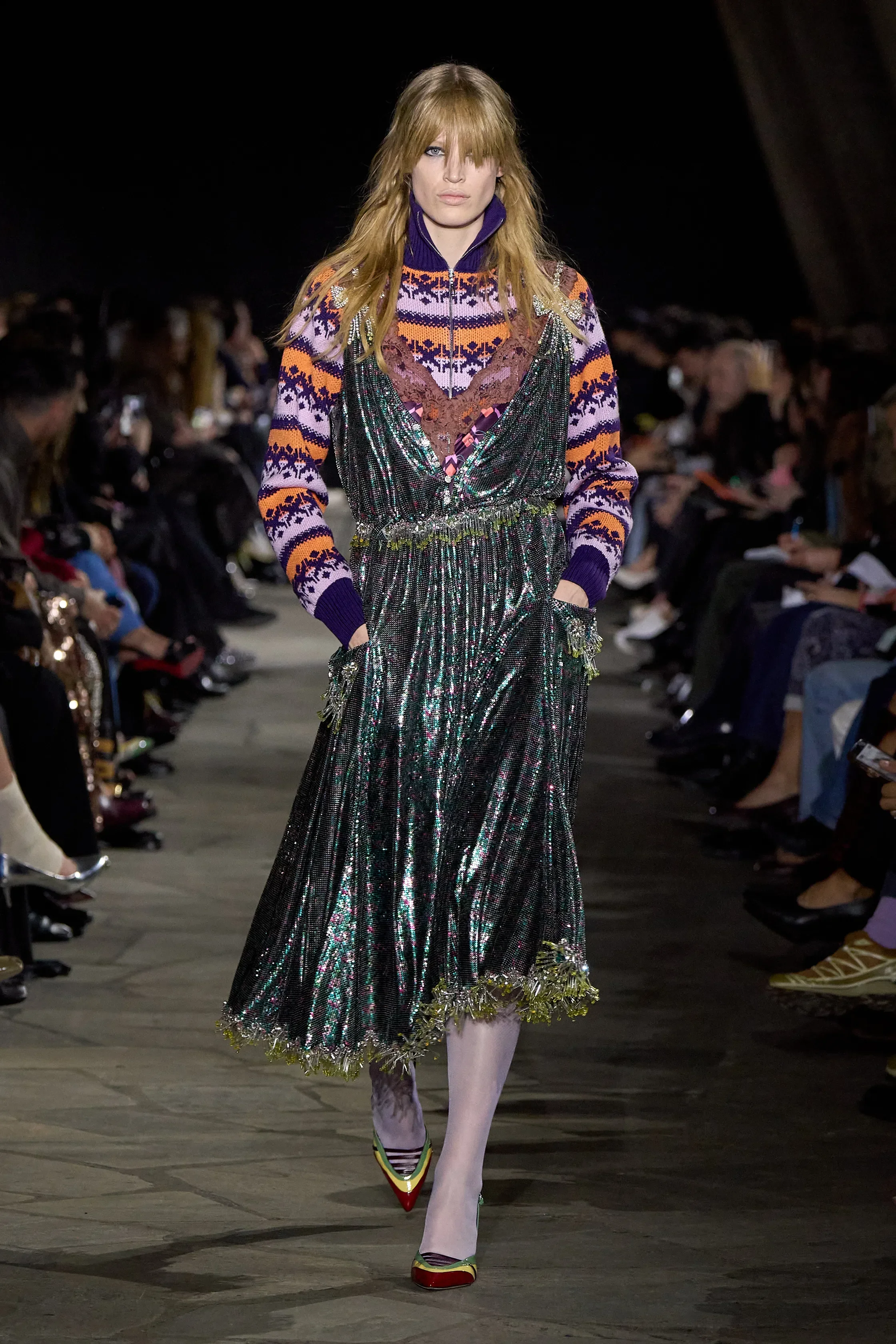
And Gen Z accelerated something else: participation.
They entered a world where culture was no longer consumed at a distance. It was shaped in public. Responded to in real time. Broken into fragments. Reassembled through community, irony, and personal image. That changed pop culture permanently.
The result is a world with more access and less mystique.
More participation and less center.
More visibility and less patience.
More self-broadcast and less authorship.
And fashion, instead of fully evolving through that change, has often chosen to adapt to it superficially.
That is the problem.
Because adaptation without vision leads to sameness.
Joseph keeps returning to that question too:
When did fashion become about sameness?
When did individuality lapse?
When did fashion start conforming in the very moment it claimed to be opening up?
That contradiction is now everywhere.
The industry says it wants boldness, but rewards familiarity.
It says it wants emerging designers, but often only when they can be made legible to the same old gatekeepers.
It says it wants inclusion, but still withholds the kinds of recognition that allow different narratives to become central.
This is why the article cannot end in nostalgia.
The early 2000s were not better in every way.
They were more exclusionary.
More hierarchical.
More brutal in their own forms of silence and denial.
But they did understand something many institutions have forgotten:
How to hold a room.
How to build an image.
How to let fashion feel like culture instead of content.
The future cannot be a return to that past.
But neither can it be this endless adaptation to perceived appetite.
What comes next must be something harder and more honest.
A fashion industry willing to evolve rather than simply react.
A culture willing to center thought leadership again.
A media landscape willing to treat fashion as art, not just commentary.
An ecosystem where emerging designers are not merely included, but clarified, protected, and allowed to become referential on their own terms.
That is the standard.
The world only changes when perception changes.
And perhaps that is the deepest realization Joseph has had:
Fashion does not need more noise.
It needs a new way of seeing.
With resonance,
Prophecy Brand
REVELATION. RESONANCE. LEGACY.
WHEN AN INDUSTRY KEEPS ADAPTING TO WHAT IT THINKS PEOPLE WANT, WHO IS STILL BRAVE ENOUGH TO IMAGINE WHAT CULTURE COULD BECOME INSTEAD?

Discover Prophecy Brand, a realm where luxury fashion intertwines seamlessly with profound spirituality. More than a brand, we are a creative powerhouse propelling groundbreaking marketing and publicity campaigns. Immerse yourself in our meticulously curated content, a harmonious blend of timeless elegance and narratives that resonate deeply. Embark on a journey with us towards the fashion future.